
A well-designed aquarium is more than just fish and water—it's a living piece of art. One of the most transformative yet often overlooked elements in aquarium design is the background. A properly applied aquarium background doesn’t just hide cords, filters, and unsightly tank edges; it creates depth, enhances colors, and immerses viewers in a seamless underwater world. Whether you’re setting up a new tank or refreshing an existing one, choosing and installing the right background can dramatically elevate your aquatic display.
This comprehensive guide walks through every stage of selecting, preparing, and applying an aquarium background with precision. From material options to installation techniques, you’ll learn how to achieve a professional-grade finish that complements your aquascape and brings out the best in your fish and plants.
Why Use an Aquarium Background?
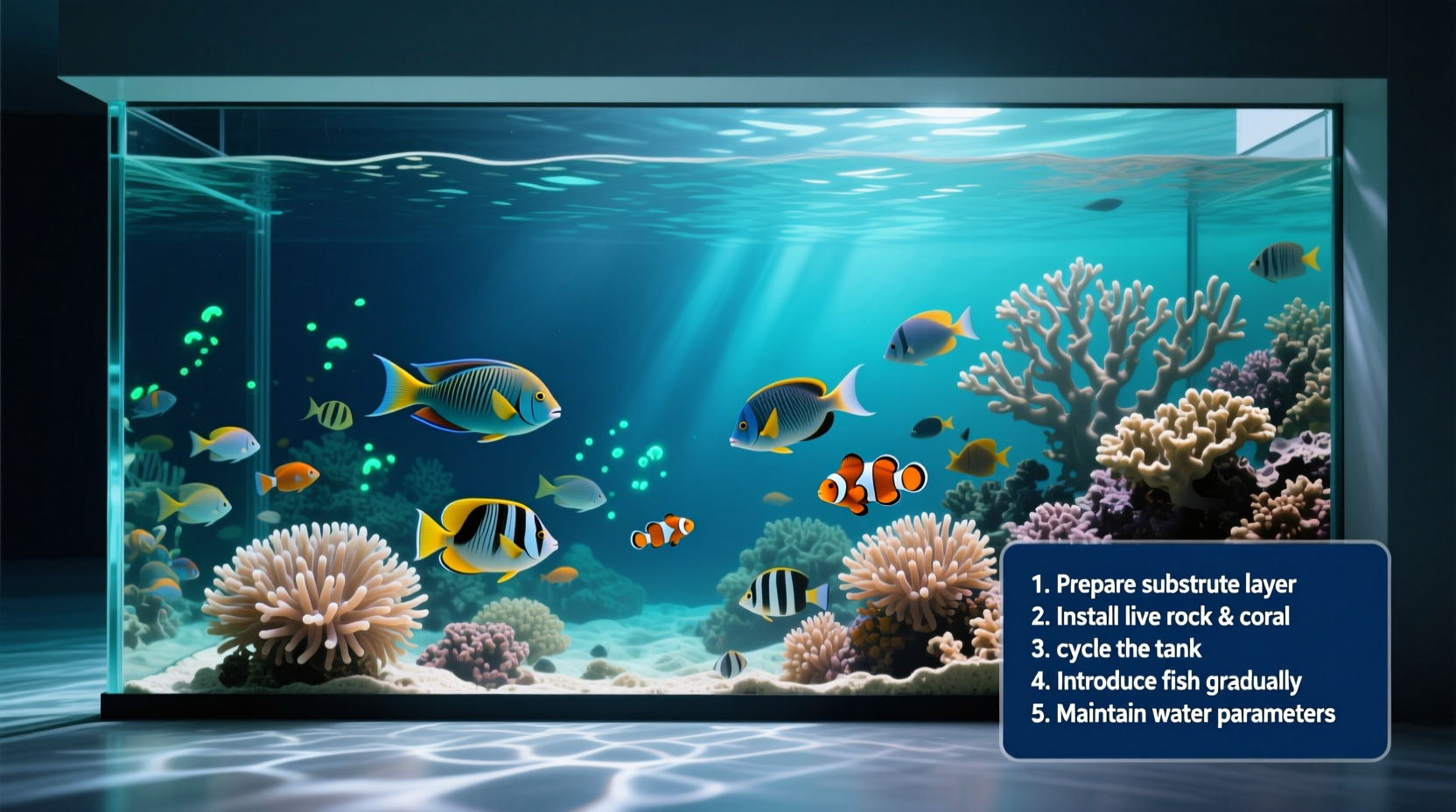
An aquarium background serves both aesthetic and functional purposes. Without one, the back wall of your tank often reflects room lighting, exposes equipment, and breaks the illusion of a natural habitat. A background eliminates visual distractions and frames your underwater scene like a picture frame does for a painting.
- Enhances visual depth: Mimics distant reefs, forests, or open water, making the tank appear larger.
- Hides equipment: Covers filter tubes, heaters, and cords without obstructing maintenance access.
- Reduces fish stress: Some species feel more secure when they aren’t exposed to movement behind the tank.
- Improves color contrast: Darker backgrounds make bright fish and green plants pop.
Types of Aquarium Backgrounds: Choosing the Right One
Not all backgrounds are created equal. The best choice depends on your tank setup, desired theme, and whether you plan to install it inside or outside the tank.
| Type | Pros | Cons | Best For |
|---|---|---|---|
| Foam Backing Panels | Durable, insulating, easy to cut | Limited designs, may degrade over time | Planted tanks, cold rooms |
| Vinyl/Waterproof Paper | Inexpensive, wide variety of prints (reefs, forests) | Can bubble if not applied correctly | Beginners, themed displays |
| 3D Resin or Foam Panels | Realistic texture, adds dimension | Harder to clean, may trap debris | Show tanks, biotope setups |
| DIY Painted Backdrops | Customizable, artistic control | Requires skill, not waterproof unless sealed | Experienced hobbyists |
| Live Plant Walls (Moss or Carpet) | Natural look, improves water quality | High maintenance, needs light and CO₂ | Advanced planted tanks |
“An effective background isn’t just decoration—it’s part of the ecosystem’s psychological environment. Fish behave more naturally when their space feels enclosed.” — Dr. Lena Patel, Aquatic Behavioral Scientist
Step-by-Step Guide to Applying an Aquarium Background
Follow this sequence carefully to ensure a smooth, bubble-free, long-lasting application. While the process varies slightly depending on the material, these steps apply universally to most standard backgrounds.
- Measure Your Tank Accurately
Use a tape measure to record the height and width of the outside back panel of your aquarium. Add 1–2 inches to each dimension to allow for trimming and alignment adjustments. - Clean the Glass Thoroughly
Wipe the exterior back glass with a lint-free cloth and glass cleaner or vinegar solution. Any dust or grease will prevent adhesion and cause bubbles. - Cut the Background to Size
Lay the material flat and use a utility knife and straightedge to trim it precisely. Always cut on a protected surface and double-check measurements before cutting. - Test Dry Fit
Hold the background against the tank without adhesive. Adjust positioning so it’s level and centered. Mark any areas needing minor trims. - Apply Adhesive (If Required)
For non-adhesive vinyl or paper, use a spray mount adhesive designed for crafts. Apply in light, even coats to avoid drips. For self-adhesive foam panels, peel slowly while aligning. - Mount the Background Smoothly
Start at the top center and work downward, smoothing outward with a credit card or squeegee to push out air pockets. Work slowly to avoid wrinkles. - Seal Edges (Optional but Recommended)
Use clear silicone or double-sided tape along the top and sides to prevent peeling, especially in humid environments. - Allow to Cure Before Filling
If using liquid adhesive, wait at least 2–4 hours before adding water or placing the tank in its final location.
Mini Case Study: Transforming a Basic Freshwater Tank
Mark T., a hobbyist in Portland, had a 55-gallon freshwater community tank that looked flat and uninviting despite healthy plants and active fish. Equipment was visible from behind, and the white wall behind the tank created glare. He chose a high-resolution vinyl “Amazon Riverbank” background in dark green and brown tones.
After measuring and cleaning, he applied the background using spray adhesive. He started at the top, smoothed downward with a plastic card, and sealed the edges with clear tape. Once installed, the difference was immediate: the tank appeared deeper, the neon tetras stood out vividly, and the external clutter vanished. His wife remarked, “It finally looks like a real river instead of a fish bowl.”
The entire project took under an hour and cost less than $25. Mark now recommends backgrounds to every new aquarium owner he meets.
Checklist: Preparing and Installing Your Aquarium Background
- ☐ Measure tank dimensions (height and width)
- ☐ Choose appropriate background type (vinyl, foam, 3D, etc.)
- ☐ Clean exterior glass with vinegar or glass cleaner
- ☐ Cut background 1–2 inches larger than tank size
- ☐ Perform dry fit to check alignment
- ☐ Apply adhesive evenly (if required)
- ☐ Mount from top to bottom, smoothing as you go
- ☐ Remove air bubbles with a squeegee or credit card
- ☐ Seal edges with tape or silicone (optional)
- ☐ Wait 2–4 hours before filling or moving tank
Frequently Asked Questions
Can I apply a background to a filled aquarium?
Yes, but only on the outside. Never attempt to install a background inside a filled tank unless it’s specifically designed for submersion. Exterior application is safe and effective as long as the glass is clean and dry.
Will a background affect water temperature?
Insulating materials like foam backing can reduce heat loss by 5–10%, which may help stabilize temperatures in cooler rooms. However, this effect is minor and should not replace proper heater use.
How do I remove an old or damaged background?
Peel slowly from one corner. For residue, use a plastic scraper and isopropyl alcohol. Avoid metal tools that could scratch glass. If paint was used, removal may require careful sanding or professional help.
Final Tips for a Polished Look
Once your background is installed, take a few extra steps to maximize its impact. Position the tank away from direct sunlight to prevent fading. Use a hood or canopy to block overhead light spill, which can wash out the background. Consider LED lighting with adjustable color temperatures to enhance the backdrop’s mood—cool blues for ocean scenes, warm whites for river themes.
Also, keep the area behind the tank tidy. Even with a great background, visible power strips or tangled cords undermine the illusion. Use cord organizers or a cabinet to maintain a clean silhouette.
Conclusion: Bring Your Underwater Vision to Life
An aquarium background is a simple upgrade with an outsized impact. It turns a standard fish tank into a captivating underwater window, enhancing both the visual appeal and behavioral well-being of your aquatic inhabitants. With the right materials, precise measurement, and careful installation, you can achieve a display that looks professionally crafted.




 浙公网安备
33010002000092号
浙公网安备
33010002000092号 浙B2-20120091-4
Comments
No comments yet. Why don't you start the discussion?