
Obtaining a handicap parking tag—also known as a disabled parking permit—can significantly improve mobility and quality of life for individuals with qualifying disabilities. Whether temporary or permanent, these tags grant access to closer parking spaces, reduced walking distances, and sometimes fee exemptions in metered zones. However, the application process varies by state and can be confusing without clear guidance. This comprehensive guide walks you through every stage, from determining eligibility to receiving your placard or license plate, ensuring you avoid common pitfalls and delays.
Understanding Eligibility Requirements
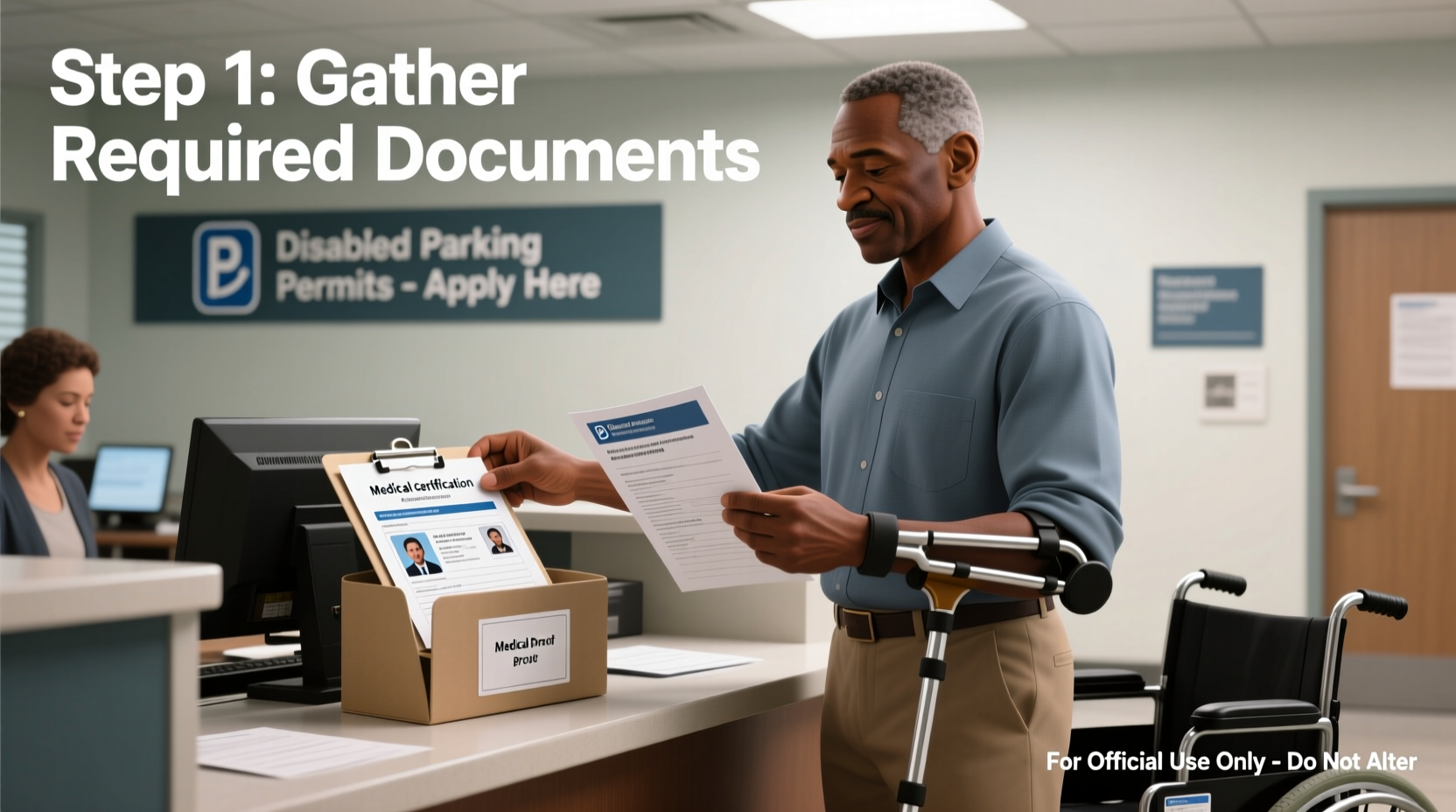
Eligibility for a handicap parking tag is determined by specific medical conditions that impair mobility. While criteria differ slightly between states, most follow guidelines established by the Americans with Disabilities Act (ADA). Common qualifying conditions include:
- Inability to walk 200 feet without stopping to rest
- Lung disease that limits breathing capacity
- Cardiovascular conditions classified as Class III or IV by the American Heart Association
- Arthritis that severely limits joint movement or causes pain when walking
- Legal blindness
- Use of assistive devices such as crutches, canes, wheelchairs, or walkers
- Lost use of one or both legs
Temporary disabilities—such as post-surgery recovery or broken limbs—may also qualify for short-term permits. These are typically valid for three to six months and cannot be renewed indefinitely.
“Many people don’t realize they qualify simply because their condition isn’t visibly apparent. Chronic pain and respiratory issues often meet eligibility standards.” — Dr. Linda Reyes, Rehabilitation Medicine Specialist
Types of Handicap Parking Permits
States generally offer two types of permits: placards and license plates. Understanding the difference helps you choose the right option.
| Type | Description | Validity | Best For |
|---|---|---|---|
| Permanent Placard | Hanging tag displayed from rearview mirror | 3–5 years (varies by state) | Individuals with long-term disabilities |
| Temporary Placard | Same format, shorter validity | 3–6 months | Recovery periods, short-term injuries |
| Permanent License Plate | Specially marked vehicle plate issued instead of standard plate | As long as vehicle registration is active | Primary personal vehicles used by disabled person |
| Organization Placard | Issued to nonprofits transporting disabled individuals | Typically 4 years | Vans or shuttles serving multiple disabled passengers |
Step-by-Step Application Process
Navigating the application process doesn’t have to be overwhelming. Follow this clear sequence to ensure accuracy and timely approval.
- Determine your state’s issuing agency – Most applications go through the Department of Motor Vehicles (DMV) or equivalent transportation authority. Visit your state’s official DMV website to download the correct form.
- Download the proper application form – Look for forms labeled “Application for Persons with Disabilities Parking Placard and/or Plates.” Some states differentiate between permanent, temporary, and organizational permits.
- Complete patient information section – Provide your full legal name, address, date of birth, and driver’s license number. If applying on behalf of someone else, include your relationship and contact details.
- Obtain physician certification – A licensed medical professional (MD, DO, PA, NP, or podiatrist, depending on state rules) must verify your diagnosis and sign the form. They should document the nature of your disability and expected duration.
- Submit the application – Options vary: mail, in-person drop-off, or online upload. Some states allow digital submissions; others require original signatures.
- Wait for processing – Turnaround time ranges from 7 to 21 business days. Expedited processing may be available for urgent cases.
- Receive and display your permit – Once approved, hang the placard from your rearview mirror when parked in designated spots. Keep it out of sight while driving.
Avoiding Common Mistakes
Mistakes during the application process are a leading cause of denial or delay. Be mindful of the following:
- Using outdated forms – Always download the current version from your state’s official DMV site. Old forms may not be accepted.
- Missing medical signature – The certifying physician must sign and date the form. Unsigned or improperly licensed providers invalidate the application.
- Failing to renew on time – Permanent placards expire. Set a calendar reminder 60 days before expiration to start renewal.
- Misusing the placard – Using a permit when the disabled individual is not present violates the law and can result in fines up to $1,000 in some states.
Real-Life Example: Maria’s Recovery Journey
Maria, a 58-year-old teacher from Oregon, fractured her femur in a hiking accident. Her orthopedic surgeon recommended limited weight-bearing activity for four months. She applied for a temporary placard using Form VP-132G from the Oregon DMV website. Her doctor completed the medical section during a follow-up visit. Maria submitted the form by mail and received her red temporary placard within nine days. It allowed her to park close to her classroom entrance during recovery, reducing strain and preventing setbacks. When the placard expired, she returned it to the DMV as required.
Renewal and Replacement Procedures
Permanent placards typically require renewal every few years. Many states send reminders, but not all do. Check your expiration date and prepare documentation in advance.
To renew:
- Reapply using the same form
- Provide updated physician certification if required
- Some states allow automatic renewal for permanent disabilities with no change in status
If your placard is lost or stolen:
- Report it immediately to your local DMV
- File an affidavit of loss (Form varies by state)
- Request a replacement—usually processed within 10 business days
Frequently Asked Questions
Can I use my handicap placard in other states?
Yes. All U.S. states and Canadian provinces recognize legally issued disability parking permits under the ADA reciprocity agreement. However, always follow local parking rules and time restrictions.
Do I need to pay for the placard?
No. Most states issue permanent and temporary placards free of charge. There may be fees for specialty license plates, but standard placards are typically no-cost.
What happens if I’m caught misusing a handicap parking tag?
Penalties vary by state but commonly include fines ($250–$1,000), community service, and possible suspension of driving privileges. In severe cases, criminal charges may apply.
Final Checklist Before You Apply
- ☐ Confirm your medical condition meets eligibility criteria
- ☐ Download the correct, up-to-date form from your state’s DMV website
- ☐ Fill out personal information completely and legibly
- ☐ Schedule appointment with a qualified healthcare provider for certification
- ☐ Submit application via approved method (mail, online, or in person)
- ☐ Track processing time and follow up if needed
- ☐ Properly display placard only when the eligible individual is entering or exiting the vehicle
Take Action Today
Gaining access to a handicap parking tag is a straightforward process when you know the steps. Don’t let uncertainty or misinformation prevent you from securing greater independence and comfort. Whether you're managing a chronic condition or recovering from surgery, this permit is designed to support your mobility needs. Gather your documents, consult your physician, and submit your application with confidence. Your journey toward easier access starts now.




 浙公网安备
33010002000092号
浙公网安备
33010002000092号 浙B2-20120091-4
Comments
No comments yet. Why don't you start the discussion?