
In a small apartment, every square foot counts. Yet the desire for a peaceful retreat where you can lose yourself in a good book remains strong. A reading nook doesn’t require a spare room or major renovations. With thoughtful planning and strategic choices, even the tiniest space—a corner by a window, an alcove beside a closet, or under a loft bed—can transform into a sanctuary of calm and comfort. This guide walks you through creating a functional, inviting reading nook that fits seamlessly into compact urban living.
Assess Your Space and Identify Potential Zones
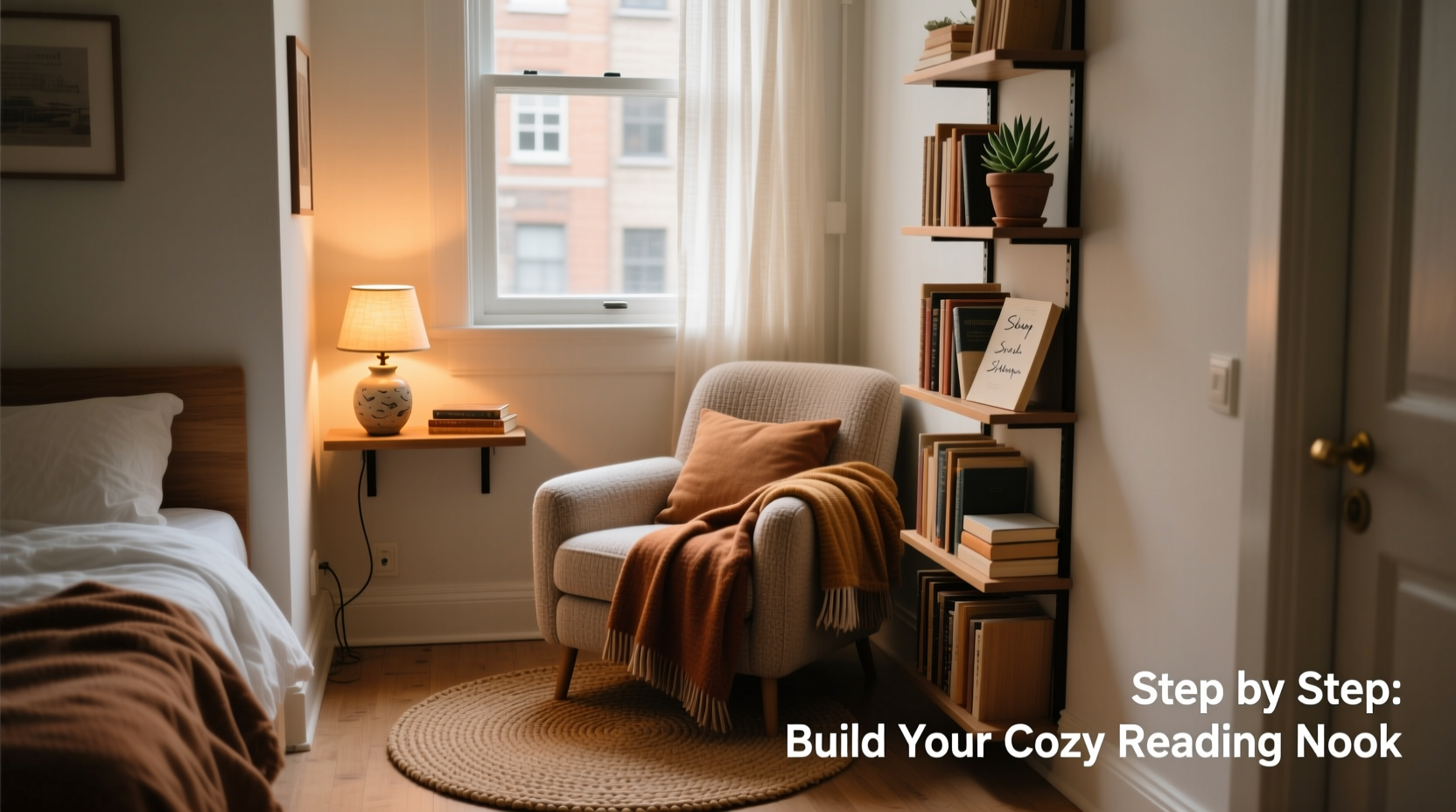
The first step is reconnaissance. Walk through your apartment and observe how light moves throughout the day, where noise levels are lowest, and which corners feel most secluded. The ideal reading nook balances natural light, minimal distractions, and physical comfort.
Look for overlooked areas: the wall beside your kitchen counter, the end of a hallway, or even a section of floor near a radiator (if safe). Even a closet converted into a mini-library seat can work. Measure each candidate zone carefully—note width, depth, and ceiling height—to determine what kind of seating and storage will fit.
Avoid high-traffic zones like entryways or narrow paths between rooms. The goal is immersion, not interruption. If your apartment has large windows, prioritize those spots—they offer daylight reading without extra lighting costs and create a connection to the outside world.
Select the Right Seating for Small Footprints
Comfort is non-negotiable, but so is space efficiency. In a tiny apartment, oversized armchairs eat up valuable floor area. Instead, consider compact yet supportive options:
- Window bench with cushion: Custom-built or modular, these use dead wall space and double as storage if designed with lift-up lids.
- Fold-down wall seat: A hinged wooden shelf that flips down when needed and folds away after use.
- Poufs or floor cushions: Lightweight, movable, and perfect for renters who need flexible layouts.
- Nesting ottomans: Serve as footrests, seats, or even low tables depending on need.
If ceiling height allows, consider going vertical. Loft beds often leave usable floor space underneath—ideal for a tucked-in chair and side table setup. For back support, ensure your chosen seat has adequate lumbar padding or pair it with a small, firm pillow.
“Ergonomics matter even in micro-spaces. A poorly supported posture turns reading from pleasure to pain.” — Lena Tran, Interior Designer & Small-Space Specialist
Optimize Lighting Without Overloading Outlets
Natural light is ideal during the day, but evenings demand artificial sources. In tight spaces, overhead lights often feel too harsh or too distant. Task lighting focused on the reading area improves both comfort and ambiance.
Wall-mounted swing-arm lamps are excellent—they adjust direction, save floor and table space, and eliminate glare. Plug-in models avoid hardwiring; battery-powered LED strips or clip-on reading lights work well for renters. Choose warm white bulbs (2700K–3000K) to mimic candlelight and reduce eye strain.
If outlets are scarce, opt for USB-rechargeable lamps or solar-charged lanterns placed near windows during the day. Smart bulbs controlled via app allow dimming without extra switches.
Maximize Storage and Minimize Clutter
A reading nook needs easy access to books, blankets, and perhaps a cup of tea—but clutter kills coziness. In small apartments, intelligent storage solutions keep essentials within reach while maintaining visual calm.
| Solution | Best For | Space-Saving Benefit |
|---|---|---|
| Wall-mounted floating shelves | Books, plants, decor | Uses vertical space; no floor footprint |
| Bench with hidden storage | Blankets, extra pillows, magazines | Doubles as seating and container |
| Hanging fabric pockets | E-readers, glasses, bookmarks | Attaches to chair back or wall; highly portable |
| Ladder shelf (narrow type) | Small book collection, display items | Takes up only 12–16 inches of floor width |
Limit visible items to a curated few—a stack of favorite novels, a ceramic mug, a folded throw. Rotate books seasonally to keep the space fresh without overcrowding. Avoid stacking paperbacks directly on the floor; use a slim bin or basket instead.
Create Atmosphere: Coziness Beyond Furniture
A truly cozy nook engages all senses. Visual warmth comes from color, texture, and personal touches. Tactile comfort includes soft fabrics and ergonomic support. Even scent and sound play roles.
Start with textiles: a chunky knit throw, a velvet cushion, or a wool rug define the zone acoustically and visually. These materials absorb sound, reducing echo in bare-walled studios. Choose colors that promote relaxation—deep blues, warm taupes, forest greens—rather than stark whites or bright reds.
Add greenery with a single trailing pothos or a low-light snake plant in a hanging planter. Plants improve air quality and soften hard edges. For scent, use a discreet essential oil diffuser or a naturally scented soy candle (never left unattended).
To manage noise in open-plan units, consider wireless earbuds playing gentle rain sounds or instrumental music. Alternatively, position your nook opposite the main door to create psychological separation from household activity.
“A nook should feel like a pause button in your day. It's not just about sitting—it's about stepping out of the rush.” — Rafael Singh, Urban Wellness Consultant
Mini Case Study: Clara’s Balcony Corner Transformation
Clara lives in a 450-square-foot studio in Chicago. Her only natural light came from a north-facing balcony door. Initially, she used the adjacent wall for storage bins, blocking the view. After reading about micro-nooks, she reimagined the corner.
She installed a custom-fit cushioned bench against the glass door frame, adding weather-resistant foam and a removable washable cover. Two wall-mounted shelves held her current reads and a small speaker. A magnetic clip-on LED light attached to a metal pole provided evening illumination.
The result? A sunlit perch where she reads for 30 minutes each morning. “It feels like I’m outside, even in winter,” she says. “And because it’s right by the door, I see it every time I come home—it invites me to sit.”
Step-by-Step Guide to Building Your Nook
- Week 1: Survey and Plan – Walk through your apartment, note quiet zones with natural light. Take measurements. Sketch a rough layout.
- Week 2: Source Core Furniture – Purchase or build your primary seat (e.g., fold-down bench, compact chair). Ensure delivery fits through doors and elevators.
- Week 3: Install Lighting and Power Solutions – Mount adjustable lamps or set up cord management for plug-ins. Test brightness at night.
- Week 4: Add Storage and Textiles – Install shelves or baskets. Introduce throw pillows, a blanket, and a rug to anchor the space.
- Week 5: Personalize and Refine – Add one plant, a piece of art, or a meaningful object. Sit there daily for a week and adjust based on comfort.
Essential Checklist Before You Begin
- ☐ Measure available space (width, depth, height)
- ☐ Confirm weight limits for wall-mounted items
- ☐ Choose a seating option that fits ergonomically
- ☐ Select lighting that minimizes glare on pages
- ☐ Plan for book and accessory storage
- ☐ Pick textiles in washable, durable fabrics
- ☐ Test the spot at different times of day for light and noise
- ☐ Keep a power strip or outlet extender nearby if needed
Frequently Asked Questions
Can I build a reading nook without drilling into walls?
Absolutely. Renters can use tension rods for curtains or hanging organizers, freestanding shelving units, and furniture-based lighting like clamp lamps. Adhesive hooks rated for lightweight items also help organize small tools like bookmarks or reading glasses.
What if my apartment gets too noisy for reading?
Noise-canceling headphones paired with ambient sound apps (like Rainy Mood or Brain.fm) can mask street or neighbor noise. Position your nook facing a quieter wall, and use thick rugs or heavy curtains to dampen echoes. Even a tall indoor plant acts as a subtle sound buffer.
How do I keep the nook from becoming a dumping ground?
Assign clear boundaries. Define the nook’s purpose verbally—even to yourself (“This is for reading only”). Clean it weekly. Remove anything unrelated immediately. If space allows, place a small tray inside the nook to hold only reading essentials, preventing random items from accumulating.
Final Thoughts: Make Space for Stillness
A reading nook in a tiny apartment isn’t a luxury reserved for spacious homes. It’s a deliberate act of self-care in an environment that often prioritizes utility over tranquility. By thoughtfully combining function and atmosphere, you carve out more than physical space—you reclaim time, attention, and peace.
Start small. Use what you have. Adapt as your needs change. The perfect nook isn’t found—it’s built, one intentional choice at a time. Whether it’s ten minutes with poetry before bed or a weekend novel escape, this little corner becomes a refuge that enriches your entire living experience.




 浙公网安备
33010002000092号
浙公网安备
33010002000092号 浙B2-20120091-4
Comments
No comments yet. Why don't you start the discussion?