
Succulents have earned their reputation as some of the most resilient and stylish houseplants available. With their sculptural forms, diverse textures, and minimal care needs, they’re ideal for busy lifestyles, novice gardeners, or anyone seeking greenery without constant upkeep. But even low-maintenance gardens require thoughtful planning to thrive long-term. A poorly constructed succulent arrangement may start strong but quickly deteriorate from overwatering, poor drainage, or incompatible plant choices.
This guide walks you through every stage of creating a durable, attractive succulent garden that demands little attention while delivering lasting visual impact. From selecting the right container to establishing a sustainable care routine, each decision shapes the longevity of your planting. Whether you're designing a small desktop display or a large outdoor planter, these steps ensure your garden remains vibrant with minimal intervention.
1. Choose the Right Container with Proper Drainage
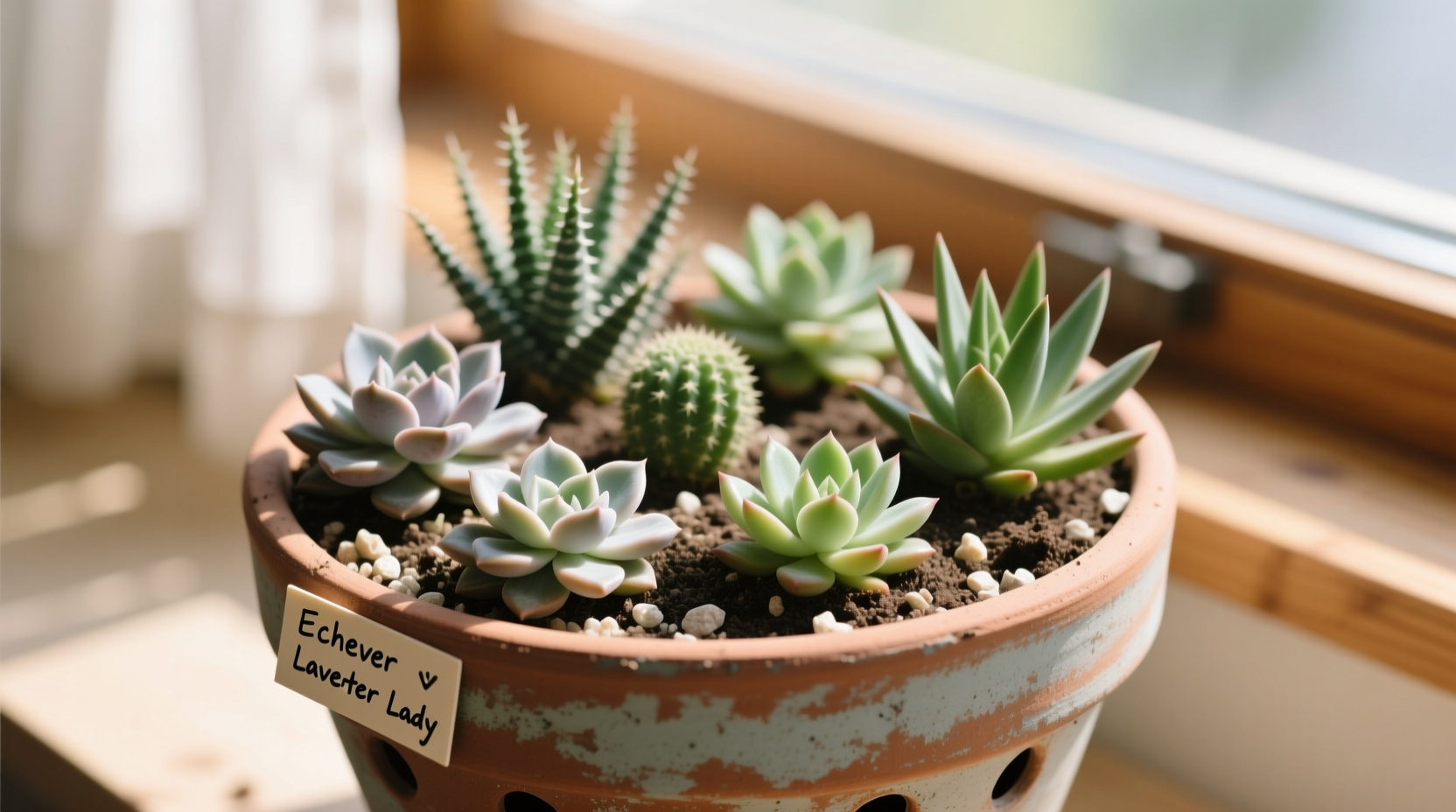
The foundation of any successful succulent garden lies in its container. Unlike many other houseplants, succulents are highly sensitive to excess moisture. Their roots can rot within days if left sitting in damp soil. Therefore, the container must allow water to escape freely.
Opt for pots made of porous materials like terracotta or unglazed ceramic. These materials wick away moisture from the soil, helping it dry faster between waterings. Avoid glass containers (such as mason jars or apothecary-style vessels) unless they have drilled drainage holes—otherwise, they trap humidity and promote root rot.
Size also matters. A container that’s too large holds more soil than necessary, increasing the risk of overwatering. For a compact indoor arrangement, an 8–12 inch wide pot is sufficient. Larger outdoor planters can accommodate more plants but still require adequate drainage.
2. Use the Correct Soil Mix for Optimal Drainage
Standard potting soil retains too much moisture for succulents. Even with excellent drainage, regular soil can stay wet long enough to damage delicate roots. Instead, use a gritty, fast-draining mix specifically formulated for cacti and succulents.
You can purchase pre-mixed succulent soil from most garden centers, but making your own blend offers better control over texture and composition. A reliable DIY mix includes:
- 2 parts coarse sand or perlite
- 1 part potting soil
- 1 part pumice or crushed granite
This combination ensures rapid drainage while providing just enough structure for root anchoring. Avoid using garden soil, which compacts easily and may harbor pests or fungi.
“Succulents don’t grow in rich, moist earth in the wild—they thrive in rocky, arid conditions. Mimic that environment, and they’ll reward you with steady growth.” — Dr. Lila Nguyen, Horticulturist at Desert Botanical Research Center
3. Select Compatible Succulent Varieties
Not all succulents share the same care requirements. Some prefer full sun and infrequent watering, while others tolerate shade and slightly more moisture. Mixing incompatible types leads to uneven growth and eventual plant loss.
When designing a shared container, group species with similar light and water needs. Stick primarily to those labeled as “hardy” or “drought-tolerant.” Below is a comparison of popular low-maintenance succulents suitable for mixed plantings:
| Plant Name | Light Needs | Water Frequency | Special Notes |
|---|---|---|---|
| Echeveria | Bright, direct light | Every 2–3 weeks | Rosette-forming; avoid wetting leaves |
| Sedum (Stonecrop) | Full sun to partial shade | Every 3 weeks | Trailing varieties great for edges |
| Haworthia | Indirect bright light | Every 3–4 weeks | Tolerates lower light; zebra-like patterns |
| Crassula ovata (Jade Plant) | Direct sunlight | Every 2–3 weeks | Tree-like form; very long-lived |
| Sempervivum (Hens & Chicks) | Full sun | Every 3 weeks | Cold-hardy; spreads readily |
Avoid including tropical succulents like Kalanchoe or Peperomia in outdoor or high-sun arrangements—they often struggle under intense conditions.
4. Step-by-Step Guide to Assembling Your Garden
With materials gathered, follow this logical sequence to build a stable, visually balanced succulent garden:
- Prepare the container: Clean the pot thoroughly with mild soap and water. If reusing an old container, disinfect it with a 10% bleach solution to eliminate pathogens.
- Add drainage material: Place a 1-inch layer of gravel, broken pottery, or pumice at the bottom. This prevents soil from clogging the drainage hole.
- Fill with soil: Add your succulent mix, leaving about 1–2 inches of space below the rim for watering clearance.
- Arrange plants: Position each succulent in its desired spot before planting. Start with the largest or most central plant, then work outward. Allow at least 2–3 inches between specimens to accommodate growth.
- Plant carefully: Dig shallow holes and place each succulent so the base of the stem sits level with the soil surface. Do not bury the rosettes.
- Backfill and settle: Gently firm the soil around each plant. Avoid pressing too hard—succulent roots need loose, aerated media.
- Add top dressing (optional): A thin layer of decorative gravel, lava rock, or sand enhances appearance and reduces moisture evaporation from the soil surface.
- Wait before watering: Let the plants sit unplanted for 3–5 days to allow any root damage from handling to callous over. This reduces rot risk when first watered.
5. Establish a Sustainable Care Routine
Once assembled, your succulent garden requires only occasional attention—but consistency is key. The biggest threat to longevity isn’t neglect, but overcare. Many well-intentioned gardeners kill succulents by watering too frequently or moving them too often.
Follow these principles for long-term success:
- Water deeply but infrequently: Soak the soil completely, then allow it to dry out entirely before watering again. In most indoor environments, this means every 2–4 weeks depending on temperature and humidity.
- Observe plant cues: Wrinkled or soft leaves indicate thirst. Mushy, yellowing foliage suggests overwatering.
- Provide consistent light: Most succulents need at least 4–6 hours of bright light daily. South-facing windows are ideal indoors. Rotate the pot occasionally for even growth.
- Fertilize sparingly: Apply a diluted, balanced fertilizer (10-10-10) once in spring and once in early summer. Never fertilize during dormancy or in winter.
- Prune selectively: Remove dead leaves or leggy growth with clean scissors. Propagate cuttings to expand your collection.
“The best succulent gardens aren’t high-maintenance—they’re thoughtfully designed. When the environment matches the plant’s natural habits, care becomes almost effortless.” — Marcus Reed, Landscape Designer & Xeriscaping Specialist
Mini Case Study: Reviving a Neglected Office Display
A marketing firm in Phoenix installed a large succulent centerpiece in their lobby. Within months, several plants turned mushy and collapsed. An assessment revealed the issue: staff had been misting the garden daily, believing it helped hydration. In reality, the fine spray kept leaves wet and encouraged fungal growth.
A horticulturist replaced damaged plants, repotted them in fresh, gritty soil, and trained the team on proper care. They implemented a monthly watering schedule and placed the garden near a skylight for maximum daylight. Eighteen months later, the display remains lush and self-sustaining, requiring only quarterly check-ins.
Checklist: Building Your Low-Maintenance Succulent Garden
Use this checklist to ensure no critical step is missed:
- ☐ Choose a container with drainage holes
- ☐ Select porous material (e.g., terracotta)
- ☐ Prepare fast-draining succulent soil mix
- ☐ Pick compatible plant varieties with similar needs
- ☐ Arrange plants aesthetically before planting
- ☐ Use clean tools and sanitized containers
- ☐ Allow healing time before first watering
- ☐ Place in bright, consistent light
- ☐ Set a seasonal watering schedule
- ☐ Monitor for signs of stress or pests
FAQ
Can I grow succulents outdoors year-round?
In USDA zones 9–11, many succulents like Sedum, Sempervivum, and Agave can remain outdoors permanently. In colder climates, bring tender varieties indoors before frost. Use cold-hardy types such as ‘Ice Plant’ (Delosperma) for seasonal ground cover.
Why are my succulent leaves falling off?
Sudden leaf drop is often caused by overwatering or physical disturbance. Some shedding is normal as older leaves die to make way for new growth. However, widespread detachment, especially with mushy stems, indicates root rot. Stop watering immediately and inspect roots for blackened areas.
How do I know when to repot my succulent garden?
Repot every 2–3 years, or when you notice roots growing through the drainage hole, stunted growth, or soil breaking down into sludge. Spring is the best time, as plants enter active growth and recover faster.
Conclusion: Create Beauty That Lasts with Minimal Effort
A low-maintenance succulent garden isn’t built by accident—it’s the result of smart design, informed plant selection, and disciplined care habits. By focusing on drainage, compatibility, and environmental alignment, you create a living display that thrives on simplicity.
These resilient plants offer more than aesthetic appeal; they teach patience, observation, and respect for natural rhythms. Once established, your garden will demand little more than occasional attention, freeing you to enjoy its evolving beauty without constant upkeep.




 浙公网安备
33010002000092号
浙公网安备
33010002000092号 浙B2-20120091-4
Comments
No comments yet. Why don't you start the discussion?