
Every year, over 120 billion units of personal care packaging are produced globally, most ending up in landfills or oceans. The average bathroom is filled with single-use plastics: shampoo bottles, toothpaste tubes, disposable razors, and cotton pads. Transitioning to a zero waste bathroom isn’t about perfection—it’s about progress. By rethinking what you use and how you use it, you can drastically reduce your environmental footprint while often saving money and simplifying your daily routine.
This guide walks through a realistic, step-by-step approach to transforming your bathroom into a sustainable space. From assessing current habits to sourcing durable alternatives and maintaining them long-term, each phase is designed to be accessible, affordable, and effective.
Step 1: Audit Your Current Bathroom Products
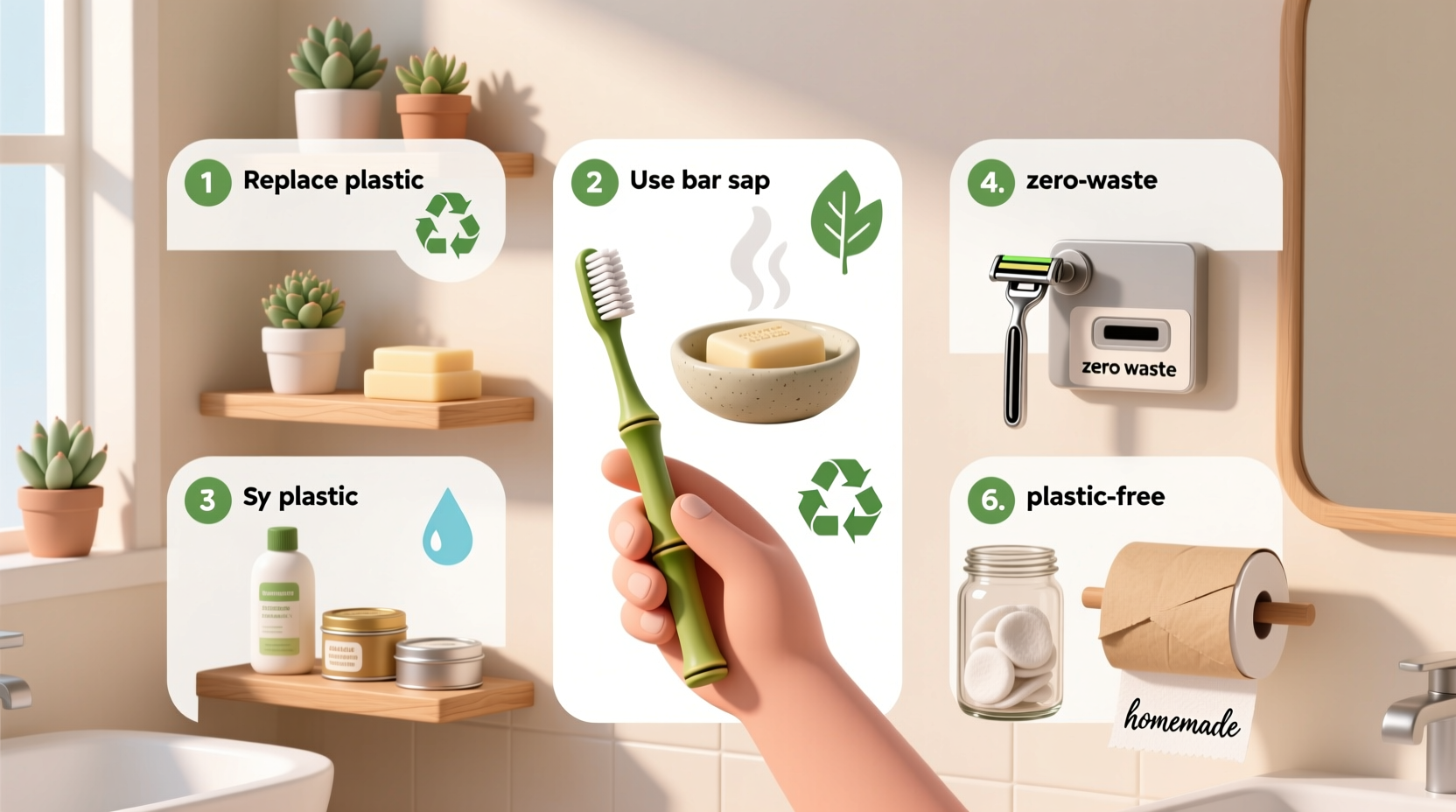
The first step in any zero waste journey is awareness. Before making changes, take inventory of everything in your bathroom. Open cabinets, check under the sink, and list every product you use regularly—shampoo, conditioner, body wash, toothpaste, deodorant, face cleanser, makeup remover, tissues, cotton swabs, and more.
For each item, ask three questions:
- Is this packaged in plastic?
- How frequently do I replace it?
- Can it be replaced with a reusable, refillable, or package-free alternative?
Categorize items into “Replace Immediately,” “Replace When Depleted,” and “No Sustainable Alternative Yet.” This prevents waste from discarding half-used products while planning ahead for smarter swaps.
Step 2: Choose Sustainable Alternatives Based on Use Frequency
Not all bathroom products require the same urgency or solution. Focus first on high-frequency, high-waste items. For example, replacing a liquid soap bottle every month creates far more waste than an occasional face mask jar.
Here are common categories and their zero waste counterparts:
| Product | Conventional Version | Zero Waste Alternative | Lifespan / Usage |
|---|---|---|---|
| Shampoo & Conditioner | Plastic bottles | Shampoo bars (package-free or paper-wrapped) | 50–70 washes per bar |
| Toothbrush | Plastic handle | Bamboo toothbrush (compostable handle) | 3 months |
| Toothpaste | Plastic tube | Toothpaste tablets in glass jars | 100–120 tablets per jar |
| Razor | Disposable plastic razor | Safety razor with replaceable metal blades | Blades recyclable; handle lasts decades |
| Facial Cleanser | Pump bottle | Bar cleanser or oil-based cleanser in glass | 3–6 months per bar |
| Cotton Rounds | Single-use cotton pads | Reusable cloth rounds (organic cotton or bamboo) | Washable, lasts 1–2 years |
Start with one or two swaps. Introduce new products slowly to assess compatibility with your skin and lifestyle. A shampoo bar that works for curly hair may not suit fine textures—experimentation is part of the process.
Step 3: Implement Reusable Tools and Containers
A truly zero waste bathroom minimizes disposables. Beyond product swaps, focus on tools and containers that eliminate recurring waste.
- Switch to a safety razor: A well-made stainless steel razor costs around $25 but lasts a lifetime. Replacement blades cost pennies and are fully recyclable through metal scrap programs.
- Use menstrual cups or period underwear: For those who menstruate, these options replace thousands of tampons and pads over a lifetime. One cup can last up to 10 years.
- Adopt a wooden comb or boar bristle brush: Durable, biodegradable, and free of synthetic materials.
- Store products in glass or metal: If buying in bulk, decant into reusable amber glass bottles or stainless steel tins to preserve shelf life and avoid plastic.
Label containers clearly. Without logos or branding, it's easy to forget what’s inside. Use chalkboard labels or waterproof stickers to maintain organization.
“The most sustainable product is the one already in your home. Extend its life, then replace it mindfully.” — Dr. Lena Torres, Environmental Health Researcher
Step 4: Build a Maintenance and Refill System
Zero waste isn’t just about initial purchases—it’s about long-term sustainability. Create a system that makes upkeep effortless.
Designate a small basket or drawer for bathroom refills: extra toothpaste tablets, spare razor blades, replacement cloth rounds, and soap bars. When supplies run low, restock from bulk sources or local zero waste shops.
If bulk stores aren’t available nearby, look for brands offering mail-back programs. Some companies let you return empty jars or tins for sterilization and reuse, closing the loop responsibly.
Mini Case Study: Sarah’s Transition Over Six Months
Sarah, a teacher from Portland, began her zero waste journey after learning that her family was using nearly 40 plastic bathroom bottles annually. She started with a simple swap: replacing her liquid hand soap with a bar from a local co-op. Encouraged by how long it lasted, she moved on to shampoo bars.
Within three months, she introduced bamboo toothbrushes and toothpaste tablets. Her biggest challenge was finding a safe, effective deodorant without baking soda, which irritated her skin. After trying four different brands, she settled on a magnesium-based cream in a glass jar.
By month six, Sarah had eliminated all single-use plastics from her bathroom except for contact lens solution. She now buys in bulk online, uses a mesh bag for washing cloth rounds, and keeps a mason jar of DIY facial toner made from apple cider vinegar and water.
“It wasn’t overnight,” she says. “But now my bathroom feels calmer, cleaner, and aligned with my values. I spend less money and produce almost no trash.”
Step 5: Handle Exceptions and Problem Areas
No transition is flawless. Some products lack viable zero waste options, especially prescription medications, sunscreen, or specialty skincare. In these cases, focus on reduction rather than elimination.
For instance, instead of discarding half-used sunscreen bottles, finish them. Then research reef-safe, plastic-free sunscreens in metal tins or cardboard tubes. If unavailable, choose brands with recycling programs like TerraCycle.
Another common issue: shared bathrooms. Not everyone in a household may be ready to switch. Lead by example—keep your zero waste items clearly labeled and share results. When others see your shampoo bar lathering well or your safety razor giving a close shave, curiosity often leads to adoption.
Do’s and Don’ts of Zero Waste Bathroom Swaps
| Do | Don't |
|---|---|
| Buy secondhand glass containers or repurpose old jars | Order excessive quantities online just because they’re “eco-friendly” |
| Support local refill stations to cut transportation emissions | Assume all “natural” brands are sustainable—check packaging and ethics |
| Make DIY solutions (e.g., vinegar rinse, coconut oil moisturizer) when safe and effective | Use essential oils excessively—some cause irritation or environmental harm if washed into waterways |
| Compost bamboo toothbrushes (after removing metal bristles) | Throw compostable items in regular trash—ensure proper disposal |
FAQ
Isn’t zero waste more expensive?
Initial investments—like a safety razor or menstrual cup—can seem costly, but they pay for themselves over time. A $30 safety razor replaces hundreds of disposable ones. Similarly, shampoo bars cost slightly more upfront but last longer than bottled equivalents. Overall, most people spend less within 6–12 months of transitioning.
What do I do with leftover plastic bottles?
Never throw away usable products. Finish them completely, then recycle according to local guidelines. If the cap and pump are mixed materials, disassemble if possible. Consider donating unopened items to shelters or friends.
Are DIY bathroom products safe?
Simple DIY recipes—like baking soda tooth scrub or olive oil moisturizer—are generally safe for most people, but patch-test first. Avoid complex formulations without proper preservation, as bacteria can grow in water-based mixtures. When in doubt, buy from reputable zero waste brands.
Checklist: Building Your Zero Waste Bathroom
Use this checklist to track your progress:
- ☐ Conduct a full bathroom product audit
- ☐ Identify top 3 high-waste items to replace
- ☐ Research and purchase first zero waste swap (e.g., shampoo bar)
- ☐ Introduce a reusable tool (e.g., safety razor, cloth rounds)
- ☐ Set up a refill station with glass jars and labels
- ☐ Locate a nearby bulk store or online zero waste supplier
- ☐ Compost or responsibly dispose of finished plastic items
- ☐ Share your experience with family or roommates
- ☐ Review and adjust every 3 months
Conclusion
Building a zero waste bathroom is a powerful act of everyday environmentalism. It starts with small decisions—a bar instead of a bottle, a metal blade instead of plastic—but compounds into meaningful change. You’ll generate less trash, reduce microplastic pollution, and often discover healthier, simpler routines along the way.
This isn’t about achieving perfection. It’s about shifting mindset—from convenience-driven consumption to intentional, circular living. Every product you replace is a vote for a cleaner planet.




 浙公网安备
33010002000092号
浙公网安备
33010002000092号 浙B2-20120091-4
Comments
No comments yet. Why don't you start the discussion?