
In the digital age, a fan page is more than just a social media profile—it’s a hub for connection, identity, and shared passion. Whether you're promoting a brand, artist, cause, or personal project, a well-crafted fan page can turn casual viewers into loyal advocates. But growth doesn’t happen overnight. It requires strategy, consistency, and genuine engagement. This guide walks through the essential steps to create a fan page that not only attracts attention but sustains and expands its community over time.
Define Your Purpose and Audience
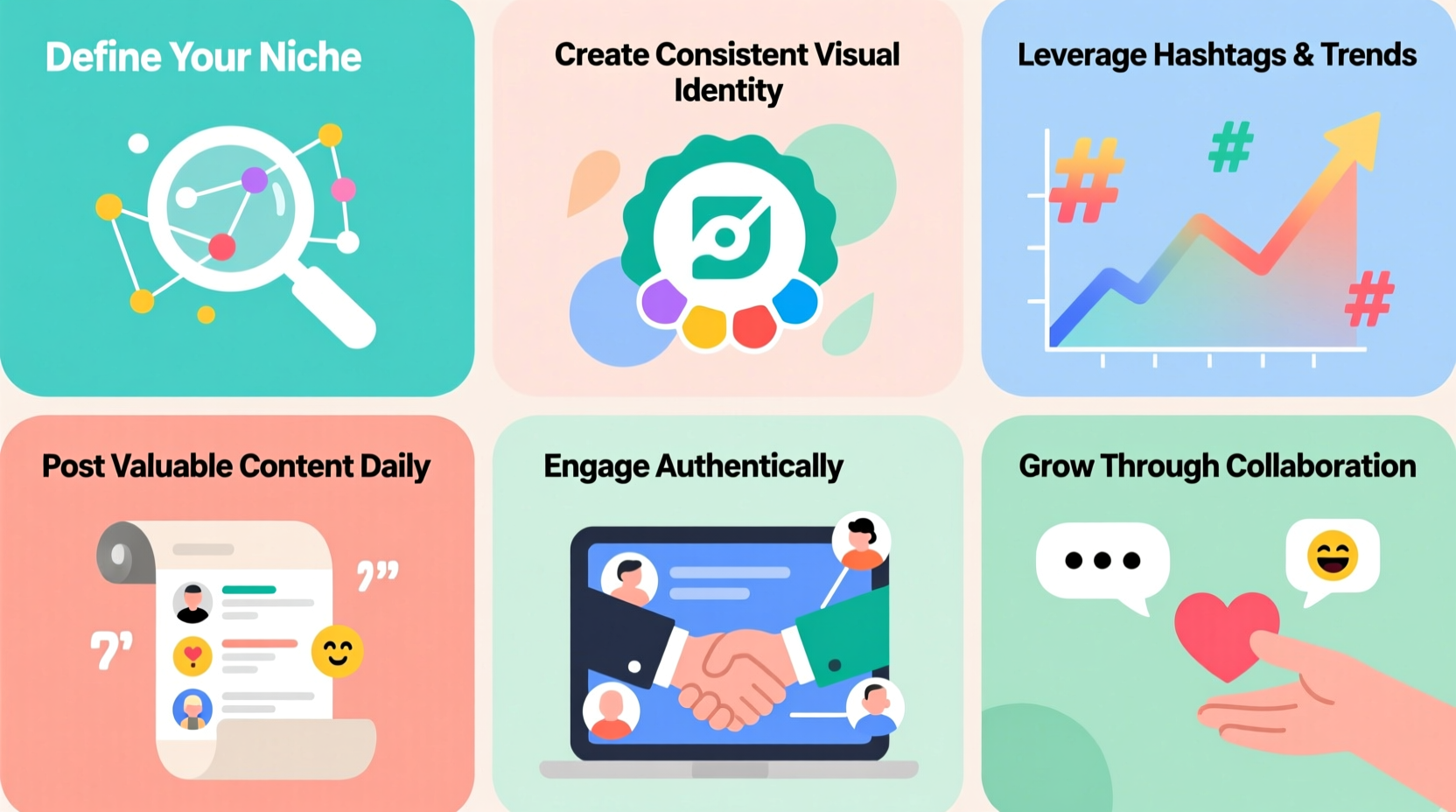
Before publishing your first post, clarify why your fan page exists. Is it to promote music, sell products, share educational content, or foster a sense of belonging? A clear mission shapes every decision—from tone of voice to content format.
Equally important is identifying your target audience. Who are they? What do they care about? Where do they spend time online? For example, a page supporting indie filmmakers should focus on behind-the-scenes insights, film festival updates, and storytelling tips—content that resonates with aspiring creators, not general entertainment consumers.
Optimize Your Page Setup
Your fan page’s structure sets the tone for professionalism and trust. On platforms like Facebook, Instagram, or LinkedIn, users form judgments within seconds. Ensure your setup includes:
- A high-resolution cover image that reflects your brand (e.g., logo, tagline, event teaser)
- A recognizable profile picture (logo or key figure)
- A concise yet compelling “About” section with contact info, website link, and mission
- Pinned posts highlighting top content, announcements, or welcome messages
Use platform-specific features wisely. Facebook allows category selection (e.g., “Public Figure,” “Brand”), which improves discoverability. Instagram offers story highlights to organize evergreen content like testimonials, FAQs, or product demos.
Common Setup Mistakes to Avoid
| Mistake | Why It Hurts | Better Approach |
|---|---|---|
| Vague or missing bio | Visitors leave without understanding your value | Include keywords, purpose, and a call-to-action (e.g., “Join 5K fans getting weekly creative prompts”) |
| Low-quality visuals | Undermines credibility | Use consistent branding: fonts, colors, and image filters |
| No link to website or other platforms | Loses conversion opportunities | Add a trackable link in bio (e.g., Linktree) and update regularly |
Develop a Content Strategy That Builds Connection
Content is the engine of community growth. But not all content performs equally. The most effective fan pages blend value, emotion, and interactivity.
Start by mapping out content pillars—3 to 5 recurring themes aligned with your audience’s interests. For instance, a fitness influencer might use:
- Motivation (success stories, quotes)
- Education (workout tips, nutrition guides)
- Community (fan transformations, Q&As)
- Behind-the-scenes (daily routines, challenges)
Post consistently, but prioritize quality over quantity. One insightful video per week often outperforms five generic images. Use scheduling tools like Meta Business Suite or Buffer to maintain rhythm without burnout.
“Engagement isn’t about posting more—it’s about listening more. The best fan pages respond as much as they broadcast.” — Lena Patel, Social Media Strategist at CommunityLab
Encourage Interaction Through Smart Tactics
Passive scrolling doesn’t build communities. Invite participation deliberately:
- Ask open-ended questions: “What’s one goal you’re chasing this month?”
- Run polls in stories or posts
- Host monthly challenges with user-generated content
- Feature fan contributions (photos, testimonials, ideas)
Grow Your Community Strategically
Organic growth takes patience, but it builds stronger relationships than paid tactics alone. Combine visibility with authenticity using these methods:
Step-by-Step Growth Timeline (First 90 Days)
- Week 1–2: Optimize page, publish 3 cornerstone posts (welcome, mission, sample content), invite friends and email list.
- Week 3–4: Post 3x/week, engage in 10 relevant groups or comment sections daily, launch first poll or question post.
- Month 2: Introduce a recurring series (e.g., “Fan Feature Friday”), collaborate with a micro-influencer, analyze top-performing content.
- Month 3: Run a small giveaway requiring tags and follows, refine content mix based on insights, set up automated welcome messages.
Paid promotion can accelerate visibility. Start with $5–$10/day boosting high-engagement posts to targeted demographics. Focus on posts that already show organic traction—this increases ROI.
Mini Case Study: Indie Musician Grows Fanbase from 200 to 10K in 6 Months
Sarah Lin, an emerging folk singer, launched her fan page with just a few concert photos and song snippets. She began posting short acoustic clips filmed on her phone, paired with lyrics and personal notes about what inspired each song.
She responded to every comment and reshared fan covers. After two months, she introduced “Lyric of the Week,” where followers guessed the song or shared memories tied to it. This sparked emotional connections beyond the music itself.
By collaborating with local venues and running targeted ads around release dates, her following grew steadily. Six months in, she sold out her first headline show—all tickets driven by her fan page community.
Track Progress and Adapt
Growth isn’t linear. Use analytics to understand what works. Key metrics to monitor:
- Engagement rate (likes, comments, shares per follower)
- Reach and impressions
- Follower growth trends
- Click-through rates on links
Review insights monthly. If tutorial videos get twice the engagement of quote graphics, shift focus. If Thursday posts perform best, schedule key announcements then.
Essential Fan Page Checklist
- ✅ Clear mission and audience defined
- ✅ Professional profile and cover photo
- ✅ Complete “About” section with contact and website
- ✅ At least three content pillars established
- ✅ Posting schedule planned for 4 weeks
- ✅ Engagement plan: responses, polls, features
- ✅ Analytics enabled and reviewed monthly
FAQ
How often should I post on my fan page?
Start with 3–4 times per week. Quality matters more than frequency. Monitor engagement—if daily posting leads to fatigue, scale back. Consistency is key: even one thoughtful post per week beats erratic bursts.
Should I delete negative comments?
Not automatically. Constructive criticism shows engagement. Respond politely and take the conversation offline if needed. Only remove comments that are abusive, spammy, or violate community guidelines.
Can I use the same content across multiple platforms?
You can adapt core messages, but tailor format and tone. A long-form Facebook post may become an Instagram carousel or TikTok script. Platform-native content performs better than cross-posted duplicates.
Conclusion
Building an engaging fan page is less about virality and more about intention. Every element—from your bio to your replies—shapes how people experience your community. By defining your purpose, creating meaningful content, and fostering real interaction, you lay the foundation for sustainable growth.
The most vibrant fan pages aren’t those with the most followers, but those where members feel seen, valued, and connected. Start small, stay consistent, and let your audience guide your evolution.




 浙公网安备
33010002000092号
浙公网安备
33010002000092号 浙B2-20120091-4
Comments
No comments yet. Why don't you start the discussion?