
A dripping faucet isn’t just annoying—it wastes water, increases utility bills, and can signal deeper plumbing issues if ignored. One of the most common causes of a leaky or stiff faucet is a worn-out cartridge. Whether your handle turns too loosely, won’t shut off completely, or requires excessive force to adjust temperature, replacing the cartridge often resolves the issue. Unlike full faucet replacement, this repair is cost-effective and manageable with basic tools. This comprehensive guide walks you through every stage—from identifying the problem to restoring smooth operation—with precision and confidence.
Understanding Faucet Cartridges and Their Role
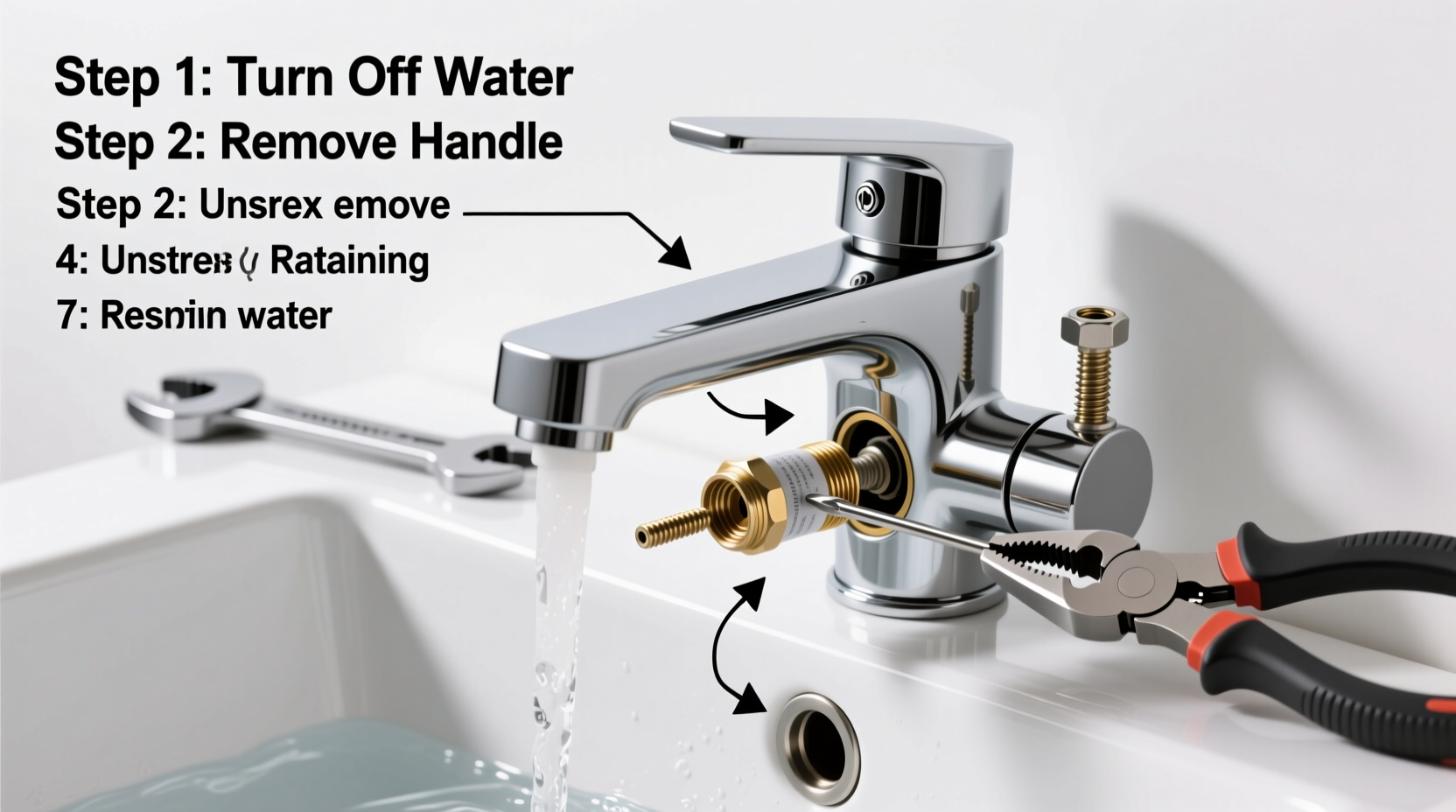
Faucet cartridges are internal components found in many modern single-handle and double-handle faucets. They regulate water flow and temperature by controlling how much hot and cold water mix before exiting the spout. Over time, mineral deposits, corrosion, and general wear degrade the cartridge’s seals and moving parts, leading to drips, inconsistent temperature control, or difficulty turning the handle.
Cartridge types vary by manufacturer and model—common styles include ceramic disk, compression, ball-type, and stem cartridges. Most residential faucets use either brass or ceramic cartridges, with ceramic being more durable and resistant to wear. Before beginning any work, identify your faucet brand and model (often marked on the base or underside) to ensure compatibility when purchasing a replacement.
“Over 70% of faucet leaks stem from cartridge failure. Replacing it early prevents secondary damage to seats and springs.” — James Holloway, Master Plumber & Plumbing Instructor
Essential Tools and Materials Checklist
Before shutting off water lines, gather all necessary tools and supplies. Having everything ready prevents delays mid-repair and reduces the chance of losing small parts.
- Adjustable wrench or basin wrench
- Flathead and Phillips screwdrivers
- Allen (hex) keys – commonly size H3 or H4
- Pliers (needle-nose preferred)
- Plumber’s grease (silicone-based)
- Clean cloth or rag
- Bucket or towel (for residual water)
- New cartridge (exact match for your model)
- Vinegar and soft brush (optional, for cleaning valve seat)
Step-by-Step Guide to Replacing a Faucet Cartridge
- Shut Off Water Supply Valves
Locate the shutoff valves under the sink. Turn both hot and cold handles clockwise until tight. If no valves exist, shut off the main water supply to avoid flooding. - Relieve Pipe Pressure
Turn on the faucet to release remaining water pressure. Let it run briefly until flow stops. Close the drain with a plug or cover it to prevent losing screws. - Remove the Faucet Handle
Look for a decorative cap on top of the handle. Pry it off gently with a flathead screwdriver. Beneath it, you’ll find a setscrew—loosen it using an Allen key or screwdriver. Pull the handle straight up. If stuck, wiggle gently; do not force it. - Unscrew the Retaining Nut
With the handle removed, you’ll see a cylindrical cartridge held by a retaining nut. Use an adjustable wrench or basin wrench to loosen and remove it. Keep track of washers or O-rings around the nut—they may need replacement. - Extract the Old Cartridge
Grip the cartridge shaft firmly and pull straight out. Some models require slight rocking motion. Inspect it for cracks, warping, or mineral buildup. Compare it visually with the new one to confirm match. - Clean the Valve Body
Use a clean cloth and vinegar-soaked brush to wipe away sediment inside the faucet body. Check the rubber seats and springs—if cracked or brittle, replace them. Avoid metal brushes that could scratch internal surfaces. - Install the New Cartridge
Apply a thin layer of plumber’s grease to the O-rings and shaft of the new cartridge. Align it properly (note orientation tabs or grooves), then insert smoothly into the valve body. Do not twist during insertion. - Reattach the Retaining Nut
Screw the retaining nut back on by hand first, then tighten snugly with a wrench. Do not overtighten—this can damage plastic components or distort seals. - Reinstall the Handle and Cap
Slide the handle back onto the cartridge stem, reinsert the setscrew, and tighten securely. Snap the decorative cap back into place. - Restore Water and Test
Slowly reopen shutoff valves. Turn on the faucet and check for leaks, smooth handle movement, and proper hot/cold transition. Run water for one minute to flush out debris.
Common Mistakes and What to Avoid
| Do’s | Don’ts |
|---|---|
| Match the exact cartridge model number | Assume all cartridges fit the same brand |
| Label parts as you remove them | Work without shutting off water |
| Lubricate O-rings with silicone grease | Use petroleum-based lubricants (they degrade rubber) |
| Inspect seats and springs during replacement | Overtighten the retaining nut |
| Test operation before final cleanup | Ignore small drips—they usually worsen |
Real Example: A Homeowner’s Successful Repair
Sarah M., a homeowner in Portland, noticed her kitchen faucet began leaking steadily after six years of daily use. The handle felt loose and wouldn’t maintain mid-position settings. After watching several confusing videos online, she followed this structured approach. She identified her faucet as a Moen Chateau model, ordered the correct 1225B cartridge, and completed the replacement in under 40 minutes. Not only did the drip stop, but the handle regained firm control over temperature. “I saved $180 in plumber fees,” she said. “Now I feel confident fixing other fixtures.”
Frequently Asked Questions
How often should faucet cartridges be replaced?
Most last between 5 to 8 years depending on water hardness and usage frequency. Signs like persistent dripping, reduced water pressure, or stiff handles indicate it’s time for replacement.
Can I replace a faucet cartridge without turning off the water?
No. Skipping this step risks uncontrolled water release, which can cause water damage and complicate repairs. Always shut off supply valves and verify they’re closed by opening the faucet.
What if the new cartridge doesn’t fix the leak?
If leakage persists after installation, inspect the valve seat for erosion or debris. A damaged seat may require reseating with a special tool or professional attention. Also ensure the cartridge is fully seated and aligned.
Final Thoughts and Call to Action
Replacing a faucet cartridge is a practical skill that empowers homeowners to maintain their plumbing efficiently. With minimal investment in time and tools, you can eliminate wasteful leaks, improve functionality, and extend the lifespan of your fixtures. This repair not only saves money but also contributes to sustainable water use. Don’t wait for a small drip to become a flood—address it at the source.




 浙公网安备
33010002000092号
浙公网安备
33010002000092号 浙B2-20120091-4
Comments
No comments yet. Why don't you start the discussion?