
Changing your company name is more than just a rebrand—it’s a strategic shift that affects legal standing, customer perception, and operational continuity. Whether you're pivoting your business model, merging with another entity, or simply refreshing your image, the process demands careful planning. A misstep can lead to confusion, lost trust, or even legal complications. This guide walks through every phase of renaming your company, from initial evaluation to post-launch monitoring, ensuring you maintain compliance, brand equity, and momentum.
Evaluate the Need for a Name Change
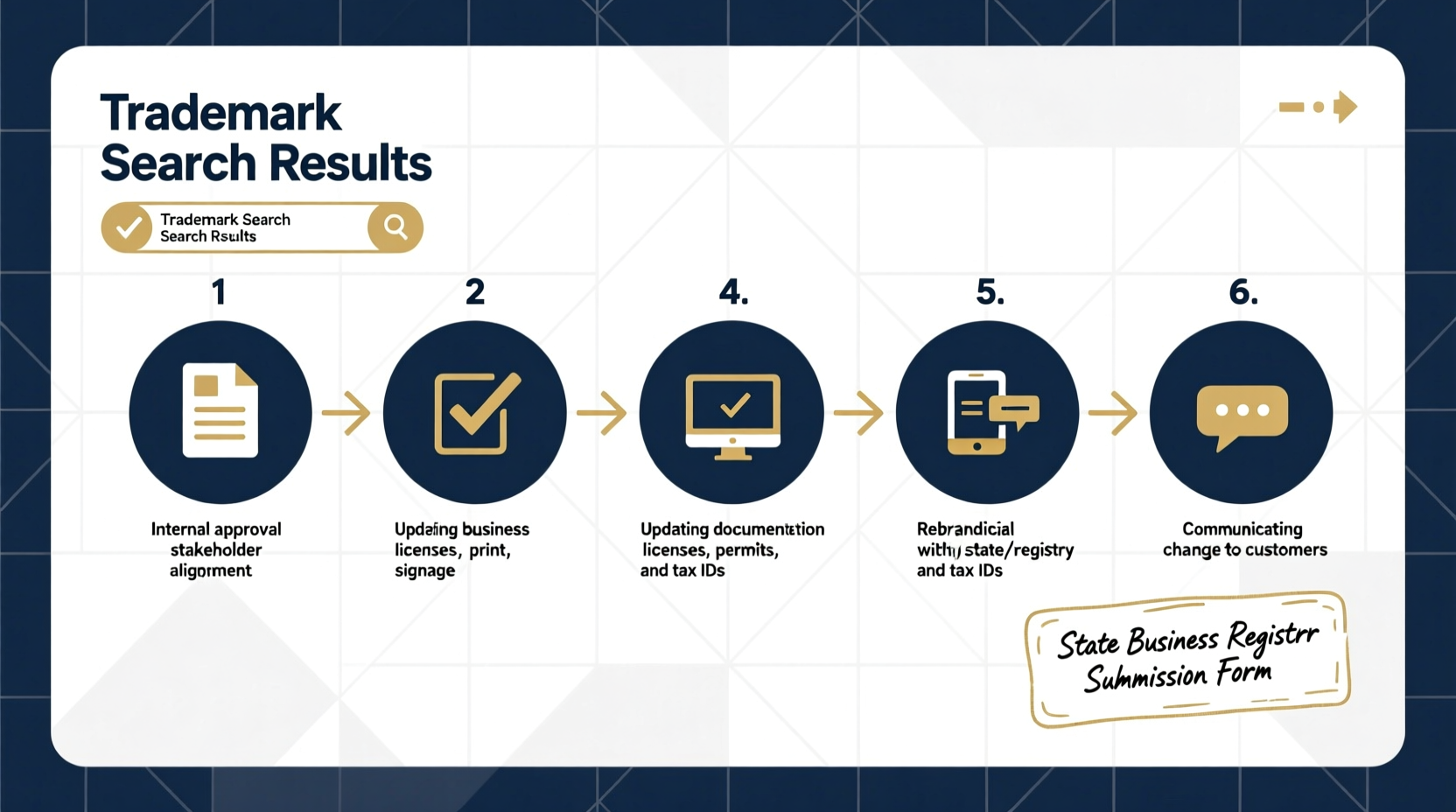
Before initiating any formal process, assess why you want to change your company name. Common reasons include market repositioning, expansion into new industries, legal conflicts, or evolving brand identity. Ask yourself:
- Does the current name limit growth or cause confusion?
- Is there trademark infringement risk?
- Will customers understand the reason behind the change?
- Can the new name be easily trademarked and domain-registered?
A clear rationale strengthens internal alignment and helps communicate the change externally. Involve key stakeholders—founders, executives, legal advisors, and marketing leads—in early discussions to ensure consensus.
Legal Steps to Officially Change Your Company Name
The legal aspect of a name change varies by jurisdiction but generally follows a standardized procedure. Below is a timeline-based breakdown for most U.S.-based corporations and LLCs:
- Check Name Availability: Use your state’s Secretary of State database to confirm the desired name isn’t already in use. Also conduct a federal trademark search via USPTO.gov.
- Hold a Board Resolution (Corporations): For corporations, directors must formally approve the name change in writing or during a meeting.
- File Articles of Amendment: Submit this document to your state’s filing office, usually accompanied by a fee. Processing times range from a few days to several weeks.
- Update Federal Tax Filings: Notify the IRS using Form 8822-B if your EIN remains the same but the business name changes.
- Register Trademarks: File for federal trademark protection under the new name to prevent future disputes.
- Notify Licensing Authorities: If your business holds industry-specific licenses (e.g., contractors, healthcare), update each agency.
Sole proprietors and partnerships often have simpler processes—typically involving filing a DBA (Doing Business As) amendment—but should still verify local requirements.
“Failing to properly file an amendment can invalidate contracts and leave the business exposed to liability.” — Laura Simmons, Corporate Law Attorney at Hartwell Legal Group
Practical Branding and Communication Strategy
Once legally approved, focus shifts to execution. A successful rebrand hinges on consistent messaging across all touchpoints. Begin with internal communication: inform employees first, provide talking points, and train customer-facing teams.
Externally, roll out the change in phases:
- Secure matching domains and social media handles
- Design updated logos, stationery, packaging, and signage
- Launch a public announcement via email, press release, and website banner
- Explain the “why” behind the change to build empathy and trust
Transparency reduces speculation. Customers are more likely to accept a name change when they understand it reflects growth, not instability.
Do’s and Don’ts of Rebranding Communication
| Do’s | Don’ts |
|---|---|
| Announce the change clearly and early | Surprise customers with sudden website redirects |
| Highlight benefits of the new direction | Disparage your old brand or past decisions |
| Maintain visual continuity where possible | Drop all legacy branding overnight |
| Offer FAQs and support channels | Ignore questions or criticism on social media |
Operational Transition Checklist
Behind the scenes, dozens of systems must be updated. Missing one can disrupt operations or damage credibility. Use this checklist to stay organized:
- ✅ Update business bank accounts and merchant services
- ✅ Amend contracts, invoices, and purchase orders
- ✅ Change letterheads, email signatures, and templates
- ✅ Redirect old website URL to new domain with SEO-preserving 301 redirects
- ✅ Notify suppliers, distributors, and partners
- ✅ Update Google Business Profile, maps, and directories
- ✅ Audit and revise all digital ads and listings
- ✅ Archive old branding materials securely
Assign ownership for each task and set deadlines. Consider using project management tools like Asana or Trello to track progress. Allow at least 60–90 days for full implementation, especially for larger organizations.
Real-World Example: How BrewLab Transformed to CraftRoot
BrewLab, a specialty coffee roaster based in Portland, rebranded to CraftRoot in 2021 to reflect its broader mission beyond brewing—encompassing education, sustainability, and community workshops. The leadership team began with a six-month discovery phase, surveying over 500 customers and testing three potential names.
They filed Articles of Amendment in Oregon, secured craftroot.com and associated social handles, and launched a campaign titled “From Beans to Belonging,” explaining the evolution. Old packaging was honored with a “Final Roast” limited edition line, creating nostalgia while signaling renewal.
Within three months, web traffic increased by 42%, and customer retention held steady. The case illustrates how thoughtful planning and emotional storytelling can turn a logistical challenge into a growth opportunity.
Frequently Asked Questions
Can I keep my EIN after changing my company name?
Yes. The Employer Identification Number (EIN) remains the same unless there’s a change in business structure (e.g., sole proprietorship to corporation). You must notify the IRS of the name change using Form 8822-B.
What happens if someone else is already using the name I want?
If another business in your state or industry uses the name, you may be blocked from registration. Even if available locally, a federally registered trademark can override your usage. Always conduct thorough searches before proceeding.
How long does a company name change take?
Legally, processing filings takes 1–4 weeks depending on the state. However, the full rebrand—including design, communication, and system updates—typically requires 2–4 months for small to mid-sized businesses.
Conclusion: Make the Change With Confidence
Changing your company name is a significant undertaking, but with structured planning, it can unlock new opportunities and reinforce your market position. From legal compliance to customer communication, each step shapes how your business is perceived during and after the transition. Avoid rushing the process—clarity, consistency, and care will preserve trust and drive long-term success.




 浙公网安备
33010002000092号
浙公网安备
33010002000092号 浙B2-20120091-4
Comments
No comments yet. Why don't you start the discussion?