
For those dealing with acne-prone skin, finding a foundation that doesn’t clog pores, trigger breakouts, or irritate sensitive areas can feel like an endless cycle of trial and error. The wrong formula can worsen existing blemishes, cause new ones, or leave skin looking dull and inflamed. But the right foundation does more than just even out tone—it protects, hydrates, and supports healthier skin over time. This guide walks you through a clear, science-informed process to select a foundation that works with your skin, not against it.
Understand Your Skin Type and Triggers
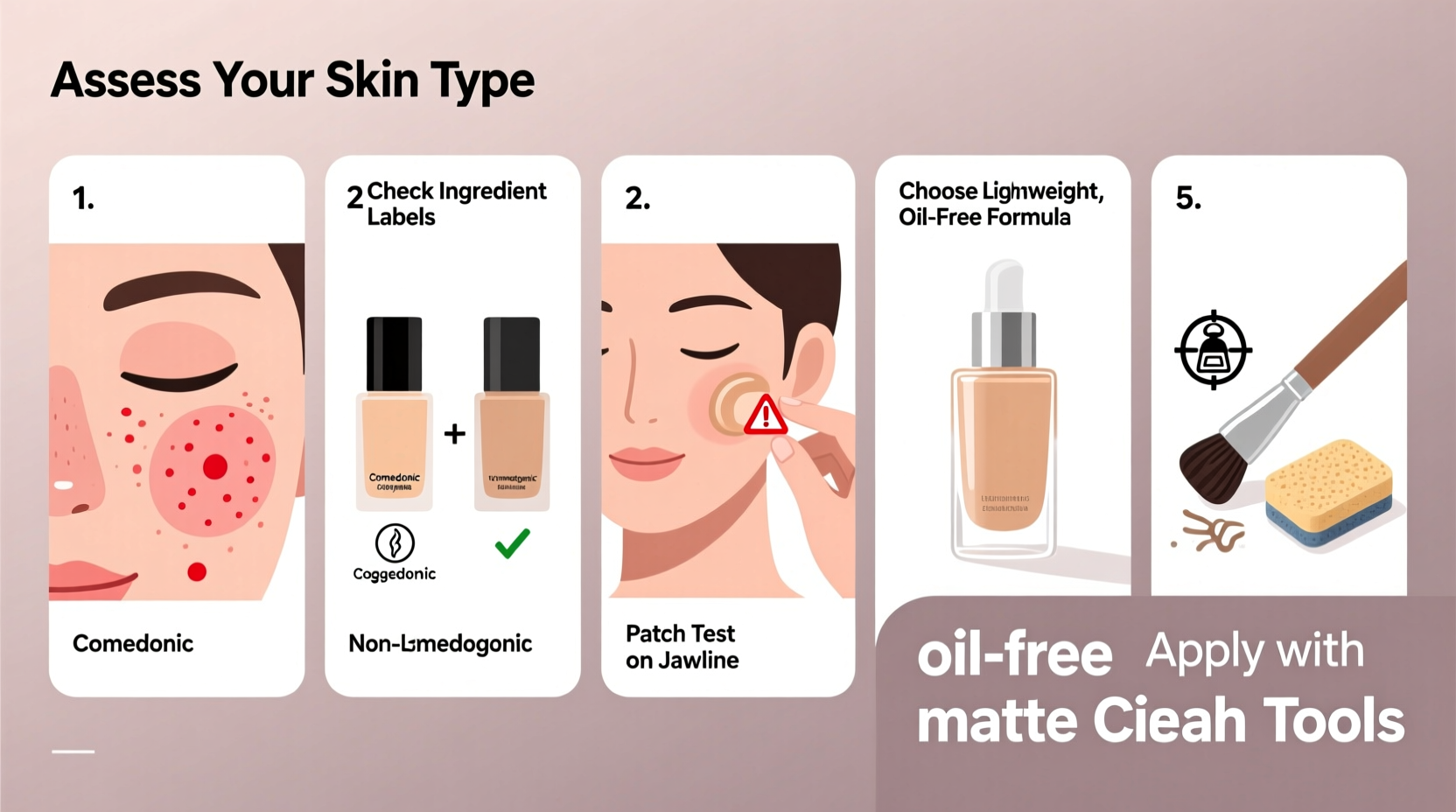
Acne-prone skin isn't a one-size-fits-all category. It ranges from oily and congested to combination with occasional breakouts, or even dry and reactive with hormonal acne. Before selecting any product, identify your specific skin profile:
- Oily/acne-prone: Excess sebum production, frequent blackheads and whiteheads, enlarged pores.
- Combination/acne-prone: Oily T-zone (forehead, nose, chin) with dry cheeks and intermittent breakouts.
- Dry/sensitive with acne: Flaky patches alongside inflammatory pimples, often triggered by stress or hormones.
- Cystic/hormonal acne: Deep, painful nodules typically around the jawline and lower face.
Knowing your subtype helps narrow down suitable textures and ingredients. For example, someone with oily skin benefits from lightweight, mattifying formulas, while dry acne-prone skin needs hydration without heaviness.
Look for Acne-Friendly Formulations
The ingredient list matters more than brand reputation when managing acne. Certain components are known comedogenic (pore-clogging), while others actively support clearer skin. Prioritize foundations labeled “non-comedogenic,” “oil-free,” and “fragrance-free.” These terms indicate formulations tested to minimize pore blockage and irritation.
Key ingredients to seek:
- Niacinamide (Vitamin B3): Reduces inflammation, regulates oil, and strengthens the skin barrier.
- Salicylic Acid: A beta-hydroxy acid (BHA) that exfoliates inside pores, preventing buildup.
- Hyaluronic Acid: Provides lightweight hydration without greasiness—ideal for dehydrated acne-prone skin.
- Zinc Oxide (in mineral foundations): Soothes redness and offers natural sun protection.
Avoid these common irritants:
- Mineral oil, lanolin, isopropyl myristate – highly comedogenic oils.
- Synthetic fragrances and essential oils – can trigger inflammation.
- Alcohol denat. in high concentrations – strips moisture and increases sebum production long-term.
“Patients with acne often overlook makeup as a contributing factor. Switching to non-comedogenic, low-irritant foundations can reduce flare-ups by up to 40%.” — Dr. Lena Torres, Board-Certified Dermatologist
Step-by-Step Guide to Choosing the Right Foundation
Selecting the best foundation isn’t about trends—it’s about methodical testing and informed decisions. Follow this six-step process for reliable results.
- Assess your current routine. Are you using harsh cleansers or over-exfoliating? Damaged barriers make skin more reactive to makeup. Ensure your skincare is balanced before adding foundation.
- Identify your primary concern. Is it oil control, redness reduction, or coverage for active breakouts? Match your goal to foundation properties (e.g., matte finish for oil, green-tinted primers for redness).
- Choose the format wisely.
- Liquid: Best for most acne-prone types; blends easily and comes in breathable, buildable formulas.
- Stick: Often more occlusive; avoid unless specifically labeled non-comedogenic.
- Mineral powders: Ideal for oily skin; provide light coverage and absorb excess oil throughout the day.
- BB/CC creams: Lightweight alternatives with SPF and skincare benefits—great for mild concerns.
- Test for compatibility. Never buy full-size immediately. Request samples or use store testers (with clean applicators). Apply a small amount on your jawline or cheek for at least 24 hours. Watch for redness, itching, or new blemishes.
- Evaluate wear-time performance. Does it oxidize (change color)? Does it settle into pores or emphasize dry patches? A good foundation should look consistent after 4–6 hours.
- Check removal requirements. If the foundation requires harsh scrubbing or oil-based cleansers to remove, it may be too heavy or silicone-laden for acne-prone skin. Opt for formulas removable with gentle foaming or gel cleansers.
Do’s and Don’ts: Foundation Selection Table
| Do’s | Don’ts |
|---|---|
| Choose water-based or silicone-free formulas | Use coconut oil-derived ingredients (highly comedogenic) |
| Opt for SPF 30+ if wearing daily (preferably mineral-based) | Layer thick concealers over active pimples without spot treatment first |
| Use clean brushes or sponges; wash weekly | Share makeup tools or test products directly from the container |
| Remove makeup every night—even if tired | Skip moisturizer to “dry out” acne (leads to rebound oil production) |
| Patch test new products behind the ear or on the neck | Ignore expiration dates—most liquid foundations last 6–12 months |
Real Example: Sarah’s Breakout Turnaround
Sarah, 28, struggled with persistent chin breakouts despite a consistent skincare routine. She used a popular full-coverage foundation praised for its longevity. After tracking her flare-ups, she noticed new pimples appeared within days of applying makeup. Upon checking the ingredient list, she found isopropyl myristate and fragrance—both known irritants.
She switched to a niacinamide-infused, oil-free liquid foundation and began cleansing with a salicylic acid face wash. Within three weeks, her breakout frequency dropped by half. By month two, her skin was calmer, and she needed less concealer. Her experience underscores how foundational choices impact skin health beyond surface-level coverage.
Build a Supportive Makeup Routine
Your foundation doesn’t work in isolation. Pair it with compatible products to create a breakout-resistant regimen.
- Primer: Use a mattifying or pore-blurring primer with silica or niacinamide. Avoid dimethicone-heavy options if you’re sensitive to silicones.
- Concealer: Choose a creamy, non-drying formula applied only where needed. Avoid thick layers on active lesions.
- Setting powder: Translucent powders with rice starch or zinc help control shine without clogging pores. Tap off excess to prevent cakeiness.
- Setting spray: Hydrating mists with glycerin or aloe keep makeup in place without friction or touch-ups.
Application tools matter too. Synthetic bristle brushes and reusable silicone sponges are easier to clean than porous ones. Wash them biweekly with a gentle brush cleanser to prevent bacterial transfer.
Frequently Asked Questions
Can I wear foundation every day if I have acne?
Yes, but only if the formula is non-comedogenic, removed nightly, and paired with a healthy skincare routine. Daily wear isn’t inherently harmful—poor product choices and hygiene are the real culprits behind worsening acne.
Is mineral foundation better for acne-prone skin?
Often, yes. Mineral foundations (typically zinc oxide and titanium dioxide) are less likely to contain synthetic additives and offer anti-inflammatory benefits. However, some pressed mineral powders include fillers like talc or bismuth oxychloride, which may irritate sensitive skin. Always read labels carefully.
Should I skip foundation during a breakout?
Not necessarily. Light coverage can protect healing skin from environmental pollutants and reduce the urge to pick. Use a soothing, medicated foundation or apply spot treatments first, then lightly cover with a clean fingertip or sterilized tool.
Final Checklist Before You Buy
- ✅ Label says “non-comedogenic,” “oil-free,” and “fragrance-free”
- ✅ Free from known comedogens (check ingredients list)
- ✅ Matches your skin’s undertone in natural light
- ✅ Feels lightweight and breathable after 30 minutes of wear
- ✅ Doesn’t accentuate dry patches or clog pores
- ✅ Can be removed with a gentle cleanser
- ✅ Patch-tested for 24–48 hours with no reaction
Conclusion: Make Informed Choices for Healthier Skin
Choosing the right foundation for acne-prone skin isn’t about covering up—it’s about creating a protective, enhancing layer that respects your skin’s biology. With the right knowledge, you can transform makeup from a source of frustration into a tool for confidence and care. Take the time to analyze ingredients, test thoroughly, and maintain hygiene. Your skin will respond not just with fewer breakouts, but with improved texture and resilience over time.




 浙公网安备
33010002000092号
浙公网安备
33010002000092号 浙B2-20120091-4
Comments
No comments yet. Why don't you start the discussion?