
Teaching your dog to walk on a leash is one of the most important foundational skills in dog ownership. It’s not just about control—it’s about safety, communication, and building trust between you and your pet. Whether you’re working with a puppy or an adult rescue dog, leash walking can be taught effectively with patience, consistency, and the right approach. This guide walks you through every stage—from preparation to mastering loose-leash walking—so you and your dog can enjoy stress-free outings together.
1. Prepare the Right Equipment and Environment
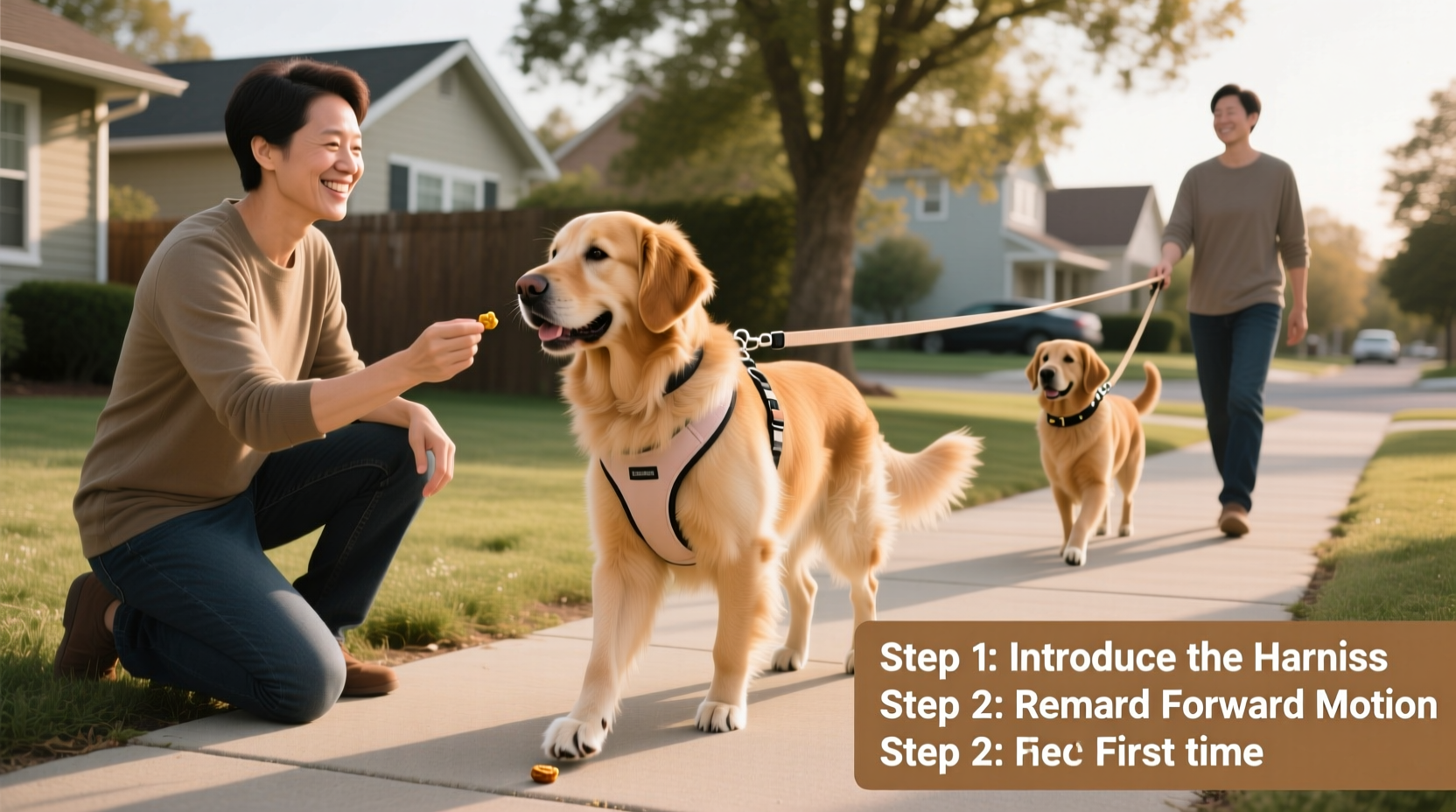
Before introducing the leash, ensure you have the proper tools and a suitable environment. A calm, distraction-free space allows your dog to focus without feeling overwhelmed. Start indoors or in a quiet backyard where familiar sights and sounds won’t compete for attention.
Choose a lightweight leash, ideally 4–6 feet long, made of nylon or biothane. Avoid retractable leashes during training—they encourage pulling and reduce your control. Pair it with a well-fitted harness or collar. For most dogs, especially those prone to pulling, a front-clip harness helps redirect their momentum gently.
2. Introduce the Leash Gradually
Sudden exposure to a dangling leash can scare some dogs. Instead, lay the leash on the ground near your dog while offering treats. Allow them to sniff and investigate at their own pace. Once they seem comfortable, clip the leash on while giving praise or a treat. Let them drag it (under supervision) in a safe area so they learn it’s not something to fear.
After a few successful sessions of dragging the leash calmly, stand nearby and hold the end. If your dog moves toward you when the leash goes taut, reward them immediately. This begins to establish that moving toward you—not away—is what earns rewards.
“Dogs don’t naturally understand what a leash means. We have to teach them that it’s a tool for connection, not restriction.” — Dr. Sophia Yin, Veterinary Behaviorist
3. Step-by-Step Training Process
Now that your dog is comfortable with the equipment, begin structured training. Follow this timeline over 7–10 days, adjusting based on your dog’s progress.
- Day 1–2: Leash Awareness Indoors
Walk slowly around your home with the leash attached. Change directions frequently. Reward your dog for staying close or looking at you. - Day 3–4: Focus and Attention Cues
Use a cue like “Let’s go” or “This way” to initiate movement. Reward any steps taken beside you. If your dog pulls ahead, stop moving. Wait for slack in the leash, then mark (“Yes!”) and reward. - Day 5–6: Short Outdoor Sessions
Move to a quiet outdoor space. Keep walks under 10 minutes. Practice starting, stopping, and turning. Use high-value treats (like chicken or cheese) to maintain focus. - Day 7–10: Add Distractions Gradually
Introduce mild distractions—passing cars, birds, or other people at a distance. If your dog reacts, increase the distance until they can remain calm and focused.
The key is consistency. Train daily in short bursts (5–10 minutes). Multiple brief sessions are more effective than one long, stressful walk.
4. Master Loose-Leash Walking
Loose-leash walking means your dog walks beside you without tension on the leash. This requires teaching an alternative behavior to pulling. One effective method is the “red-light, green-light” technique:
- When the leash is loose, say “Good walk” and keep moving (green light).
- If the leash tightens, stop immediately (red light).
- Wait for the leash to go slack—even if your dog just takes a half-step back—then mark and reward.
- Resume walking only when the leash is relaxed.
This teaches your dog that forward motion is only possible when they stay close. Over time, they’ll anticipate slowing down or turning toward you before the leash tightens.
| Behavior | What to Do | What to Avoid |
|---|---|---|
| Dog pulls forward | Stop walking, wait for slack, then reward and continue | Pulling back or yelling—this increases tension |
| Dog looks at you | Mark with “Yes!” and give a treat | Ignoring the behavior—missed reinforcement opportunity |
| Dog sits or slows | Cheerfully encourage movement with a cue and treat | Dragging or tugging the dog forward |
5. Real-World Example: Training a Reactive Rescue Dog
Max, a two-year-old mixed breed adopted from a shelter, lunged at squirrels and barked at passing cyclists. His owner, Sarah, started training in her garage with the leash clipped but no pressure applied. For three days, she rewarded Max simply for standing near the leash.
By day five, they progressed to walking in slow circles around the kitchen. When Max pulled, Sarah froze. After several repetitions, Max began checking in with her before moving forward. Within two weeks, they were taking five-minute walks around the block, pausing to reward calm behavior.
After a month of consistent practice, Max walks attentively on a loose leash, turning to look at Sarah whenever he spots a distraction. The transformation wasn’t instant—but it was built on small, repeatable successes.
Essential Training Checklist
Use this checklist to track your progress and ensure nothing is missed:
- ✅ Choose a comfortable, properly fitted harness or collar
- ✅ Use a 4–6 foot non-retractable leash
- ✅ Practice indoors first in a low-distraction area
- ✅ Let your dog sniff and explore the leash before use
- ✅ Use high-value treats during early training
- ✅ Practice short, frequent sessions (5–10 minutes)
- ✅ Reinforce attention and loose-leash behavior immediately
- ✅ Gradually introduce outdoor environments and distractions
- ✅ Stay patient and avoid punishment-based corrections
- ✅ Celebrate small improvements—progress is cumulative
Frequently Asked Questions
How long does it take to teach a dog to walk on a leash?
Most dogs begin to understand basic leash manners within 1–2 weeks of consistent training. However, mastering loose-leash walking in distracting environments can take several weeks to months, depending on the dog’s age, temperament, and prior experiences.
My dog lies down during walks. What should I do?
This is common, especially in puppies or anxious dogs. Avoid pulling. Instead, change direction or lure your dog forward with a treat. If the behavior persists, consult a trainer or veterinarian to rule out pain or fear-related causes.
Can I use treats forever, or will my dog become dependent?
Treats are essential in early training but should be phased into a variable reward schedule over time. Once your dog reliably walks beside you, reward intermittently—sometimes with food, sometimes with praise or play. This maintains motivation without constant treats.
Conclusion: Build Confidence Together
Teaching your dog to walk on a leash is more than a practical skill—it’s a shared journey that strengthens your bond. With clear communication, positive reinforcement, and realistic expectations, even the most excitable or fearful dogs can learn to walk calmly by your side. Remember, every dog learns at their own pace. What matters most is consistency, kindness, and celebrating each small victory along the way.




 浙公网安备
33010002000092号
浙公网安备
33010002000092号 浙B2-20120091-4
Comments
No comments yet. Why don't you start the discussion?