
In a world where personal expression meets everyday utility, the keychain handbag has emerged as a stylish yet functional accessory. More than just a trend, it’s a fusion of minimalism, security, and individuality. Whether clipped to your keys, purse, or belt loop, a well-crafted keychain handbag keeps essentials close while reflecting your unique aesthetic. This guide walks you through creating one from concept to completion—balancing design, durability, and purpose.
Why Craft Your Own Keychain Handbag?
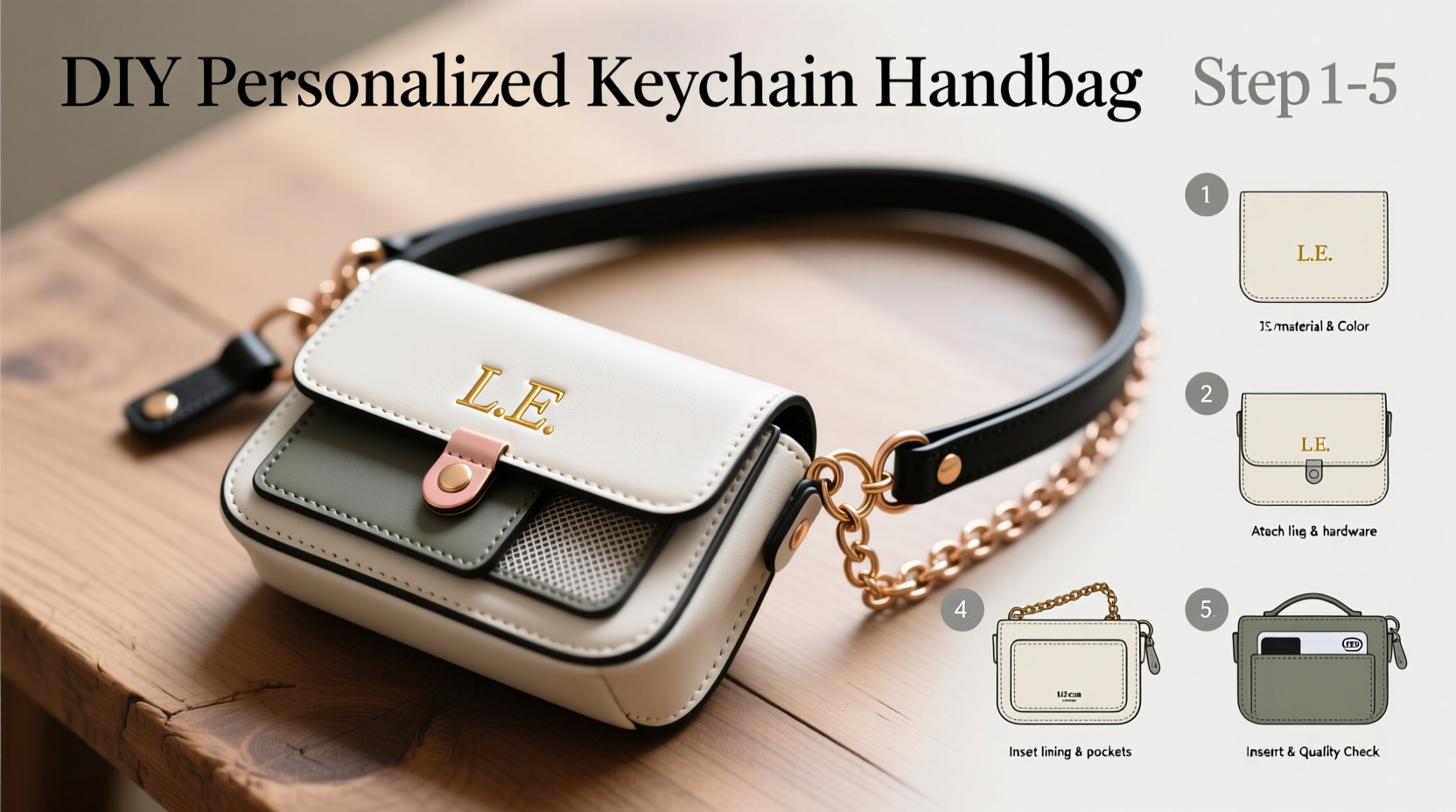
Store-bought accessories often lack customization and soul. A handmade keychain handbag allows control over materials, size, closure type, and visual details. It can be tailored to match your wardrobe, hold specific items (like a lipstick, cash, or even a small notebook), and serve as a conversation starter. Beyond fashion, crafting builds mindfulness and fine motor skills—making the process as rewarding as the product.
“Personalization isn’t just about looks—it’s about designing for how you live.” — Maya Tran, Accessory Designer & Founder of Urban Thread Co.
Step-by-Step Guide: Building Your Keychain Handbag
Step 1: Define Purpose and Size
Begin by asking: What will this carry? Common uses include:
- Emergency cash and ID
- Lip balm or mini cosmetics
- A house key inside a secure pouch
- A tiny journal or affirmation card
Based on use, determine dimensions. A standard size is 3” x 4”, but go smaller (2” x 2.5”) for minimalist needs or larger (up to 5” x 6”) if including more items.
Step 2: Gather Materials and Tools
You’ll need durable, lightweight components that balance aesthetics and strength:
- Fabric: Vegan leather, waxed canvas, or heavy-duty cotton twill (exterior); soft lining like satin or quilting cotton (interior)
- Interfacing: Fusible fleece or sew-in stabilizer for structure
- Closure: Magnetic snap, zipper, or button stud
- Hardware: Swivel lobster clasp or key ring (minimum 25mm diameter)
- Thread: Heavy-duty polyester or nylon thread
- Tools: Scissors, ruler, pins, sewing machine (or needle for hand-stitching), hole punch (for leather), fabric glue (optional)
Step 3: Cut and Prepare Fabric
Using your sketch as reference, cut two identical rectangles for the exterior and two for the lining. Add ¼ inch seam allowance on all sides. If using interfacing, iron it onto the wrong side of the exterior pieces. For added durability, consider boxing the corners later to create depth.
Step 4: Attach Closure and Hardware
If using a zipper, sandwich it between the outer and inner fabric layers along the top edge before sewing the main body. For magnetic snaps, install one half on each exterior piece before assembly. Ensure alignment by marking centers with chalk or washable pen.
Step 5: Sew the Main Body
With right sides together, pin and sew the exterior pieces along three sides (leave top open). Repeat with lining, but leave a 2-inch gap at the bottom for turning. Turn the exterior right-side out. Do not turn the lining.
Step 6: Join Exterior and Lining
Place the sewn exterior inside the lining (right sides facing). Align top edges and pin carefully. Sew around the top to connect both layers. Pull the entire piece through the gap in the lining to flip it right-side out. Use a blunt tool (like a chopstick) to push out corners gently. Finally, hand-stitch or machine-sew the lining closed.
Step 7: Add the Keychain Clip
Sew or rivet a sturdy D-ring or O-ring to the top center of the bag. Attach the swivel clasp or key ring securely. Test weight capacity by clipping keys and giving it a light tug.
Design Tips for Style and Function
A successful keychain handbag balances form and function. Consider these principles when customizing:
| Feature | Style Option | Functional Benefit |
|---|---|---|
| Exterior Material | Embossed vegan leather, embroidered denim | Weather resistance, scratch durability |
| Lining Color | Bold prints or metallic fabric | Easier visibility of contents |
| Closure Type | Zipper, snap, fold-over flap | Security vs. quick access trade-off |
| Hardware Finish | Matte black, rose gold, antique brass | Matches other jewelry or tech accessories |
| Extra Details | Pom-poms, tassels, monogram patches | Personal flair without compromising utility |
Real Example: From Concept to Daily Carry
Sophie, a freelance designer based in Portland, wanted a compact way to carry her transit pass and emergency $20 bill without adding bulk to her crossbody bag. She crafted a 2.5” x 3.5” keychain handbag using navy waxed canvas exterior and a bright coral satin lining. She added a small silver zipper and attached it to her existing keyring via a rotating clasp. After six months of daily use—including rainy commutes and frequent clipping/unclipping—the bag remains intact, and she now receives compliments weekly. “It’s become part of my identity,” she says. “I feel more prepared, and it reflects my taste.”
Essential Checklist Before You Begin
- ☐ Define primary use and required internal space
- ☐ Choose durable, complementary fabrics for outer and lining
- ☐ Select closure method based on security needs
- ☐ Confirm hardware strength (test clasp under tension)
- ☐ Pre-wash fabrics if prone to shrinking or bleeding
- ☐ Label all pattern pieces clearly before cutting
- ☐ Test stitch tension on scrap material first
- ☐ Allow time for adjustments—first version doesn’t need to be perfect
Frequently Asked Questions
Can I make a keychain handbag without a sewing machine?
Yes. While a machine ensures stronger seams, hand-sewing with a backstitch provides excellent durability. Use waxed thread and reinforce high-stress areas like corners and attachment points. Allow extra time—this project typically takes 2–3 hours by hand.
How do I clean my handmade keychain handbag?
Spot clean with a damp cloth and mild soap. Avoid soaking, especially if the bag contains interfacing, which may warp. For leather or vegan leather surfaces, use a specialty wipe designed for the material. Let air dry completely before reuse.
What’s the best way to personalize it further?
Beyond color choices, consider adding initials with iron-on letters, embroidery, or a small charm. Some crafters attach removable patches so they can change the look seasonally. Just ensure added elements don’t interfere with the bag’s ability to open or close smoothly.
Final Thoughts: Wear Your Creativity
A personalized keychain handbag is more than an accessory—it’s a declaration of intention. Every stitch reflects thoughtfulness, every material choice reveals values, and every use reinforces self-reliance. In an age of mass production, taking time to build something small yet meaningful reclaims agency over personal style. Whether you’re new to crafting or refining your technique, this project offers immediate satisfaction and lasting utility.




 浙公网安备
33010002000092号
浙公网安备
33010002000092号 浙B2-20120091-4
Comments
No comments yet. Why don't you start the discussion?