
Crafting resin flower keychains combines the timeless beauty of nature with the durability and clarity of epoxy resin. These delicate accessories make thoughtful gifts or personal keepsakes, preserving real flowers in a glossy, jewel-like finish. With minimal tools and some patience, you can create elegant, long-lasting pieces right from your kitchen table. This guide walks through every stage—from selecting blooms to demolding—with practical advice to ensure success on your first try.
Choosing the Right Materials
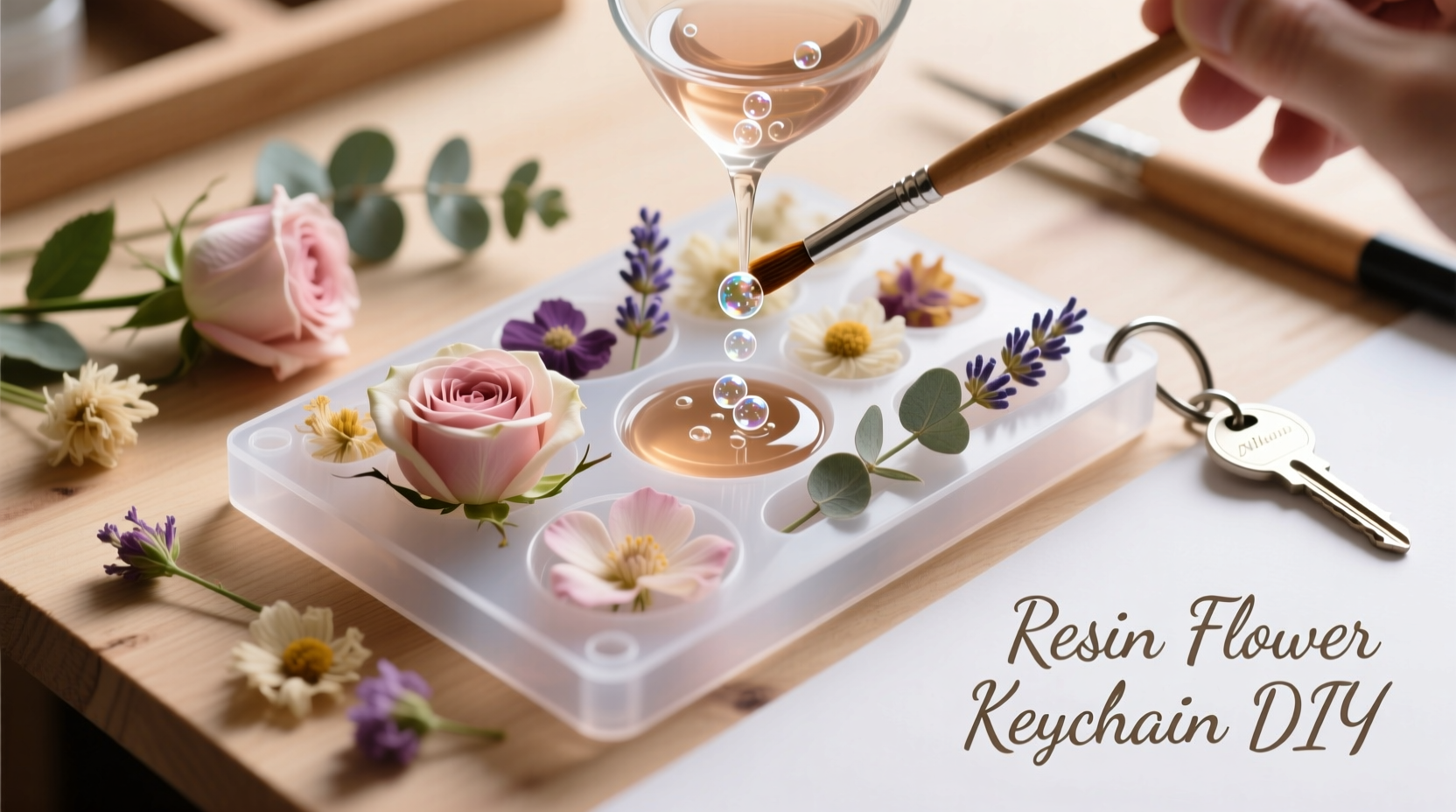
The foundation of a high-quality resin keychain lies in using the correct supplies. Not all resins are suitable for small crafts, and improper molds or additives can ruin an otherwise perfect piece.
Epoxy resin designed for jewelry making is ideal due to its low viscosity, bubble resistance, and self-leveling properties. Avoid polyester resins, which tend to yellow and shrink more over time. Pair your resin with silicone keychain molds—typically shaped as circles, hearts, or ovals—that allow easy release after curing.
For botanical elements, select small, flat flowers such as baby’s breath, pansies, lavender, or pressed daisies. Thick or overly moist petals may trap moisture and decay inside the resin. Always use fully dried flowers; fresh ones contain water that causes cloudiness and mold growth.
| Material | Recommended Choice | Avoid |
|---|---|---|
| Resin Type | Jewelry-grade epoxy (e.g., ArtResin, Little Windows) | Polyester resin, craft store “quick-set” formulas |
| Mold Type | Flexible silicone keychain molds | Rigid plastic or metal molds |
| Flowers | Fully dried, flat-petaled varieties | Fresh flowers, thick succulents |
| Additives | Resin-safe pigments or mica powders | Water-based food coloring, glitter with coatings |
Preparing Your Workspace and Flowers
Resin work demands cleanliness and organization. Dust, lint, and sudden temperature changes can compromise transparency and finish. Set up in a well-ventilated area away from direct sunlight and foot traffic. Cover surfaces with wax paper or silicone mats for easy cleanup.
Dried flowers should be stored in airtight containers until use to prevent humidity absorption. If pressing your own, place blooms between parchment paper inside a heavy book for 7–10 days. Once dry, gently trim stems and remove excess leaves to fit within mold cavities.
Before embedding, lightly seal fragile petals with a thin brush of diluted PVA glue (1 part glue to 3 parts water). This stabilizes delicate structures and reduces air pockets during pouring.
“Pre-drying and sealing botanicals is non-negotiable. Moisture is the number one cause of cloudy resin and microbial growth.” — Lila Chen, Resin Artist & Educator
Step-by-Step Process: From Mix to Mold
Follow this sequence carefully to produce flawless keychains with preserved floral detail.
- Measure resin precisely. Use digital scales to mix resin and hardener according to manufacturer instructions (usually 1:1 or 2:1 ratio). Inaccurate ratios lead to sticky, uncured results.
- Stir slowly for 3 minutes. Scrape sides and bottom of container to ensure complete blending without introducing excessive bubbles.
- Pour a thin base layer into each mold cavity. About 1/3 full. Let sit 2–3 minutes to allow bubbles to rise and pop naturally.
- Position your flower. Using tweezers, place the bloom face-down into the wet resin. Gently press to eliminate trapped air underneath.
- Pour second layer to fill mold. Slowly cover the flower completely, leaving just enough space to avoid overflow when adding the keyring loop.
- Insert eye pin or jump ring. Hold vertically in center until resin begins to thicken slightly (about 15–20 minutes).
- Cover and rest for 24 hours. Keep molds level and undisturbed in a warm (70–75°F), dust-free space.
- Demold gently. Flex silicone molds outward; do not pry with tools. Cure fully for 48–72 hours before handling.
Common Challenges and How to Solve Them
Even experienced crafters encounter issues like stickiness, cloudiness, or misaligned components. Most problems stem from environmental factors or procedural oversights.
- Cloudy resin: Caused by moisture in flowers or cold workspace. Ensure all botanicals are bone-dry and room temperature before use.
- Tacky surface after 72 hours: Indicates incomplete curing. Recheck mixing ratios and ambient temperature. Some resins need UV exposure to fully harden the top layer.
- Flower floating upward: Pour initial layer, let it set for 30 minutes (to a gel state), then add flower and final pour.
- Scratches post-demolding: Sand with 600-grit wet/dry paper followed by polishing compound for a glassy finish.
Mini Case Study: Sarah’s First Batch
Sarah, a hobbyist crafter in Portland, tried making lavender keychains using fresh garden clippings. After two days, she noticed dark spots forming inside the resin. Upon inspection, she realized the flowers still held residual moisture despite looking dry. She repeated the project with oven-dried lavender (low heat for 2 hours) and pre-sealed petals. The second batch cured perfectly clear, with vibrant purple hues locked in place. Her takeaway: never skip the drying verification step.
Finishing Touches and Long-Term Care
Once fully cured, inspect edges for roughness. Light sanding smooths imperfections without damaging clarity. For professional shine, apply a thin coat of resin gloss sealer or buff with a soft cloth.
Attach lobster clasps or split rings to the eye pin for functional use. Store finished keychains in padded boxes or fabric pouches to prevent scratches.
To maintain longevity, avoid prolonged sun exposure (which fades colors) and harsh chemicals like acetone or bleach. Clean with a damp microfiber cloth if needed.
FAQ
Can I use fake flowers instead of real ones?
Yes, silk or plastic flowers work well and don’t carry moisture risks. However, they lack the organic texture and translucency of real dried blooms. Choose high-quality replicas with thin petals for best visual effect.
How long do resin keychains last?
With proper formulation and care, they can remain clear and intact for 5–10 years or more. UV-resistant resins prevent yellowing, especially important for items carried outdoors.
Is resin safe to use at home?
Yes, when handled correctly. Work in a ventilated space, wear nitrile gloves and a mask during mixing, and keep pets and children away from uncured resin. Once cured, epoxy resin is inert and non-toxic.
Checklist: Crafting Resin Flower Keychains
- ✔ Gather silicone molds, jewelry-grade epoxy resin, and dried flowers
- ✔ Prepare clean, dust-free workspace with ventilation
- ✔ Measure and mix resin accurately using digital scale
- ✔ Pour thin base layer and let sit 2–3 minutes
- ✔ Place dried flower carefully with tweezers
- ✔ Fill mold with second resin layer and insert jump ring
- ✔ Cover and cure undisturbed for 48–72 hours
- ✔ Demold gently and inspect for clarity
- ✔ Sand and polish if necessary
- ✔ Attach hardware and store properly
Final Thoughts
Creating resin flower keychains is a meditative and rewarding craft that turns fleeting natural beauty into wearable art. Each piece carries a story—whether it’s a bloom from a wedding bouquet, a wildflower from a hike, or a gift made with intention. With attention to detail and respect for the material, you’ll produce heirloom-quality accessories that spark joy every time they jingle.




 浙公网安备
33010002000092号
浙公网安备
33010002000092号 浙B2-20120091-4
Comments
No comments yet. Why don't you start the discussion?