
Creating your own tassel keychains is a simple yet rewarding craft that blends creativity with functionality. These small accessories can personalize everyday items like keys, backpacks, or zippers while reflecting your unique style. With just a few basic supplies and some patience, you can design elegant, bohemian, or playful tassels in any color combination. This guide walks through the entire process—from gathering materials to attaching the final charm—so even complete beginners can create professional-looking results.
Gathering Your Materials and Tools
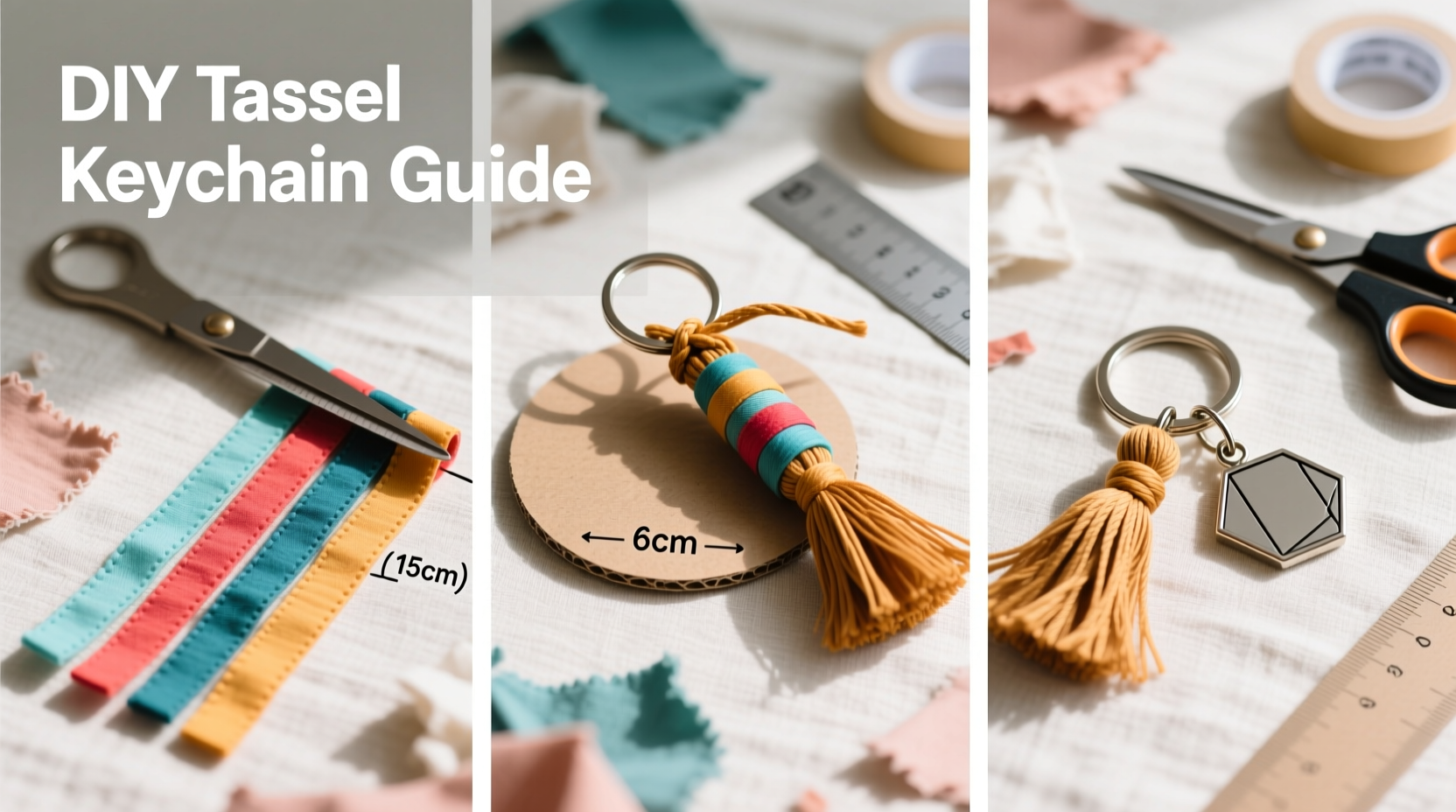
The beauty of making tassel keychains lies in their simplicity. Most required items are affordable and widely available at craft stores or online. Before beginning, assemble everything you’ll need to avoid interruptions mid-project.
- Yarn or embroidery floss: Choose colors and textures that match your aesthetic. Embroidery floss offers vibrant hues and smooth finish; wool or cotton yarn gives a chunkier, cozier look.
- Keychain rings or lobster clasps: Metal rings (typically 25mm) allow easy attachment and durability.
- Scissors: Sharp fabric scissors ensure clean cuts without fraying.
- Cardboard or a tassel maker: A small rectangular piece of cardboard (about 3x5 inches) helps maintain consistent size when wrapping yarn.
- Tape or glue (optional): A tiny drop of fabric glue secures knots and prevents unraveling over time.
- Beads or charms (optional): Add personality with wooden beads, metal pendants, or seasonal decorations.
Step-by-Step Tassel Creation Process
Follow this clear sequence to form a neat, well-shaped tassel every time. Precision during wrapping and trimming ensures a polished outcome.
- Prepare the cardboard template: Cut a rectangle approximately 3 inches long and 1 inch wide. The length determines how long your tassel will be.
- Wrap the yarn: Hold one end of the yarn against the short edge of the cardboard. Wrap it around the length of the rectangle repeatedly—about 50 times for a full tassel. More wraps equal a denser tassel.
- Secure the top: Slide the wrapped yarn off the cardboard. Tie a separate piece of yarn tightly around the top third of the bundle to form the tassel’s neck. Knot securely.
- Cut the bottom loops: Carefully cut through the looped ends at the opposite side of the bundle. This creates the flowing strands of the tassel.
- Trim for evenness: Lay the tassel flat and use sharp scissors to straighten the ends. You can shape them blunt, angled, or slightly rounded depending on preference.
- Add a cap (optional): For a refined finish, wrap a thin strip of contrasting yarn around the neck just below the knot to hide loose threads.
Attaching the Keychain Hardware
Now that your tassel is shaped, it's time to make it functional. Proper attachment ensures the keychain stays secure during daily use.
- Cut a 6-inch piece of strong thread or thin cord.
- Thread it through a needle and pass it through the top knot of the tassel, emerging near the neck.
- Loop the cord through the keychain ring and pull both ends back through the tassel base.
- Knot tightly inside the body of the tassel to conceal the hardware connection.
- Trim excess thread and apply a tiny dab of fabric glue to lock the knot in place.
“Handmade tassels aren’t just decorative—they carry intention. Each wrap is a moment of focus, and each color choice reflects mood and memory.” — Lila Nguyen, Textile Artist & Craft Educator
Design Variations and Creative Ideas
Once you’ve mastered the basic technique, explore variations to elevate your designs. Personalization transforms a simple craft into wearable art.
| Variation | Description | Ideal For |
|---|---|---|
| Ombre Tassels | Use gradient yarn or blend two shades gradually during wrapping. | Gifts, spring themes |
| Braided Tassels | Divide finished tassel into three sections and braid the lower half. | Boho-chic styles |
| Multicolor Stripes | Alternate colors every 10 wraps for bold horizontal bands. | Festive occasions |
| Mini Tassels | Use smaller cardboard and fewer wraps for delicate versions. | Jewelry, zipper pulls |
| Eco-Tassels | Make from upcycled fabric strips or old clothing fibers. | Sustainable crafting |
A Real Beginner’s Experience
Sophie, a college student new to crafting, decided to make tassel keychains for her roommates as welcome gifts. She started with basic embroidery floss in pastel tones, following an online tutorial. Her first attempt was uneven—one side longer than the other—but after adjusting her wrapping tension and using a ruler to guide trimming, her second tassel looked store-bought. She added small gold beads above the knot for elegance and used silver rings for durability. “I didn’t think I could make something so cute,” she said. “Now I want to try making matching ones for my phone and journal.”
Essential Do’s and Don’ts
Avoid common pitfalls with these practical guidelines. Attention to detail makes a noticeable difference in quality.
| Do’s | Don’ts |
|---|---|
| Count your wraps for consistency across multiple tassels. | Don’t pull too hard when tying the neck—this can distort shape. |
| Use sharp scissors for clean, even trims. | Don’t skip securing knots with glue, especially if used frequently. |
| Experiment with mixing yarn types (e.g., metallic thread accents). | Don’t use stretchy or slippery threads without testing hold. |
| Store finished tassels flat or hung to preserve fluffiness. | Don’t wash tassels in machines—spot clean only if needed. |
Frequently Asked Questions
How long does it take to make one tassel keychain?
For a beginner, expect 15–25 minutes per tassel, including cutting, wrapping, and assembly. With practice, the process becomes faster—some crafters complete one in under 10 minutes.
Can I use regular thread instead of embroidery floss?
Yes, but standard sewing thread is thinner and may require many more wraps to achieve volume. Embroidery floss is recommended because it’s thicker, colorfast, and easier to handle.
Are tassel keychains durable enough for daily use?
When made with quality materials and secured properly, they are surprisingly resilient. Avoid constant exposure to moisture or rough surfaces, and inspect knots periodically for wear.
Final Checklist Before You Begin
Ensure you’re fully prepared with this quick-reference checklist:
- ☐ Yarn or embroidery floss in chosen colors
- ☐ Cardboard cutout or tassel tool
- ☐ Sharp scissors
- ☐ Keychain rings or clips
- ☐ Strong thread or cord for attachment
- ☐ Fabric glue (small bottle)
- ☐ Optional: beads, charms, tape measure
Start Crafting Today
There’s something deeply satisfying about holding a handmade accessory you created from scratch. Tassel keychains are not only stylish but also serve as thoughtful, personal gifts or meaningful additions to your own everyday carry. The skills you gain—measuring, wrapping, knotting—build confidence for more advanced fiber crafts down the line. Whether you prefer minimalist monochrome or rainbow vibrancy, there’s no wrong way to express yourself through tassels.




 浙公网安备
33010002000092号
浙公网安备
33010002000092号 浙B2-20120091-4
Comments
No comments yet. Why don't you start the discussion?