
A bedroom should be more than just a place to sleep—it should be a sanctuary. Yet, many people overlook the profound impact their sleeping environment has on rest quality, stress levels, and overall well-being. The good news? You don’t need a luxury renovation or designer furnishings to create a peaceful retreat. With thoughtful choices and strategic tweaks, you can cultivate a serene bedroom atmosphere without straining your wallet.
This guide walks through practical, cost-effective steps to transform your bedroom into a calming haven. From lighting adjustments to mindful decluttering, every suggestion is designed to maximize tranquility while minimizing expense.
1. Declutter for Mental Clarity
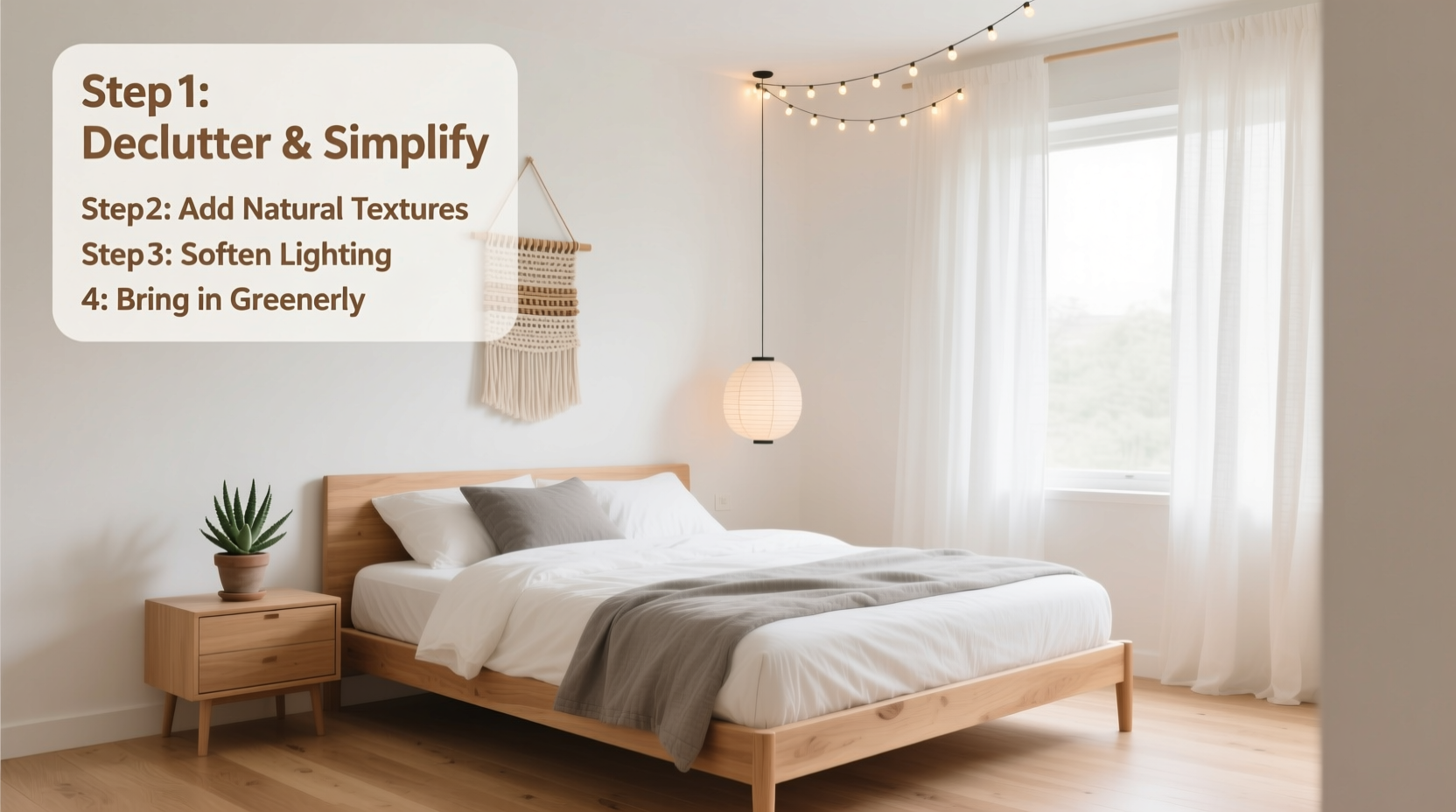
Clutter doesn’t just occupy physical space—it burdens mental space. Research from Princeton University Neuroscience Institute shows that visual clutter competes for attention, increasing cognitive overload and stress. A clean, organized room supports relaxation and signals the brain that it’s safe to unwind.
Start with a focused purge: go through clothing, books, electronics, and unused items. Keep only what you use regularly or brings genuine comfort. Use storage bins or under-bed containers to tuck away essentials neatly. Avoid stacking items on nightstands or dressers; these surfaces should remain mostly clear.
Consider adopting a “one in, one out” rule: whenever you bring something new into the bedroom, remove an old item. This prevents future clutter buildup and maintains balance.
2. Optimize Lighting for Relaxation
Lighting plays a critical role in regulating circadian rhythms. Harsh overhead lights disrupt melatonin production, making it harder to fall asleep. To promote calmness, shift toward warm, dimmable, and layered lighting.
Replace bright white bulbs (above 4000K) with warm-toned ones (2700K–3000K). These mimic sunset hues and help signal the body that it's time to wind down. Use floor lamps, table lamps, or string lights instead of ceiling fixtures for softer illumination.
If bedside lamps aren't available, inexpensive options like clip-on reading lights or battery-powered LED strips offer flexibility. Place lights at lower levels—below eye level—to reduce glare and enhance coziness.
“Evening light exposure is one of the most powerful influences on sleep quality. Dimming lights two hours before bed can significantly improve sleep onset.” — Dr. Rebecca Hall, Sleep Scientist
DIY Lighting Upgrade Checklist
- Swap cool-white bulbs for warm-white LEDs
- Add a small lamp to each side of the bed
- Use smart bulbs or plug-in timers for automated dimming
- Install tape or fairy lights behind headboards or along walls
- Avoid screens emitting blue light after 8 PM
3. Choose Soothing Colors and Textures
Color psychology confirms that certain hues influence mood. Cool tones like soft blues, muted greens, and warm grays are linked to reduced heart rate and lower anxiety. Even if repainting isn’t feasible, you can introduce calming colors through textiles and accessories.
Replace bold or chaotic bedding with neutral, earthy palettes. Look for secondhand duvet covers or pillowcases in linen, cotton, or bamboo blends—they’re breathable, gentle on skin, and add tactile serenity.
Layer textures thoughtfully. A chunky knit throw, woven basket, or soft rug underfoot introduces warmth and depth. These elements make the room feel inviting without visual noise.
| Color Tone | Emotional Effect | Budget-Friendly Application |
|---|---|---|
| Soft Blue | Promotes calm, lowers blood pressure | Bedding, curtains, painted picture frames |
| Warm Gray | Neutral, grounding, modern | Rug, throw pillows, wall art matting |
| Muted Sage Green | Restorative, nature-connected | Plants, towels, accent cushions |
| Cream/Beige | Softens space, adds airiness | Sheets, lampshades, drawer liners |
4. Introduce Natural Elements
Nature has an innate ability to soothe. Biophilic design—the practice of incorporating natural elements into interiors—has been shown to reduce stress and improve focus. Even small touches can elevate a bedroom’s ambiance.
Houseplants are among the most accessible additions. Snake plants, pothos, and peace lilies thrive in low light and purify indoor air. Start with one or two affordable specimens from a local nursery or swap with friends.
Open windows when weather permits to invite fresh air and natural sounds. If outdoor noise is disruptive, consider a small tabletop fountain or a white noise app playing forest or ocean sounds at low volume.
Wooden accents—like a reclaimed wood shelf, driftwood decor, or bamboo blinds—add organic texture. Thrift stores often carry wooden picture frames or trays that can be repurposed as nightstand organizers.
Mini Case Study: Maria’s Minimalist Makeover
Maria, a freelance writer in Portland, struggled with insomnia and restless nights. Her bedroom was functional but uninspired: dark curtains, mismatched furniture, and a cluttered desk in the corner. After reading about biophilic design, she decided to experiment.
She cleared her desk and moved work materials to another room. She added a $12 snake plant from a garden center, swapped heavy drapes for sheer linen curtains, and placed a secondhand oak stool by the window as a reading nook. Within two weeks, she reported falling asleep faster and waking less during the night. “It feels like my room finally breathes,” she said. “I didn’t spend much, but the change is huge.”
5. Control Noise and Sound Environment
Noise pollution—whether traffic, neighbors, or household sounds—can fragment sleep and prevent deep relaxation. Addressing sound doesn’t require expensive soundproofing.
Begin by identifying noise sources. If outside noise is the issue, hang thick curtains or use draft stoppers at door bases. Layering fabric absorbs sound better than bare walls.
For internal noise, establish quiet habits: charge phones outside the bedroom, silence notifications, and avoid loud electronics late at night. Use earplugs if necessary—foam varieties cost less than a dollar per pair and come in reusable silicone versions.
Alternatively, introduce positive soundscapes. Free apps like Insight Timer or MyNoise offer customizable ambient tracks—rainfall, crickets, gentle piano—that mask disruptive sounds. Play them through a phone or a basic Bluetooth speaker placed away from the bed.
“Sound is often overlooked in bedroom design, yet it’s as important as light. A consistent, gentle background tone can act like auditory insulation.” — Lena Torres, Environmental Psychologist
Do’s and Don’ts: Managing Bedroom Sound
| Do | Don’t |
|---|---|
| Use soft textiles to absorb echoes | Place mirrors opposite noisy areas |
| Play low-volume nature sounds at bedtime | Watch TV or use speakers loudly before sleep |
| Keep windows closed during peak traffic hours | Allow appliances with humming motors in the room |
| Try noise-dampening rugs or wall hangings | Ignore persistent creaks or drafts that create sound |
6. Enhance Scent for Emotional Comfort
The olfactory system is directly linked to the limbic system, which governs emotions and memory. Pleasant scents can evoke feelings of safety and relaxation. However, synthetic air fresheners often contain irritants. Instead, opt for natural, subtle fragrance solutions.
A few drops of lavender or chamomile essential oil on a cotton ball, tucked into a drawer or placed near a vent, provide gentle aroma. Reed diffusers made with carrier oils and essential oils last weeks and cost under $15. Simmer pots—boiling citrus peels, cinnamon sticks, and cloves—are free and fill the room with comforting warmth.
7. Establish a Bedtime Ritual
Ambiance isn’t just physical—it’s behavioral. Your nightly routine shapes how your mind associates the bedroom. Consistent rituals condition the brain to transition smoothly from alertness to rest.
Create a 30- to 45-minute wind-down sequence: turn off screens, dim lights, sip herbal tea, journal briefly, or stretch gently. Perform these actions in the same order each night. Over time, they become cues for relaxation.
Keep digital distractions out of reach. Charge devices in another room or use a dedicated charging station outside the bedroom. This reduces temptation and eliminates standby lights that disrupt darkness.
Step-by-Step Evening Routine Timeline
- 8:30 PM: Begin dimming lights and closing blinds
- 8:45 PM: Turn off TVs, tablets, and computers
- 9:00 PM: Brew caffeine-free tea (chamomile, passionflower)
- 9:10 PM: Light a candle or diffuse calming scent
- 9:20 PM: Journal three things you’re grateful for or jot down tomorrow’s priorities
- 9:30 PM: Gentle stretching or breathing exercises (4–7–8 method)
- 9:45 PM: Get into bed with a book (no backlit e-readers)
- 10:00 PM: Lights out, focus on slow breathing
8. Frequently Asked Questions
Can I create a calming bedroom without buying anything?
Absolutely. Many effective changes are free: decluttering, rearranging furniture for better flow, opening windows for fresh air, establishing a screen-free bedtime routine, and using natural light during the day. Mindset and consistency matter more than purchases.
What if I share the bedroom with someone who has different preferences?
Compromise is key. Focus on shared fundamentals: keeping the space tidy, minimizing electronics, and agreeing on a sleep schedule. Use individual solutions where needed—like separate blankets, eye masks, or earplugs. Open communication ensures both partners feel respected and comfortable.
How long does it take to notice a difference?
Many people report improved sleep within 3–7 days of implementing even two or three changes, especially reducing screen time and improving lighting. Full environmental integration takes 2–4 weeks, but small wins build momentum quickly.
Final Thoughts: Small Changes, Lasting Peace
Creating a calming bedroom doesn’t demand perfection or high costs. It’s about intentionality—choosing simplicity over stimulation, comfort over clutter, and stillness over speed. Each adjustment, no matter how minor, contributes to a deeper sense of safety and rest.
You don’t need to overhaul everything at once. Start with one area—declutter your nightstand, replace a bulb, or introduce a plant. Build from there. Over time, these small acts compound into a space that truly nurtures you.




 浙公网安备
33010002000092号
浙公网安备
33010002000092号 浙B2-20120091-4
Comments
No comments yet. Why don't you start the discussion?