
In an age where smartphones are nearly inseparable from our hands, finding ways to keep them secure without sacrificing convenience is essential. A custom detachable phone lanyard offers the perfect balance: it keeps your device within reach while allowing quick disconnection when needed—ideal for taking photos, entering crowded spaces, or placing your phone on a table. Unlike mass-produced options, a handmade lanyard can be tailored to your style, strength preferences, and usage habits. This guide walks you through designing and assembling a durable, functional, and aesthetically pleasing lanyard using accessible materials and tools.
Why Build Your Own Detachable Lanyard?
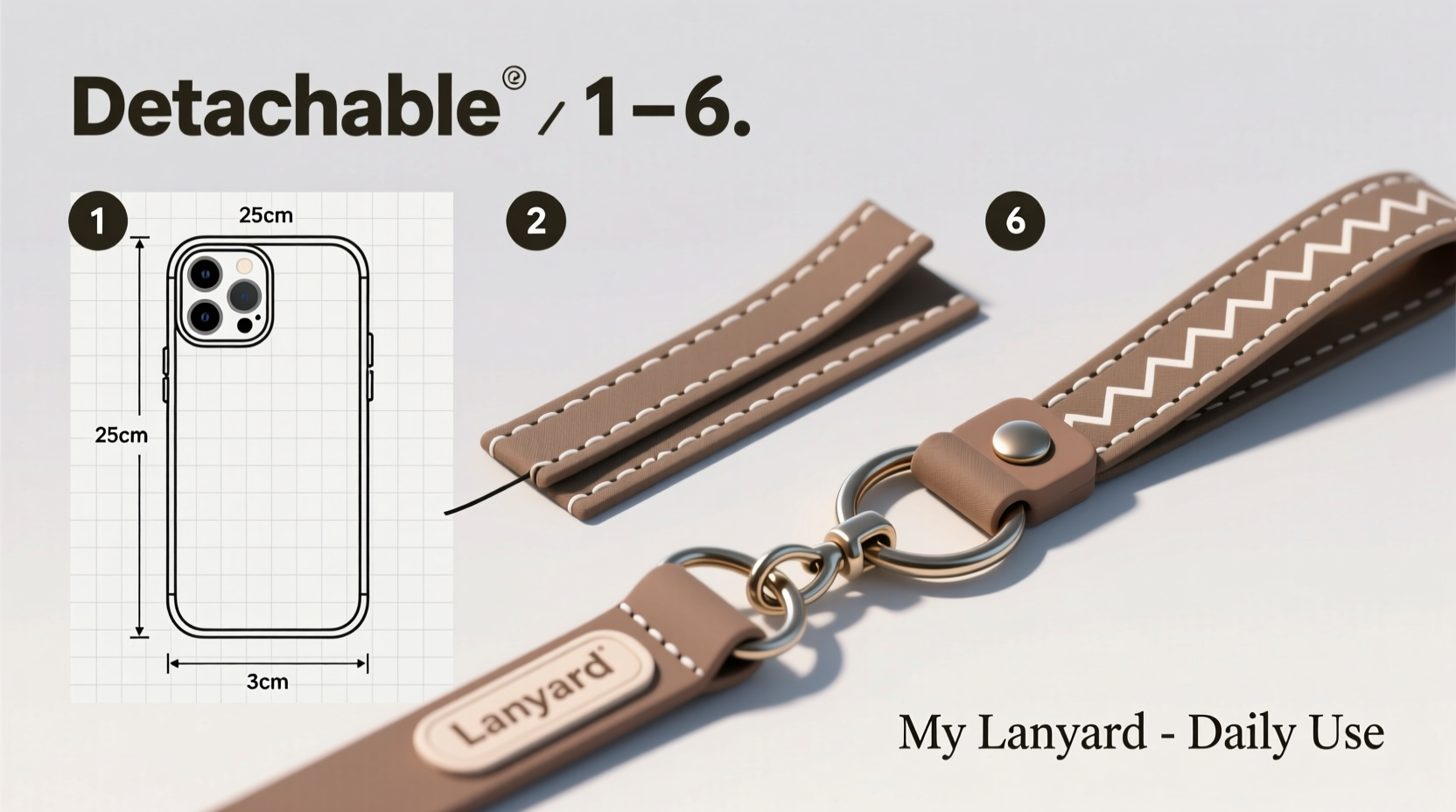
Prefab lanyards often fall short in durability, design flexibility, or compatibility with modern phone cases. Many snap under tension or lack a reliable release mechanism. By building your own, you control every aspect: material strength, length, attachment method, and aesthetics. Whether you're commuting, traveling, or simply moving around the office, a well-designed lanyard reduces drop risks and enhances peace of mind.
“Personalization isn’t just about looks—it’s about function. The right lanyard should feel like an extension of your daily carry.” — Jordan Lin, Urban Gear Designer
Materials and Tools You’ll Need
Selecting high-quality components ensures longevity and safety. Below is a curated list of recommended supplies:
| Component | Recommended Options | Avoid |
|---|---|---|
| Webbing or Cord | Nylon paracord (4mm), seatbelt webbing (1-inch width) | Elastic cord, thin shoelaces |
| Attachment Hardware | Swivel trigger clip, carabiner, or lobster clasp | Plastic clips, flimsy key rings |
| Phone Connector | Magnetic breakaway connector (3–5 lb pull strength) | Rigid loops, non-detachable links |
| Stitching Thread | Bonded nylon thread (Tex 70 or higher) | Cotton thread, embroidery floss |
| Tools | Needle, pliers, lighter, ruler, sewing awl | Scissors only (risk fraying) |
Step-by-Step Assembly Process
Follow this sequence to build a secure, detachable lanyard that withstands daily wear.
- Measure and Cut the Webbing
Determine desired length based on how you plan to wear it. For neck carry: 32–36 inches total (adjust for height). For wrist or shoulder: 18–24 inches. Cut one continuous piece, adding 2 inches extra for folding and stitching at both ends. - Create Reinforced End Loops
Fold each end back 1 inch and secure with two parallel rows of stitching. Backstitch at start and finish for added strength. If using webbing, punch holes with an awl before sewing to reduce fabric resistance. - Attach the Breakaway Connector
Connect one half of the magnetic snap (or quick-release buckle) to one end loop using a metal split ring or directly threading through if designed for it. Ensure no sharp edges contact the cord. - Install the Phone-Side Connector
Attach the mating half of the breakaway component to a sturdy phone case loop, belt D-ring adapter, or adhesive-backed loop mounted securely on your case. Test alignment so connection snaps easily. - Add the Carrying Clip
On the opposite end, attach a swivel trigger clip or carabiner. Swivel joints prevent twisting during movement. Secure with a split ring or rivet if permanent. - Test Tension and Release Function
Gently pull the connected ends apart. The magnetic or breakaway link should separate at moderate force (around 3–5 lbs), preventing strain on your phone or clothing.
Design Considerations for Real-World Use
Your lanyard must perform reliably across environments—from subway rides to outdoor events. Consider these factors when finalizing your build:
- Length Adjustability: Incorporate sliding knots or ladder locks for on-the-fly adjustments between neck, wrist, and crossbody carry.
- Weight Distribution: Thicker webbing spreads pressure more evenly than thin cords, reducing neck strain.
- Breakaway Safety: Always include a low-tension release point. Rigid connections risk injury if snagged on machinery, doors, or playground equipment.
- Aesthetic Customization: Braid multiple colored paracords, add woven patterns, or stitch initials for personal flair.
Real-World Example: Commuter Adaptation
Sarah, a transit nurse in Chicago, frequently moves between ambulances, hospitals, and supply rooms. She built a 30-inch lanyard using black 1-inch nylon webbing with silver hardware and a 4-lb magnetic breakaway. The shorter length keeps her phone from swinging excessively during fast walks, while the detachable feature lets her place it on counters during patient intake without removing the entire strap. After six months of daily use, the lanyard remains intact, and she credits it with preventing at least three potential drops near stairwells.
Checklist: Before You Wear It Daily
- ✅ Strong, double-stitched end loops
- No loose threads or weak seams visible.
- ✅ Functional breakaway mechanism
- Separates cleanly under moderate pull; reattaches smoothly.
- ✅ Secure attachment to phone case
- Connector won’t twist off or loosen over time.
- ✅ Comfortable length and weight
- No sagging, chafing, or imbalance when worn.
- ✅ Tested in real scenarios
- Tried walking, reaching, sitting, and detaching mid-motion.
Frequently Asked Questions
Can I use this with any phone case?
Most cases with a lanyard loop, kickstand, or compatible MagSafe-style ring work well. For smooth cases, use an adhesive-backed metal disc or reinforced loop accessory designed for lanyards. Avoid gluing directly to glass or plastic backs unless using industrial-grade adhesives.
Is a magnetic breakaway safe around electronics?
Yes—small rare-earth magnets used in breakaway connectors pose minimal risk to modern smartphones. They do not affect internal storage or sensors under normal use. However, keep strong magnets away from credit cards, pacemakers, and older medical devices.
How often should I inspect my lanyard?
Check weekly for signs of wear: frayed stitching, weakened magnets, or stretched webbing. Replace immediately if any component shows fatigue. High-use environments (e.g., construction, healthcare) may require biweekly replacements.
Final Thoughts and Next Steps
A custom detachable phone lanyard is more than an accessory—it's a practical tool that enhances both security and usability. With thoughtful material selection and careful construction, you create something far superior to off-the-shelf versions. The process takes less than an hour once you have the parts, and the result is a personalized solution built to match your lifestyle.




 浙公网安备
33010002000092号
浙公网安备
33010002000092号 浙B2-20120091-4
Comments
No comments yet. Why don't you start the discussion?