
In a world saturated with fast fashion and endless trends, many are turning to minimalism—not as a sacrifice, but as a form of self-expression. A minimalist capsule wardrobe is more than just a collection of neutral basics; it’s a curated selection of clothing that aligns with your lifestyle, values, and aesthetic. The goal isn’t uniformity or blandness—it’s intentionality. When done right, a capsule wardrobe reduces decision fatigue, saves money, and actually allows your personality to shine through consistency and quality.
The key challenge? Avoiding the trap of minimalism becoming too generic. Many people build capsules filled with beige tees and black trousers, only to feel disconnected from their clothes. True success lies in crafting a wardrobe that’s both simple and deeply personal. This guide walks you through how to do exactly that—step by step.
Understanding the Capsule Wardrobe: Simplicity with Soul
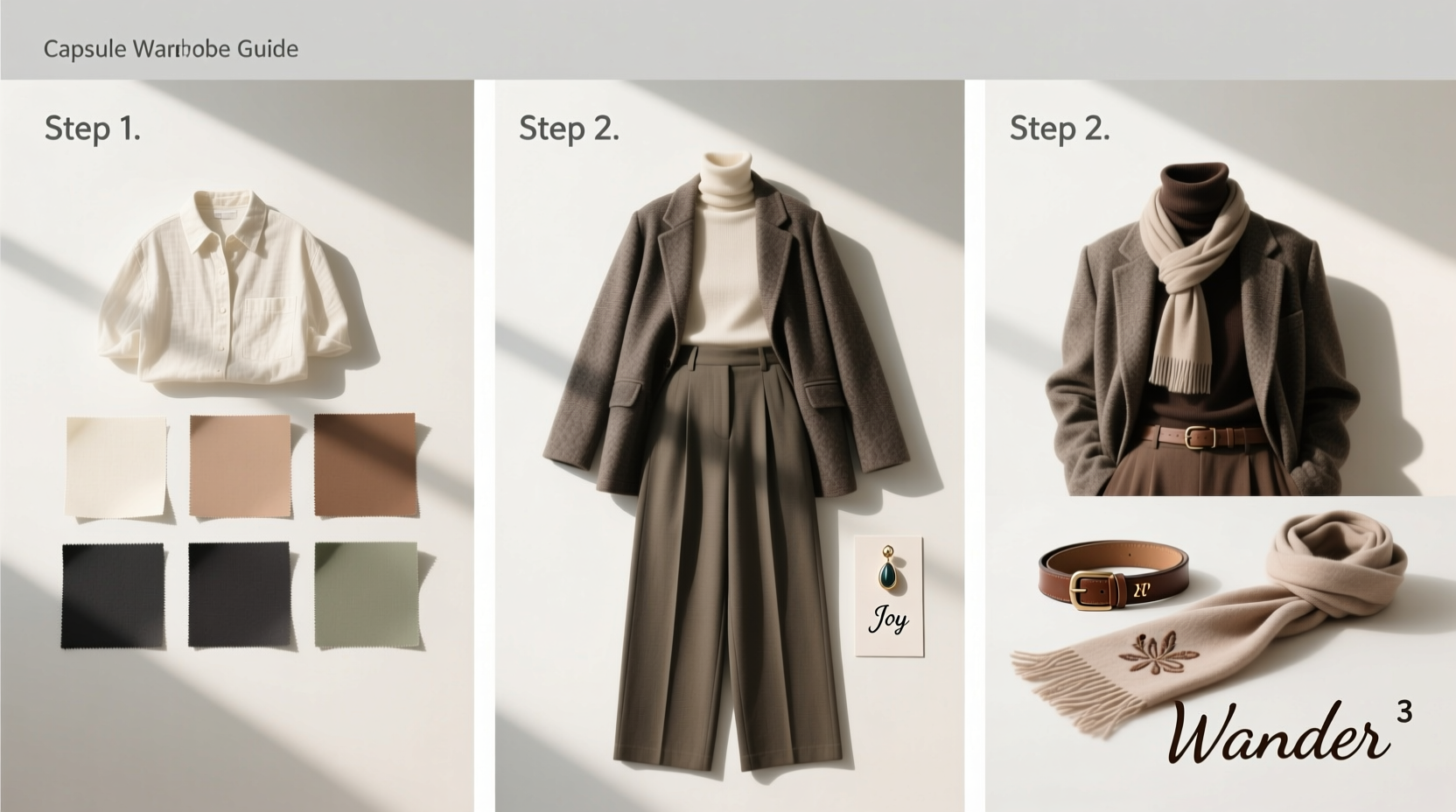
A capsule wardrobe typically consists of 30–40 versatile pieces designed to mix and match seamlessly across a season. The concept originated in the 1970s with designer Susie Faux, but gained widespread popularity through Donna Karan’s “seven easy pieces” philosophy. Modern interpretations emphasize sustainability, timelessness, and functionality.
But minimalism doesn’t mean monotony. Your wardrobe should reflect who you are—whether that’s bold, artistic, professional, or effortlessly casual. The aim is to reduce clutter without sacrificing identity. Instead of owning 100 items worn once, you own 35 pieces you love wearing repeatedly.
“Minimalism is not about having less. It’s about making room for more of what matters.” — Joshua Fields Millburn, The Minimalists
Step-by-Step Process to Build Your Personalized Capsule
Creating a meaningful capsule wardrobe takes reflection, editing, and strategic planning. Follow this five-phase process to build one that truly fits your life and style.
Phase 1: Audit Your Current Wardrobe
Begin by removing everything from your closet. Yes, everything. Lay out each item and sort them into three piles:
- Loved & Worn Regularly – These make you feel confident and comfortable.
- Sometimes Worn – You wear these occasionally but don’t reach for them often.
- Neglected – Items you haven’t worn in over six months.
Pay attention to patterns. Which colors, silhouettes, or fabrics do you gravitate toward? What outfits make you feel most like yourself? Note any emotional reactions—some pieces carry memories or confidence, even if they’re not “trendy.”
Phase 2: Define Your Style Identity
This is where personalization begins. Ask yourself:
- How would I describe my ideal day in terms of comfort and expression?
- What adjectives define my style? (e.g., relaxed, polished, creative, structured)
- Which influencers, characters, or real-life people inspire my look?
- Do I prefer soft textures or crisp lines? Earth tones or jewel colors?
Create a mood board using Pinterest or a physical collage. Include not just clothes, but environments, art, and even scents. This helps uncover deeper preferences beyond surface-level trends.
For example, someone working remotely might identify with “cozy intellectual”—favoring wool sweaters, tailored loungewear, and muted greens. Another person in creative marketing may lean into “playful sophistication,” mixing bold prints with classic blazers.
Phase 3: Establish Your Core Essentials
Now, define your foundational pieces—items that will serve as the backbone of your capsule. These should be high-quality, timeless, and adaptable.
A typical core includes:
- Two pairs of jeans (straight-leg and dark wash)
- One tailored blazer
- Three neutral tops (white, black, gray)
- One versatile dress or jumpsuit
- Comfortable walking shoes
- A classic coat (trench, wool, or chore jacket)
- One statement piece (colored sweater, patterned scarf, unique bag)
The exact number depends on your climate and routine. Urban professionals may need more formal options; parents may prioritize durable, washable fabrics.
Phase 4: Curate with Intention
Select only items that meet all three criteria:
- Function: Does it suit your daily activities?
- Fit: Is it flattering and comfortable?
- Emotion: Do you genuinely enjoy wearing it?
Limit your final count to 35–40 pieces, including tops, bottoms, dresses, outerwear, and shoes (excluding undergarments and workout wear). Accessories can be added separately—3–5 key pieces often suffice.
When layering, ensure every new addition can pair with at least three existing items. For instance, a camel cardigan should work with your jeans, midi skirt, and tailored pants.
Phase 5: Maintain and Rotate Seasonally
Your capsule isn’t static. Every 3–4 months, reassess based on weather, schedule changes, or evolving tastes. Swap in seasonal items (light linen shirts, boots) while storing others properly.
Store off-season clothes in breathable cotton bags or drawers, away from moisture. Label bins clearly so retrieval is easy. This keeps your active wardrobe manageable and fresh.
Designing Personality Into Minimalism
Minimalism gets criticized for being soulless, but that stems from misunderstanding. A well-built capsule uses restraint to amplify individuality. Here’s how to infuse character without clutter.
Choose a Signature Color or Texture
Instead of relying on logos or loud graphics, anchor your wardrobe around a distinctive hue—deep burgundy, olive green, or cobalt blue. Use it across multiple pieces: a sweater, handbag, or silk scarf. This creates cohesion while standing out subtly.
Incorporate Thoughtful Details
Look for garments with unique stitching, asymmetrical cuts, or interesting buttons. A black turtleneck with contrast ribbing or a trench coat with hidden lining adds depth without breaking simplicity.
Leverage Accessories Strategically
A single handmade ceramic brooch, vintage watch, or woven belt can transform an outfit. Keep accessories minimal but meaningful—each should tell part of your story.
Allow Room for Evolution
Your style will shift. Maybe you start embracing more tailoring, or discover a love for earthy linen. Update your capsule gradually. Replace worn items with pieces that reflect your current self, not past expectations.
“Your wardrobe should be a reflection of who you are now, not who you were trying to become.” — Matilda Kahl, Stylist & Founder of Professional Dressing
Mini Case Study: From Overwhelmed to Intentional
Sophie, a 34-year-old graphic designer in Portland, owned over 120 clothing items but felt she had “nothing to wear.” Her closet was a mix of fast-fashion impulse buys, outdated office wear, and forgotten concert tees.
After completing the audit phase, she discovered she wore only 28 pieces regularly—mostly black, gray, and navy with occasional mustard accents. She loved texture: brushed cotton, ribbed knits, and raw denim.
She built a 36-piece capsule centered around those preferences. Key additions included:
- An oversized oatmeal-colored wool coat
- A rust-toned silk blouse for client meetings
- Custom-fit black trousers from a local tailor
- A sculptural wooden bangle gifted by her sister
Within two weeks, Sophie reported spending 70% less time choosing outfits and feeling more confident. “I’m not hiding behind clothes anymore,” she said. “They finally feel like me.”
Do’s and Don’ts of Capsule Building
| Do | Don't |
|---|---|
| Start with what you already love and wear | Build a capsule based solely on Instagram aesthetics |
| Invest in quality fabrics (linen, merino, organic cotton) | Buy “basics” that feel cheap or uncomfortable |
| Include one joyful piece per season (a printed shirt, red shoes) | Fear color or pattern in the name of minimalism |
| Wash and care for clothes properly to extend lifespan | Ignore garment labels and damage delicate materials |
| Reassess every 3 months with honesty | Hold onto items “just in case” |
Frequently Asked Questions
Can I have more than one capsule?
Absolutely. Some people maintain separate capsules for work, weekends, or travel. Others rotate between seasonal capsules. The structure is flexible—what matters is clarity and usability.
Isn’t minimalism expensive because of quality?
Initially, yes—investment pieces cost more. But over time, you save significantly by buying less and replacing rarely. One $150 pair of ethically made jeans worn 100 times costs $1.50 per wear. Compare that to five $40 pairs worn five times each ($4 per wear).
What if my job requires varied attire?
Tailor your capsule to your actual schedule. If you present clients twice a week, include two elevated outfits. The rest can be smart-casual or remote-friendly. Focus on versatility—blazers that go from Zoom calls to dinners, dresses that layer with boots.
Final Checklist: Building Your Personal Capsule
Use this checklist to stay on track:
- ✅ Completed full wardrobe audit and declutter
- ✅ Identified 3–5 style adjectives that represent you
- ✅ Selected 5–7 core neutral pieces for mixing
- ✅ Chosen 1–2 signature colors or textures
- ✅ Added 1–2 expressive items (print, cut, accessory)
- ✅ Ensured every item pairs with at least three others
- ✅ Stored off-season clothes properly
- ✅ Scheduled next review in 90 days
Conclusion: Your Wardrobe, Your Voice
A minimalist capsule wardrobe isn’t about fitting into a trend—it’s about stepping into alignment. When your clothes reflect your true preferences, dressing becomes effortless and empowering. You stop chasing novelty and start embodying consistency.
Start small. Pull out your clothes. Ask honest questions. Keep what brings value—functionally and emotionally. Build a collection that supports your days and expresses your essence. Over time, you’ll find that having fewer choices doesn’t limit you; it liberates you.




 浙公网安备
33010002000092号
浙公网安备
33010002000092号 浙B2-20120091-4
Comments
No comments yet. Why don't you start the discussion?