
Creating a Google Account is the gateway to accessing Gmail, Google Drive, YouTube, Android services, and dozens of other tools that shape modern digital life. While the process appears straightforward, doing it correctly—especially with security in mind—can prevent future issues like data loss, phishing attacks, or unauthorized access. This comprehensive guide walks you through every essential step, highlights common pitfalls, and provides actionable strategies to ensure your new account remains both functional and protected.
Why a Secure Google Account Matters
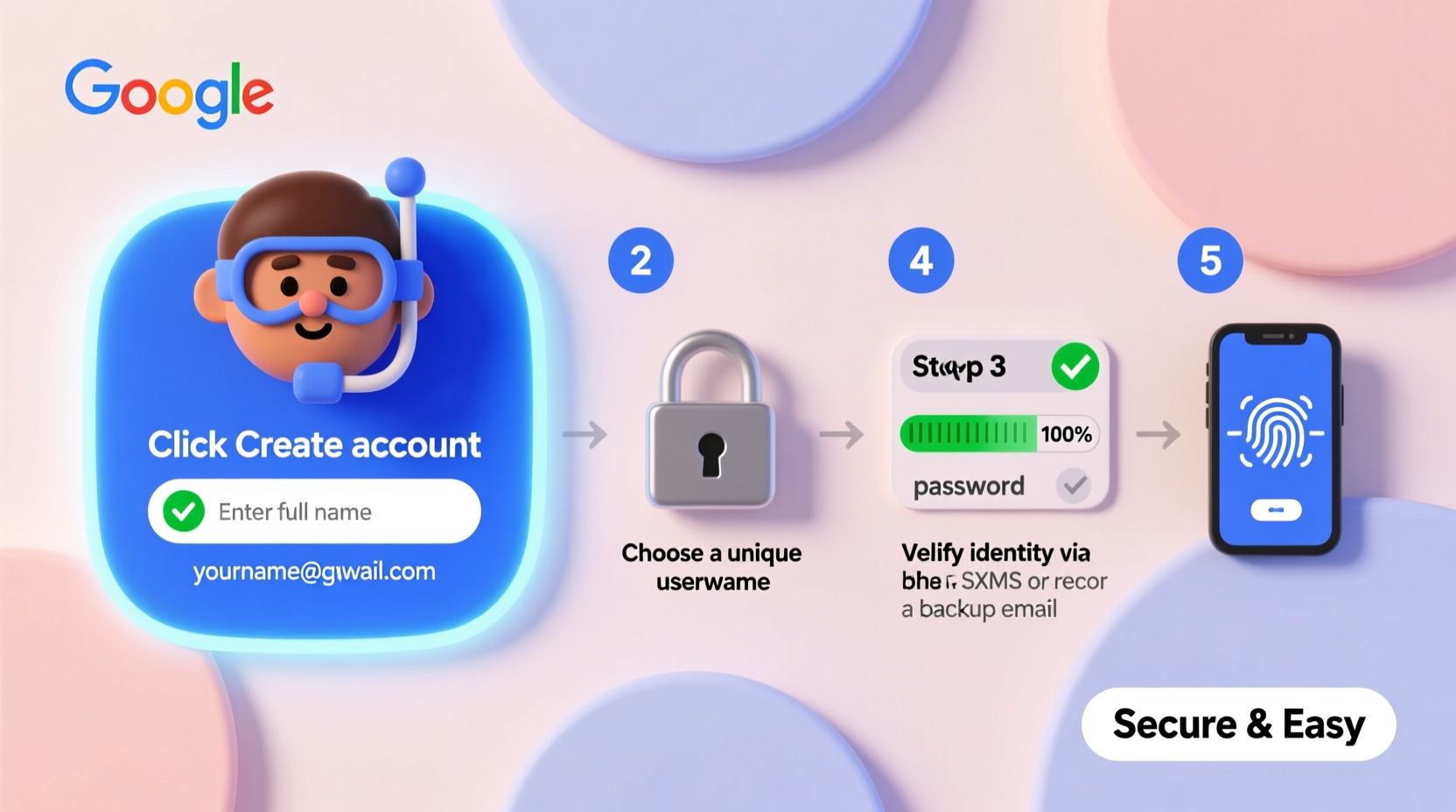
A Google Account is more than just an email address. It's a central identity across apps, devices, and platforms. From storing personal photos in Google Photos to managing smart home devices via Google Home, your account holds sensitive information. According to Google’s 2023 Transparency Report, over 500 million fake accounts are blocked annually. Creating your account properly from the start reduces the risk of being targeted by automated systems or malicious actors.
“Over 60% of account breaches stem from weak passwords or reused credentials. A strong setup today prevents compromise tomorrow.” — Dr. Lena Patel, Cybersecurity Researcher at Stanford University
Step-by-Step: Creating Your Google Account
Follow this structured timeline to create your account without errors or security oversights.
- Open the Google Account Creation Page: Navigate to
accounts.google.com/signupusing a trusted browser on a secure network. - Choose Your Name: Enter your first and last name. Use your real name if the account is personal; for business use, consider consistency with branding.
- Select a Username (Gmail Address): Type your desired email (e.g., yourname2024@gmail.com). If taken, Google will suggest alternatives. Aim for clarity and longevity—avoid numbers unless necessary.
- Create a Strong Password: Use at least 12 characters with uppercase, lowercase, numbers, and symbols. Avoid dictionary words or personal info like birthdays.
- Confirm Your Birthdate and Gender: Required for age verification. Gender is optional and not used for personalized ads as of 2023.
- Add a Recovery Phone Number: Critical for account recovery. Use a number you control long-term.
- Provide a Recovery Email (Optional but Recommended): Use a secondary, non-Google email for added redundancy.
- Review Privacy & Terms: Read Google’s privacy policy briefly. You can adjust data controls later in settings.
- Complete Captcha Verification: Prove you’re not a bot by following the on-screen prompts.
- Click “Next” to Finalize: Your account is created. You’ll be redirected to Gmail or Google’s homepage.
Essential Security Setup After Creation
Your work doesn’t end after clicking “Next.” The first 24 hours are crucial for locking down your account.
Enable Two-Factor Authentication (2FA)
Go to myaccount.google.com, navigate to “Security,” and enable 2FA. Choose an authenticator app (like Google Authenticator or Authy) over SMS when possible—SMS-based codes are vulnerable to SIM-swapping attacks.
Verify and Update Recovery Options
Double-check that your recovery phone and email are correct. Update them immediately if you change numbers.
Review App Permissions
Check which third-party apps have access to your Google Account under “Third-party apps with account access.” Remove any unknown or unused services.
Set Up Backup Codes
Generate and download backup codes during 2FA setup. Store them in a password manager or printed copy in a safe place.
Do’s and Don’ts When Creating a Google Account
| Do’s | Don’ts |
|---|---|
| Use a unique, strong password not used elsewhere | Reuse passwords from social media or banking sites |
| Enable two-factor authentication immediately | Ignore 2FA because it feels inconvenient |
| Use a recovery email you actively monitor | Rely solely on a phone number with no backup |
| Review privacy settings within 7 days | Assume default settings are optimal for privacy |
| Register on a private, secure device | Create accounts on shared or public computers |
Real Example: Recovering Access After Device Loss
Sophie, a freelance designer, lost her phone while traveling. She had recently created a new Google Account for client work but hadn’t set up 2FA or a recovery email. Without her phone, she couldn’t receive verification codes. Google’s recovery form required proof of identity and past activity, which delayed access for three days—during which she missed project deadlines.
After regaining access, Sophie updated her recovery options, enabled Google Authenticator on her laptop, and stored backup codes in her encrypted password manager. Her next account incident—a suspicious login attempt from Eastern Europe—was blocked automatically thanks to improved security.
Checklist: Secure Google Account Setup in 10 Minutes
- ✅ Created account on a secure network
- ✅ Used a strong, unique password
- ✅ Enabled two-factor authentication (app-based preferred)
- ✅ Added a recovery phone number
- ✅ Provided a recovery email (non-Gmail recommended)
- ✅ Generated and saved backup codes
- ✅ Reviewed connected devices in security settings
- ✅ Disabled unused third-party app access
- ✅ Verified personal info (name, birthday) accuracy
- ✅ Bookmarked Google Account settings page for future reference
Frequently Asked Questions
Can I create a Google Account without a phone number?
Yes, but it’s not recommended. While Google allows skipping the phone verification step, doing so limits recovery options and increases vulnerability. If privacy is a concern, use a virtual number from a trusted VoIP provider rather than omitting it entirely.
What if my desired Gmail username is taken?
Google often suggests variations by adding periods (which don’t affect delivery) or numbers. Consider slight modifications—like using a middle initial or combining first and last names differently (e.g., john.doe.writer@gmail.com). Avoid complex strings that are hard to remember or share.
How do I know if my account was created securely?
Visit myaccount.google.com and check the “Security Checkup” section. Google will flag missing 2FA, outdated recovery info, or risky apps. Completing this checkup ensures your setup meets current best practices.
Conclusion: Build a Foundation That Lasts
Your Google Account isn’t temporary—it’s likely to become a long-term hub for communication, creativity, and organization. Taking 15 minutes now to set it up correctly saves hours of frustration later. Security isn’t about complexity; it’s about consistency. From choosing a resilient password to enabling multi-layered verification, each step builds a stronger digital foundation.




 浙公网安备
33010002000092号
浙公网安备
33010002000092号 浙B2-20120091-4
Comments
No comments yet. Why don't you start the discussion?