
Creating a new Google email address—also known as a Gmail account—is a simple process, but doing it correctly ensures long-term security, accessibility, and reliability. Whether you're setting up an account for personal use, professional correspondence, or online services, following a structured approach minimizes risks like phishing, unauthorized access, and data loss. This guide walks through every essential step with clarity and precision, offering practical tips and expert-backed strategies to keep your digital identity safe.
Why a Secure Gmail Account Matters
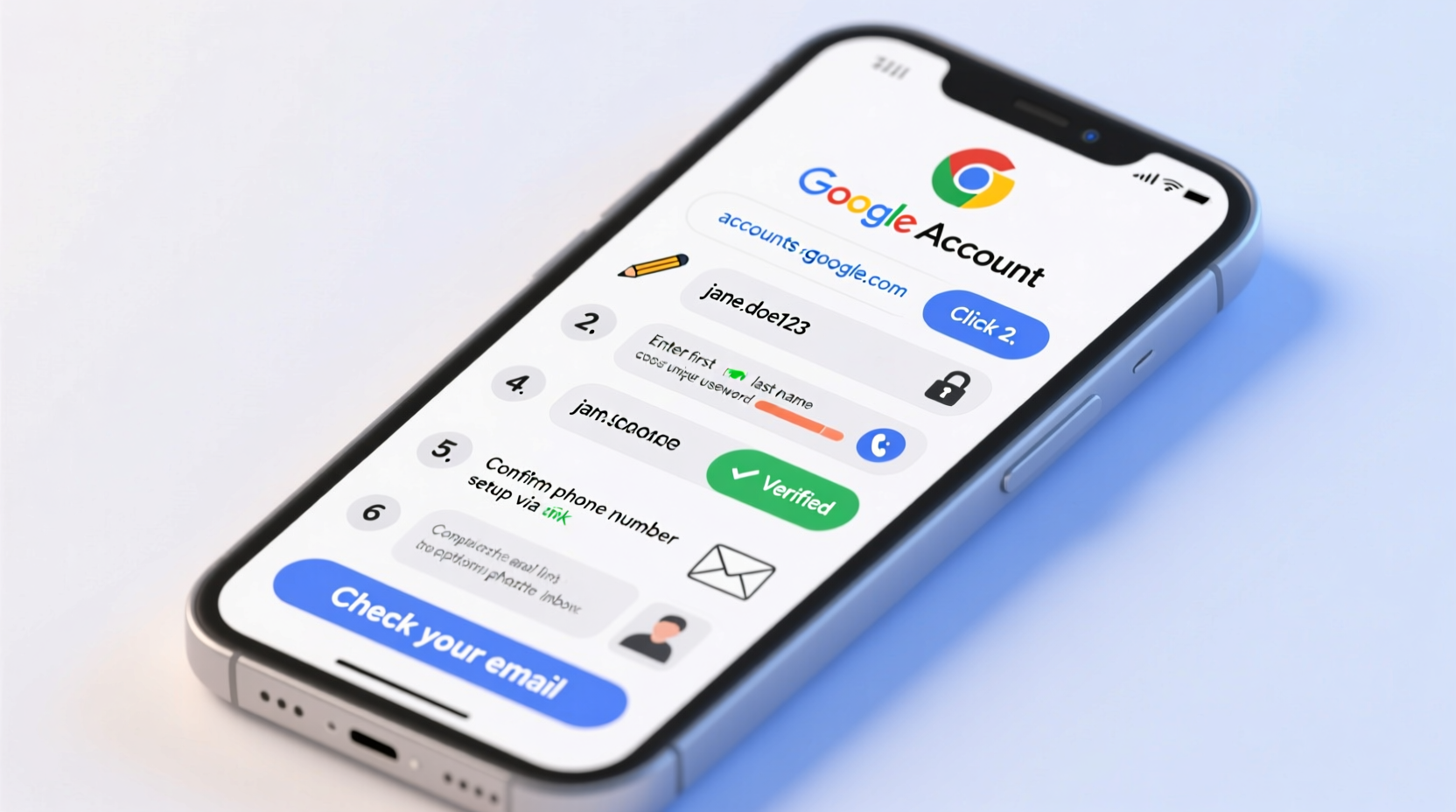
Gmail is more than just an inbox. It's a gateway to Google Drive, YouTube, Google Meet, Android devices, and countless third-party apps. A compromised account can expose private messages, financial records, photos, and even linked bank accounts. According to Google’s Transparency Report, over 99.9% of emails are automatically filtered from spam and phishing attempts—but user behavior remains the weakest link in security.
“Your email is the master key to your digital life. Protect it like you would your home.” — Alex Rivera, Cybersecurity Analyst at NetShield Security Group
A secure Gmail setup starts with strong credentials, two-factor authentication, and awareness of common threats. Let’s walk through the full process.
Step-by-Step Guide to Creating a New Gmail Account
- Open a Private Browsing Window
Use incognito mode (Ctrl+Shift+N on Chrome) to avoid saving login details or cookies, especially if you’re on a shared device. - Go to the Gmail Sign-Up Page
Navigate to https://accounts.google.com/signup. Avoid clicking ads—always type the URL directly. - Enter Your Name
Provide your first and last name. These appear when you send emails. You can change this later under settings. - Create a Username (Your Email Address)
Type your desired username. Gmail will check availability instantly. If taken, try variations with numbers, middle initials, or dots (e.g., john.doe, johndoe1987). - Choose a Strong Password
Enter a unique, complex password. Use at least 12 characters with uppercase, lowercase, numbers, and symbols. Never reuse passwords from other sites. - Confirm Your Birthday and Gender
These help Google personalize services and recover your account. Only provide accurate information. - Add a Recovery Phone Number and Email
Enter a mobile number and an alternate email. Both are crucial for password resets and security alerts. - Agree to Terms and Privacy Policy
Review Google’s terms. Click “I Agree” to finalize creation. - Verify Identity (If Prompted)
Google may ask you to verify via SMS or voice call. Complete this immediately. - Complete Setup and Explore Inbox
You’ll be redirected to your new Gmail inbox. Take a moment to explore the interface.
Essential Security Practices After Setup
Creating the account is just the beginning. Ongoing protection is what keeps your data safe.
Enable Two-Factor Authentication (2FA)
Two-factor authentication adds a second layer of defense. Even if someone guesses your password, they can’t log in without the second factor—usually a code from your phone or an authenticator app.
- Go to myaccount.google.com
- Select “Security” from the left menu
- Under “Signing in to Google,” click “2-Step Verification”
- Follow prompts to add your phone or set up an authenticator app like Google Authenticator or Authy
Set Up Recovery Options
If you lose access, recovery options are your lifeline. Update them regularly.
| Recovery Option | Recommended Action | Frequency to Review |
|---|---|---|
| Recovery Email | Use a secondary, trusted email not linked to the same provider | Every 6 months |
| Phone Number | Ensure it’s active and under your control | After changing SIM or carrier |
| Backup Codes | Download and store in a secure place (not on your computer) | After enabling 2FA |
Review App Permissions Regularly
Third-party apps sometimes request access to your Gmail. Revoke access from unused or suspicious apps.
- Visit Google Permissions Page
- Review connected apps
- Click “Remove Access” for any you don’t recognize or no longer use
Mini Case Study: Recovering a Compromised Account
Sarah, a freelance writer, noticed strange emails being sent from her Gmail account. She hadn’t logged in recently, but her sent folder showed messages about fake job offers. Alarmed, she followed Google’s account recovery steps:
- She visited Google Account Recovery
- Entered her email and clicked “Forgot password?”
- Verified her identity using her recovery phone number
- Reset her password and enabled 2FA
- Reviewed recent activity and signed out all other sessions
Because Sarah had set up recovery options months earlier, she regained control in under 15 minutes. Without them, the process could have taken days—or failed entirely.
“Setting up recovery early is like buying insurance. You hope you never need it, but you’ll be glad it’s there.” — Lena Park, Digital Privacy Consultant
Do’s and Don’ts of Gmail Account Management
| Do’s | Don’ts |
|---|---|
| Use a unique, strong password | Reuse passwords across accounts |
| Enable two-factor authentication | Ignore security alerts from Google |
| Regularly review sign-in activity | Click on links in unsolicited emails claiming to be from Google |
| Update recovery info when contact details change | Store passwords in plain text files or browsers |
| Use a password manager | Share your password, even with family |
Frequently Asked Questions
Can I create a Gmail account without a phone number?
Yes, but it reduces security and limits recovery options. During signup, Google may allow skipping the phone field, though it’s not recommended. A recovery email is mandatory.
What should I do if my desired username is taken?
Try adding numbers, using dots between names (e.g., j.o.h.n.d.o.e), or incorporating your middle initial. Avoid random strings that make the address hard to remember or share.
How many Gmail accounts can one person have?
There’s no official limit. Most users can safely manage 4–5 accounts. However, creating excessive accounts for spam or abuse violates Google’s policies and may result in suspension.
Final Checklist Before You Log Out
📋 Gmail Setup Completion Checklist:- ✅ Created strong, unique password
- ✅ Enabled two-factor authentication
- ✅ Added recovery phone and email
- ✅ Reviewed and removed unnecessary app permissions
- ✅ Downloaded backup codes (if using 2FA)
- ✅ Verified account via SMS or call
- ✅ Explored Gmail settings and labels
Conclusion
A properly created and secured Gmail account is a cornerstone of digital safety and productivity. By following these steps—choosing a reliable username, enforcing strong authentication, and maintaining recovery access—you protect not just your inbox, but your entire online presence. Technology evolves, but core principles of security remain constant: vigilance, preparation, and proactive maintenance.




 浙公网安备
33010002000092号
浙公网安备
33010002000092号 浙B2-20120091-4
Comments
No comments yet. Why don't you start the discussion?