
Skincare isn’t one-size-fits-all. What works for someone else may irritate your skin or fail to deliver visible results. The key to healthy, glowing skin lies in building a routine that responds to your unique skin type, concerns, and environment. With the right knowledge and a few consistent steps, you can create an effective, affordable, and sustainable regimen from the comfort of your home. This guide walks you through each phase—from identifying your skin’s needs to maintaining long-term balance—so you can make informed decisions without relying on trends or guesswork.
Understand Your Skin Type First
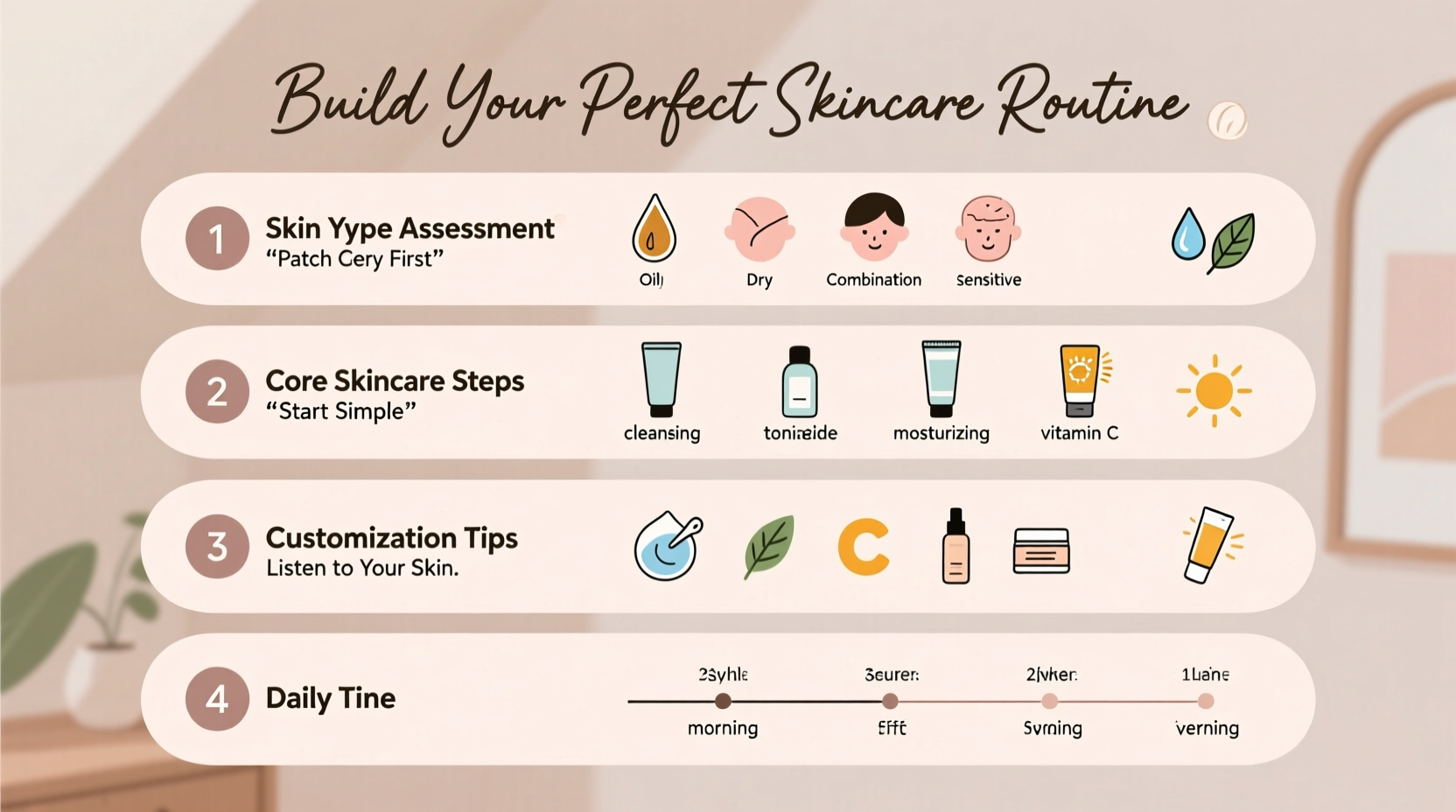
Before introducing any product, determine your skin type. Misidentifying it can lead to over-drying, breakouts, or excess oil production. There are five primary categories: normal, oily, dry, combination, and sensitive. Each reacts differently to ingredients and environmental factors.
- Oily skin: Shiny appearance, enlarged pores, prone to acne. Benefits from lightweight, non-comedogenic formulas.
- Dry skin: Flaky texture, tightness, rough patches. Requires rich moisturizers and barrier-repairing ingredients like ceramides.
- Combination skin: Oily T-zone (forehead, nose, chin) with dry cheeks. Needs balanced products that address both zones.
- Sensitive skin: Easily irritated, redness-prone, stings with certain actives. Best served by fragrance-free, hypoallergenic options.
- Normal skin: Balanced moisture, minimal breakouts, even tone. Still benefits from protection and gentle maintenance.
“Knowing your skin type is the foundation of every successful skincare routine. It guides ingredient selection and prevents unnecessary irritation.” — Dr. Lena Patel, Board-Certified Dermatologist
Build Your Routine in Layers
A well-structured skincare routine follows a logical order based on molecular weight and absorption. Products should be applied from thinnest to thickest consistency to ensure maximum penetration. A basic daily regimen includes four core steps: cleanse, treat, moisturize, and protect (AM), with optional additions depending on goals.
Morning Routine Structure
- Cleanser: Remove overnight buildup gently. Use water-based or micellar formulas for oily skin; creamy cleansers for dry types.
- Toner (optional): Rebalances pH after cleansing. Alcohol-free versions help prep skin for serums.
- Serum: Target specific concerns—vitamin C for brightness, hyaluronic acid for hydration, niacinamide for oil control.
- Moisturizer: Locks in hydration. Lightweight gels suit oily skin; creams work better for dry complexions.
- Sunscreen (non-negotiable): SPF 30 or higher, broad-spectrum. Prevents premature aging and protects against UV damage.
Night Routine Structure
- Double Cleanse (if wearing makeup/sunscreen): Start with oil-based cleanser, follow with water-based one.
- Treatment Step: Apply active ingredients like retinoids, AHAs/BHAs, or peptides. These work best at night when skin repairs itself.
- Eye Cream (optional): Addresses fine lines, puffiness, or dark circles with targeted formulas.
- Night Cream or Facial Oil: Heavier than daytime moisturizers, these reinforce the skin barrier during sleep.
Choose Ingredients Based on Concerns
Once you know your skin type, align product choices with your top concerns. Avoid layering too many potent ingredients at once, which can compromise the skin barrier. Focus on one or two primary goals initially.
| Skin Concern | Recommended Ingredients | Products to Try |
|---|---|---|
| Acne & Breakouts | Salicylic acid, benzoyl peroxide, niacinamide | Gel cleanser, spot treatment, oil-free moisturizer |
| Dullness & Uneven Tone | Vitamin C, alpha hydroxy acids (glycolic/lactic) | Brightening serum, chemical exfoliant (2–3x/week) |
| Fine Lines & Aging | Retinol, peptides, bakuchiol, hyaluronic acid | Night serum, firming cream, eye treatment |
| Dehydration | Hyaluronic acid, glycerin, squalane | Hydrating toner, essence, occlusive moisturizer |
| Redness & Sensitivity | Centella asiatica, oat extract, allantoin | Barrier-repair cream, soothing mist, fragrance-free line |
Introduce new ingredients slowly—one at a time, every 2–4 weeks—to monitor reactions. Patch test behind the ear or on the jawline before full-face application.
Real Example: Building a Routine for Combination, Acne-Prone Skin
Sophie, 27, lives in a humid city and struggles with clogged pores on her forehead while her cheeks feel tight by midday. She started by confirming her skin type as combination with sensitivity around the jawline. Her initial goal was reducing breakouts without stripping moisture.
She began with a simple morning routine: a low-foaming gel cleanser, hydrating toner with hyaluronic acid, lightweight niacinamide serum, oil-free moisturizer, and SPF 35. At night, she double-cleansed using a balm followed by a salicylic acid wash, then applied a pea-sized amount of 0.3% retinol three times a week (on alternate nights). After six weeks, she noticed fewer breakouts and more even texture. Only then did she add a weekly clay mask to manage T-zone oiliness.
The turning point? Consistency and patience. She avoided switching products weekly and gave each ingredient time to work. Now, eight months later, her skin is clearer, balanced, and less reactive.
Avoid Common Pitfalls
Even with good intentions, many people sabotage their progress unknowingly. Here are frequent mistakes and how to avoid them:
- Over-exfoliating: Using scrubs or acids daily disrupts the skin barrier, causing inflammation. Limit physical exfoliation to 1–2x/week and chemical exfoliants to 2–3x depending on strength.
- Layering too many active ingredients: Combining retinol, vitamin C, and AHA/BHA simultaneously increases irritation risk. Space them out—e.g., vitamin C in AM, retinol at night.
- Skipping sunscreen: Even indoors, blue light and window-filtered UV rays contribute to pigmentation and aging. Daily SPF is essential.
- Using expired or improperly stored products: Heat, sunlight, and air degrade active compounds. Store serums in cool, dark places and check expiration dates.
- Expecting instant results: Most treatments take 4–8 weeks to show effects. Skin cell turnover cycles last about 28 days; true change requires time.
“Patients often come to me with damaged barriers because they chased quick fixes. Skincare is a marathon, not a sprint.” — Dr. Rajiv Mehta, Clinical Dermatology Researcher
Your 6-Step Checklist to Start Today
Follow this actionable checklist to build your personalized routine step-by-step:
- Identify your skin type using the bare-face observation method.
- List your top 1–2 skin concerns (e.g., acne, dullness, dehydration).
- Select a gentle cleanser suitable for your type—avoid sulfates if sensitive.
- Pick one treatment product targeting your main concern (e.g., niacinamide for oil control).
- Add a moisturizer that matches your texture preference and climate needs.
- Apply broad-spectrum SPF 30+ every morning, rain or shine.
After four weeks, assess results. If improvement stalls, consider adding one new product—like a serum or exfoliant—but never more than one at a time.
Frequently Asked Questions
Can I use natural or DIY skincare at home?
While ingredients like honey, aloe, and oatmeal have soothing properties, homemade masks lack preservation systems and precise dosing. Lemon juice, baking soda, or undiluted essential oils can damage the skin barrier. For safety and effectiveness, stick to scientifically formulated products unless advised otherwise by a dermatologist.
How do I know if a product is irritating my skin?
Signs include persistent redness, stinging, flaking, or increased breakouts within days of use. Discontinue immediately if burning occurs. Mild tingling from actives like retinol may happen initially but should subside within a few minutes. Always patch test first.
Should I change my routine with the seasons?
Yes. In winter, switch to richer moisturizers and reduce exfoliation frequency due to dry air. In summer, opt for lighter textures and increase sun protection. Humidity levels and indoor heating affect hydration needs year-round.
Final Thoughts: Make It Sustainable
A personalized skincare routine isn’t about accumulating ten products or following influencer trends. It’s about understanding your skin’s signals and responding with intention. Simplicity often outperforms complexity—especially when consistency is maintained. Keep records of what you use and how your skin responds. Adjust gradually, prioritize protection, and remember that internal health—sleep, hydration, stress management—plays a vital role in external appearance.




 浙公网安备
33010002000092号
浙公网安备
33010002000092号 浙B2-20120091-4
Comments
No comments yet. Why don't you start the discussion?