
Dressing your dog isn’t just about fashion—it’s about comfort, protection, and expressing their unique personality. For medium-sized breeds like Border Collies, Bulldogs, or Cocker Spaniels, off-the-rack clothing often misses the mark in fit and functionality. Creating custom garments ensures a perfect fit while allowing you to choose breathable fabrics, secure closures, and designs that reflect your dog’s lifestyle. Whether it’s a cozy sweater for chilly evenings or a lightweight raincoat for wet walks, this guide walks you through designing and making clothes that are both practical and stylish.
Understand Your Dog’s Measurements and Needs
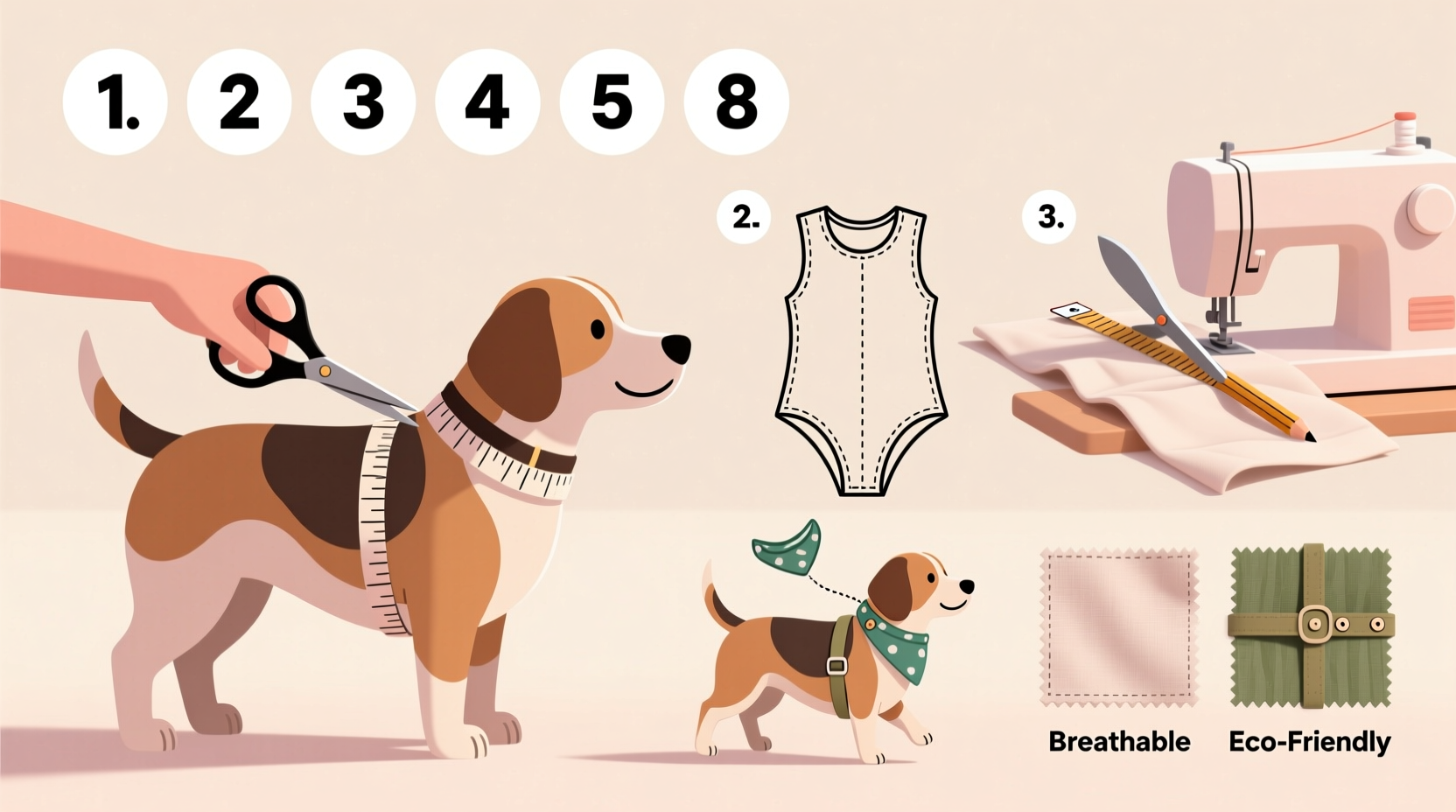
Before cutting any fabric, accurate measurements are essential. Unlike humans, dogs have unique body proportions—shorter torsos, broader chests, and varying leg lengths. A well-fitted garment should allow full range of motion without restricting movement or chafing sensitive areas.
Use a soft measuring tape to record the following:
- Back length: From the base of the neck (where the collar sits) to the start of the tail.
- Chest girth: Measure around the widest part of the chest, just behind the front legs.
- Neck circumference: Where the collar normally rests.
- Leg openings: Circumference around each front leg where sleeves will sit.
Keep in mind seasonal needs. A summer outfit should prioritize breathability and UV protection, while winter wear must retain warmth without adding bulk. Consider your dog’s activity level—high-energy breeds need stretchy, durable materials, whereas older dogs may benefit from softer, supportive fabrics.
Select the Right Fabrics and Materials
The choice of fabric determines both comfort and longevity. Dogs are active, sometimes messy, and highly sensitive to texture. The wrong material can cause irritation, overheating, or rapid wear.
| Fabric Type | Best For | Avoid If |
|---|---|---|
| Cotton Jersey | T-shirts, base layers | Rainy climates (absorbs moisture) |
| Fleece | Winter sweaters, jackets | Hot weather (retains heat) |
| Nylon Blend | Raincoats, harness-compatible gear | Sensitive skin (can be abrasive) |
| Bamboo Knit | All-season wear, hypoallergenic needs | High abrasion use (less durable) |
Look for four-way stretch, moisture-wicking properties, and machine-washable options. Avoid stiff seams or rough inner linings. When in doubt, do a patch test—apply a small swatch inside your dog’s existing harness area for 30 minutes to check for irritation.
“Dogs don’t tolerate discomfort silently—they’ll scratch, chew, or avoid wearing a garment if it irritates them. Comfort always comes before style.” — Dr. Lena Torres, Veterinary Dermatologist
Design with Function and Style in Mind
A great dog garment balances aesthetics with usability. Begin by sketching a basic silhouette based on your dog’s breed shape. Common styles include:
- Wrap-around shirts: Easy to put on, ideal for dogs resistant to dressing.
- Pullover sweaters: Warm and snug, but require head opening clearance.
- Vest-style coats: Leave shoulders free, compatible with leashes and harnesses.
Incorporate design elements thoughtfully:
- Add reflective stitching for nighttime visibility.
- Use snap buttons or Velcro at the belly for easy potty breaks.
- Include a loop or D-ring access point so leashes can attach without removing the garment.
- Choose color palettes that contrast with your dog’s coat for visual appeal.
Step-by-Step Sewing Process
With measurements and materials ready, follow this sequence to assemble a simple yet stylish pullover sweater for a medium dog:
- Create a pattern: Trace a well-fitting commercial garment onto craft paper or use printable templates adjusted to your dog’s dimensions.
- Cut fabric: Place the pattern on folded fleece or cotton blend, pin in place, and cut two identical body pieces.
- Mark key areas: Indicate neck, leg holes, and tail opening with chalk or washable marker.
- Sew shoulder and side seams: Use a stretch stitch or zigzag setting on your sewing machine to prevent breakage.
- Hem edges: Fold and stitch neck and leg openings with elastic thread or fold-over knit fabric for softness.
- Add finishing touches: Attach pom-poms, embroidery, or patches for personality.
- Test fit: Try the garment on your dog during daylight to observe movement and comfort.
If sewing isn’t your strength, consider no-sew alternatives using iron-on adhesive sheets or pre-cut kits designed for beginners. These still allow customization and reduce prep time significantly.
Real Example: Custom Coat for a Senior Labrador Mix
Maria, a pet owner in Oregon, noticed her 10-year-old Labrador mix, Daisy, shivered during morning walks despite wearing a store-bought sweater. The garment rode up when she walked and lacked coverage over her hips—a common issue for aging dogs with muscle loss.
Maria measured Daisy carefully, then selected a brushed bamboo-cotton blend for its softness and thermal regulation. She designed a longer back panel to cover the hindquarters and added a Velcro belly closure for easier bathroom stops. Reflective strips were sewn along the sides, and a D-ring opening allowed leash attachment through the collar.
The result? Daisy wore the coat willingly, stayed warm, and even seemed more confident on walks. The tailored fit eliminated chafing, and the fabric held up after repeated washing.
Checklist: Before You Start Sewing
- ✅ Measure your dog accurately
- ✅ Choose a safe, durable fabric
- ✅ Sketch a basic design with functional features
- ✅ Test fabric against your dog’s skin
- ✅ Prepare tools: scissors, pins, sewing machine, elastic, measuring tape
- ✅ Make a prototype with scrap fabric
- ✅ Allow room for adjustments after first try-on
Frequently Asked Questions
Can I use human clothing patterns for dogs?
Not directly. Human patterns assume upright posture and different limb placement. While some concepts transfer, dog-specific proportions require adjustment. Use pet garment templates or modify children’s patterns with shorter torsos and wider chest lines.
How do I clean dog clothes effectively?
Wash after every 2–3 wears using mild, fragrance-free detergent. Turn garments inside out to preserve color and finish. Air dry whenever possible—high heat can degrade elastic and shrink knits. Inspect for loose threads or stains before reuse.
What if my dog refuses to wear clothes?
Start slow. Introduce the garment for short periods with treats and praise. Choose lightweight, quiet fabrics without zippers that might scare them. Avoid forcing—positive reinforcement builds acceptance over time.
Final Thoughts
Creating clothes for your medium-sized dog blends craftsmanship with care. When you tailor each piece to their size, activity, and sensitivities, you’re not just making apparel—you’re enhancing their daily life. Thoughtful design prevents discomfort, supports mobility, and lets their spirit shine through personal style.




 浙公网安备
33010002000092号
浙公网安备
33010002000092号 浙B2-20120091-4
Comments
No comments yet. Why don't you start the discussion?