
Ballet is synonymous with elegance, precision, and ethereal beauty. Translating that delicate aesthetic into nail art creates a stunning fusion of fashion and performance style. Ballet dancer nails—soft pinks, sheer whites, subtle shimmer, and elongated silhouettes—are more than just a trend; they're a celebration of grace. When enhanced with high-quality fake nails, this look becomes both durable and refined. Whether you're a dancer, performer, or someone who appreciates timeless femininity, mastering this style elevates your personal presentation. This guide walks you through every phase—from selecting the right fake nails to applying intricate details—with professional precision.
Selecting the Right Fake Nails for a Ballet Aesthetic
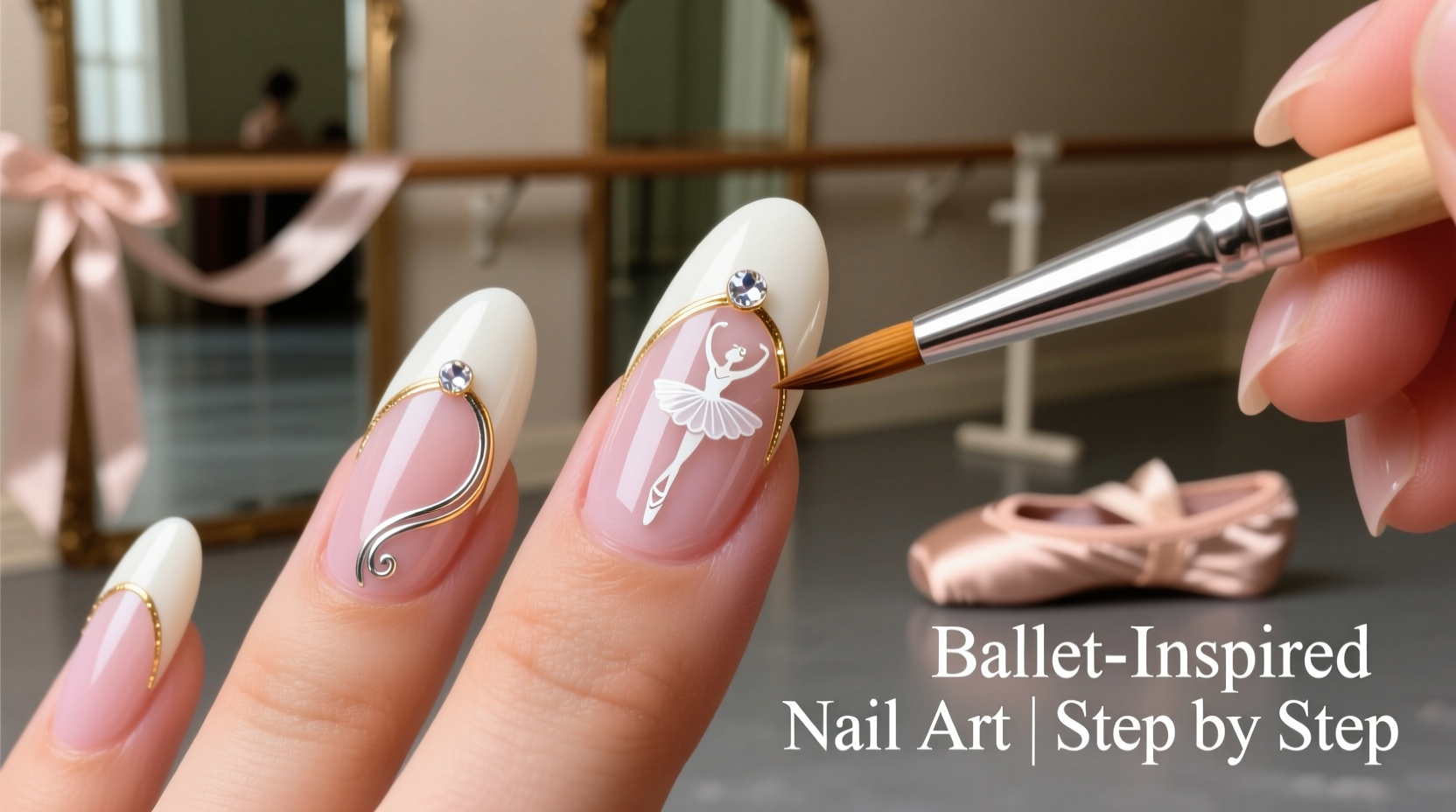
The foundation of any successful nail design lies in the shape, length, and quality of the artificial nails used. For a ballet-inspired finish, the goal is to mimic the natural elegance of a dancer’s hands—long, slender, and well-proportioned. Almond or coffin-shaped tips are ideal because they elongate the fingers and echo the poised lines seen on stage.
When shopping for press-ons or nail extensions, prioritize flexibility and thinness. Thick, rigid nails break the illusion of delicacy. Opt for hand-finished tips made from soft gel or flexible acrylic materials that contour naturally to your nail bed. Brands like Ardell, Modelones, and KISS offer premium collections designed for a seamless fit and realistic appearance.
Key Features of Ideal Ballet-Style Fake Nails
| Feature | Recommended Choice | Avoid |
|---|---|---|
| Shape | Almond or Coffin | Square or Stiletto (too harsh) |
| Length | Medium to Long (12–15mm) | Extra-long (over 18mm) |
| Material | Flexible gel or soft acrylic | Rigid plastic |
| Finish | Natural shine or matte | Glitter base or bold patterns |
| Fit | Customizable filing & adhesive tabs | One-size fits all |
Preparing Your Natural Nails
Before application, proper nail prep ensures longevity and hygiene. Begin by removing any old polish with an acetone-free remover to preserve moisture. Gently push back cuticles using a wooden stick wrapped in cotton. Lightly buff the surface of your natural nails to create slight texture—this helps adhesives bond better without damaging the nail plate.
Wash and dry your hands thoroughly. Any oil or moisture will compromise adhesion. Use a lint-free wipe dipped in rubbing alcohol to degrease each nail. Let them air-dry completely before proceeding. Skipping this step may lead to lifting within hours.
“Ballet performers need their accessories to last through rehearsals and shows. A clean, dry nail bed is non-negotiable.” — Lila Moreno, Professional Nail Technician for Dance Companies
Applying Fake Nails with Precision
There are two primary methods: glue-on or adhesive tabs. For a long-lasting ballet look, use nail glue. It provides stronger hold and allows minor adjustments during placement.
Step-by-Step Application Process
- Match each fake nail to your natural nail size. Trim or file gently if needed.
- Apply a small drop of nail glue to your natural nail (not the fake one).
- Press the fake nail down firmly at the cuticle line, holding for 15 seconds.
- Repeat for all fingers, working one hand at a time.
- Once set, file the edges lightly to blend the fake and natural nail seamlessly.
- Buff very lightly with a fine-grit buffer (180+ grit) to unify the surface.
- Wipe away dust with alcohol-soaked lint-free pad.
Designing the Ballet-Inspired Nail Art
The hallmark of ballet nails is subtlety. Think blush pinks, milky whites, translucent gradients, and faint iridescence. Avoid loud colors or heavy embellishments. The aim is refinement, not distraction.
Start with a base coat of sheer pink or nude gel polish. Apply two thin layers, curing under UV/LED light if using gel. For a “ballerina blush” effect, try a French ombré: use a sponge to dab white at the tip, blending inward with soft pink until it fades naturally.
Add dimension with ultra-fine glitter—only along the smile line or as a crescent moon accent. Alternatively, hand-paint tiny pearls or silver dots near the cuticle for a jewelry-like touch. Finish with a high-gloss top coat for a dewy, fresh-off-the-stage glow.
Ballet Nail Art Checklist
- ✔ Choose soft color palette (nude, blush, ivory)
- ✔ Create sheer gradient or French tip
- ✔ Add minimal sparkle (micro-glitter or foil flecks)
- ✔ Accent with tiny rhinestones or hand-painted details
- ✔ Seal with glossy top coat
- ✔ Avoid chunky stones or neon hues
Maintaining the Graceful Finish
Even the most beautifully crafted nails require upkeep. Ballet dancers move constantly, and so do everyday hands. To prevent chipping or snagging, wear gloves when washing dishes or cleaning. At night, apply cuticle oil to keep the nail bed hydrated and flexible.
If a nail lifts slightly, don’t remove it immediately. Clean the area with alcohol, reapply a tiny drop of glue, and press down for 20 seconds. For full sets, expect 7–10 days of wear with moderate care. Remove gently using foil wraps soaked in acetone to avoid peeling natural layers.
“A true ballet manicure doesn’t scream for attention—it enhances the movement of the hand like a well-placed spotlight.” — Natalia Voskresenskaya, Former Principal Dancer & Nail Consultant
Mini Case Study: From Audition to Performance
Sophie, a pre-professional dancer preparing for her summer intensive audition, wanted her overall presentation to reflect discipline and poise. She had always struggled with weak, uneven nails that broke easily. After researching durable yet elegant options, she opted for custom-fit almond press-ons with a sheer pink base and delicate silver dot accents near the cuticle.
She applied them four days before her audition using nail glue and reinforced them with a gel top coat. Throughout daily classes and pointe work, the nails stayed intact. Her instructors complimented her polished appearance, noting how her hand positions looked “cleaner” and more intentional. The confidence boost helped her deliver a standout performance.
Frequently Asked Questions
Can I dance in fake nails without them breaking?
Yes, if you choose flexible, well-fitted fake nails and avoid excessive length. Reinforce with a strong top coat and avoid direct pressure on the tips during floor work.
How do I make my ballet nails look natural?
Stick to translucent shades, blend edges carefully, and keep designs minimal. The less visible the transition between real and fake, the more natural the result.
Are press-on nails appropriate for formal performances?
Absolutely. High-end press-ons are indistinguishable from salon-applied acrylics when properly applied and finished. Many professional dancers use them for consistency and ease.
Final Touches and Encouragement
Creating ballet dancer nails with fake nails is more than a beauty routine—it's an act of self-expression rooted in artistry and control. Each step, from selection to maintenance, contributes to a final look that embodies grace under pressure. You don’t need to be on stage to appreciate the quiet power of perfectly groomed hands.




 浙公网安备
33010002000092号
浙公网安备
33010002000092号 浙B2-20120091-4
Comments
No comments yet. Why don't you start the discussion?