
A clean kitchen isn’t just about spotless countertops and shiny floors—hidden components like your range hood filter play a critical role in maintaining air quality, fire safety, and cooking performance. Over time, grease, oil, and food particles accumulate on the filter, reducing its ability to trap airborne contaminants. A clogged filter forces your ventilation system to work harder, leading to decreased efficiency, increased energy use, and potential long-term damage. Regular deep cleaning not only improves airflow but also extends the lifespan of your range hood and keeps your kitchen healthier.
Why Deep Cleaning Your Range Hood Filter Matters
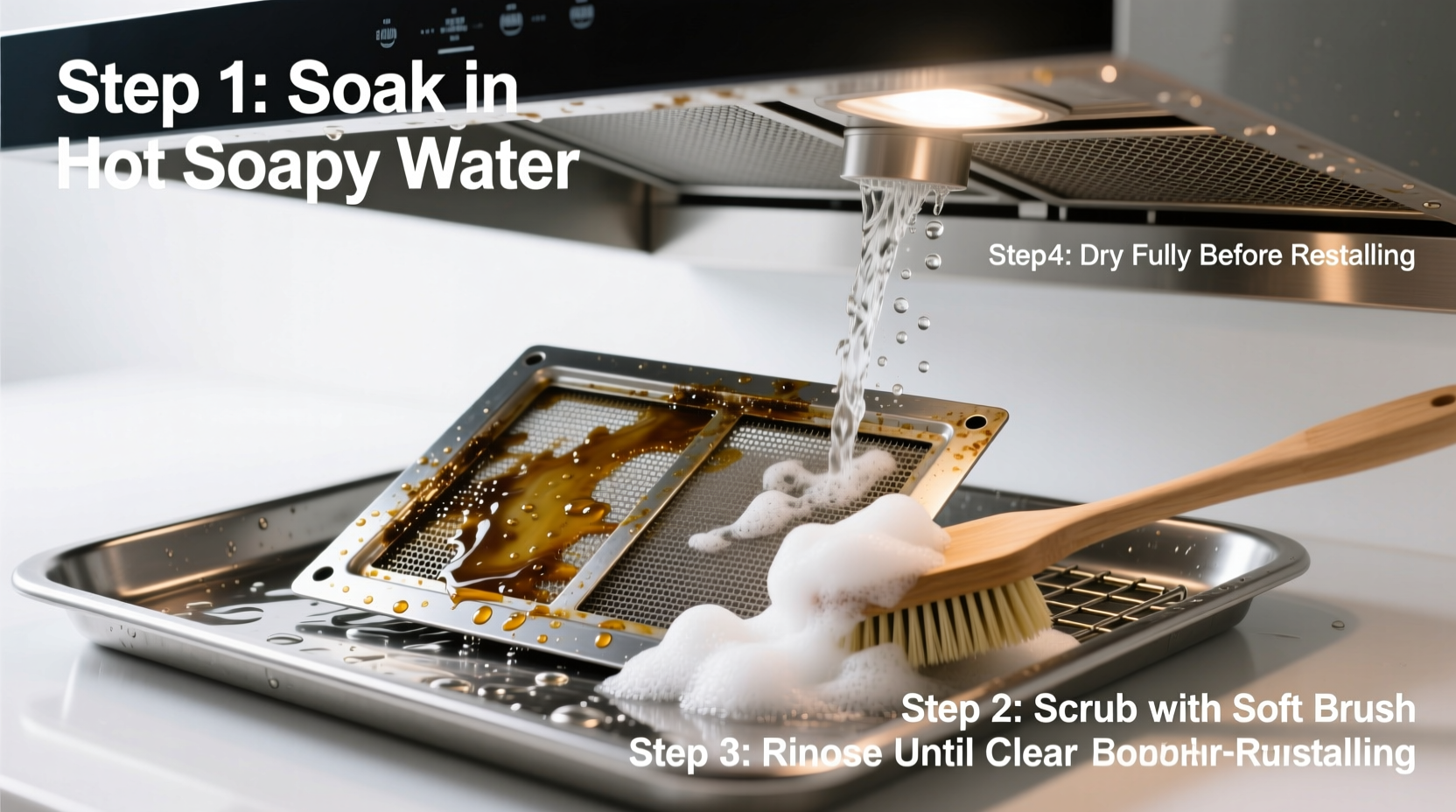
The range hood filter is designed to capture smoke, steam, and grease during cooking. However, without proper maintenance, it becomes saturated. A heavily coated filter can:
- Reduce airflow by up to 70%, according to HVAC specialists.
- Increase the risk of grease fires, which the NFPA identifies as a leading cause of home cooking fires.
- Allow odors to linger and recirculate in your kitchen.
- Strain the motor, potentially shortening the unit’s operational life.
“Many homeowners overlook their range hood until it starts making noise or underperforming. But consistent filter maintenance is one of the most cost-effective ways to preserve indoor air quality and prevent appliance failure.” — Carlos Mendez, Certified Appliance Technician & HVAC Consultant
Types of Range Hood Filters and Their Cleaning Needs
Not all filters are created equal. The cleaning method depends on the type of filter your unit uses. Most modern hoods come with one of two primary filter types:
| Filter Type | Material | Cleaning Method | Recommended Frequency |
|---|---|---|---|
| Baffle Filter | Stainless steel with interlocking fins | Dishwasher-safe or hand wash with degreaser | Every 4–6 weeks |
| Mesh (Screen) Filter | Aluminum or stainless steel mesh layers | Soak in alkaline solution or degreasing agent | Every 3–4 weeks |
| Charcoal Filter (Non-washable) | Carbon-infused material | Replace every 6–12 months; not cleanable | Replacement only |
If you're unsure which filter your range hood uses, consult the owner’s manual or check manufacturer markings on the filter frame. Never attempt to wash charcoal filters—doing so renders them ineffective.
Step-by-Step Guide to Deep Cleaning Your Filter
Deep cleaning your range hood filter is a manageable task that takes less than an hour. Follow these steps to restore peak performance.
- Turn off power and remove the filter. For safety, switch off the circuit breaker or unplug the unit. Gently slide or unclip the filter from its housing. Avoid forcing it if stuck—check for screws or locking tabs.
- Inspect for damage. Look for warping, corrosion, or broken mesh sections. If the filter is damaged, replace it. Continuing to use a compromised filter reduces efficiency and may allow grease to enter internal components.
- Pre-soak in hot, soapy water. Fill a sink or basin with hot water (not boiling) and add a few drops of heavy-duty dish soap. Submerge the filter for 15–20 minutes to loosen surface grease.
- Scrub with a non-abrasive brush. Use a soft-bristle brush or nylon scrub pad to gently clean both sides. Focus on crevices where grease accumulates. Avoid steel wool or harsh abrasives—they scratch metal and promote future grease adhesion.
- Use a degreaser for stubborn buildup. For persistent grime, apply a commercial kitchen degreaser or a paste of baking soda and vinegar. Let sit for 10 minutes, then scrub again. Rinse thoroughly.
- Rinse and dry completely. Hold under warm running water until no suds remain. Air-dry flat on a towel for at least 2 hours. Never reinstall a damp filter—it encourages mold and reduces trapping efficiency.
- Reinstall and test. Slide the filter back into place securely. Restore power and run the hood at high speed to confirm smooth operation and improved suction.
Real Example: How One Home Chef Fixed Poor Ventilation
Sophia, a home cook in Portland who runs a weekly meal-prep service, noticed her kitchen was constantly smoky despite running the range hood. Her stir-fries left a greasy film on cabinets, and the fan sounded louder than usual. After checking the manual, she pulled out her aluminum mesh filter—only to find it completely clogged with hardened grease.
She followed the soaking and degreasing steps outlined above, using a mix of dish soap and lemon juice for natural cutting power. After cleaning, the difference was immediate: airflow improved within seconds, smoke cleared faster, and the motor ran quieter. She now schedules filter cleaning every three weeks and rotates between two filters to maintain continuous performance.
Do’s and Don’ts of Range Hood Filter Maintenance
| Do’s | Don’ts |
|---|---|
| ✔ Clean filters every 3–6 weeks depending on usage | ✖ Use bleach or ammonia-based cleaners (they corrode metal) |
| ✔ Dry filters fully before reinstallation | ✖ Put non-dishwasher-safe filters in the dishwasher |
| ✔ Replace charcoal filters annually | ✖ Ignore unusual noises or reduced suction |
| ✔ Keep a spare filter for rotation | ✖ Spray degreasers directly onto the hood motor or housing |
Frequently Asked Questions
Can I put my range hood filter in the dishwasher?
Some stainless steel baffle filters are dishwasher-safe—check your manufacturer’s instructions. Mesh filters often warp or degrade in high heat. When in doubt, hand wash to avoid damage.
How do I know when it’s time to replace instead of clean?
If the filter shows signs of rust, warping, or large gaps in the mesh, cleaning won’t restore function. Replacement filters are affordable and widely available online or through appliance retailers.
Is there a natural alternative to chemical degreasers?
Yes. A mixture of baking soda, white vinegar, and hot water effectively breaks down grease. Add a squeeze of lemon juice for extra degreasing power and a fresh scent.
Essential Checklist for Maximum Efficiency
- ✅ Turn off power before removing the filter
- ✅ Identify your filter type (baffle, mesh, or charcoal)
- ✅ Soak in hot, soapy water for 15–20 minutes
- ✅ Scrub gently with a non-abrasive brush
- ✅ Apply degreaser or natural cleaner for tough buildup
- ✅ Rinse thoroughly and air-dry completely
- ✅ Reinstall securely and test fan performance
- ✅ Schedule next cleaning based on cooking frequency
Final Thoughts: Make It a Habit, Not a Chore
Deep cleaning your range hood filter isn’t a one-time fix—it’s part of ongoing kitchen maintenance that pays dividends in safety, efficiency, and comfort. By integrating this simple process into your routine, you protect your investment, improve indoor air quality, and ensure your cooking environment remains pleasant and functional.
Start today: pull out your filter, assess its condition, and give it the care it deserves. Your lungs, your appliances, and your future self will thank you.




 浙公网安备
33010002000092号
浙公网安备
33010002000092号 浙B2-20120091-4
Comments
No comments yet. Why don't you start the discussion?