
Deflating an air bed might seem straightforward, but doing it inefficiently can lead to frustration, prolonged setup times, or even damage to the mattress. Many modern air beds come equipped with a built-in electric pump designed not only to inflate but also to reverse airflow and deflate the bed quickly. Yet, users often overlook the correct sequence or fail to prepare properly, resulting in a slow or incomplete deflation. This guide walks you through every essential step to efficiently collapse your air mattress using its integrated pump—ensuring minimal effort, maximum speed, and longevity of the product.
Understanding Your Air Bed’s Built-In Pump System
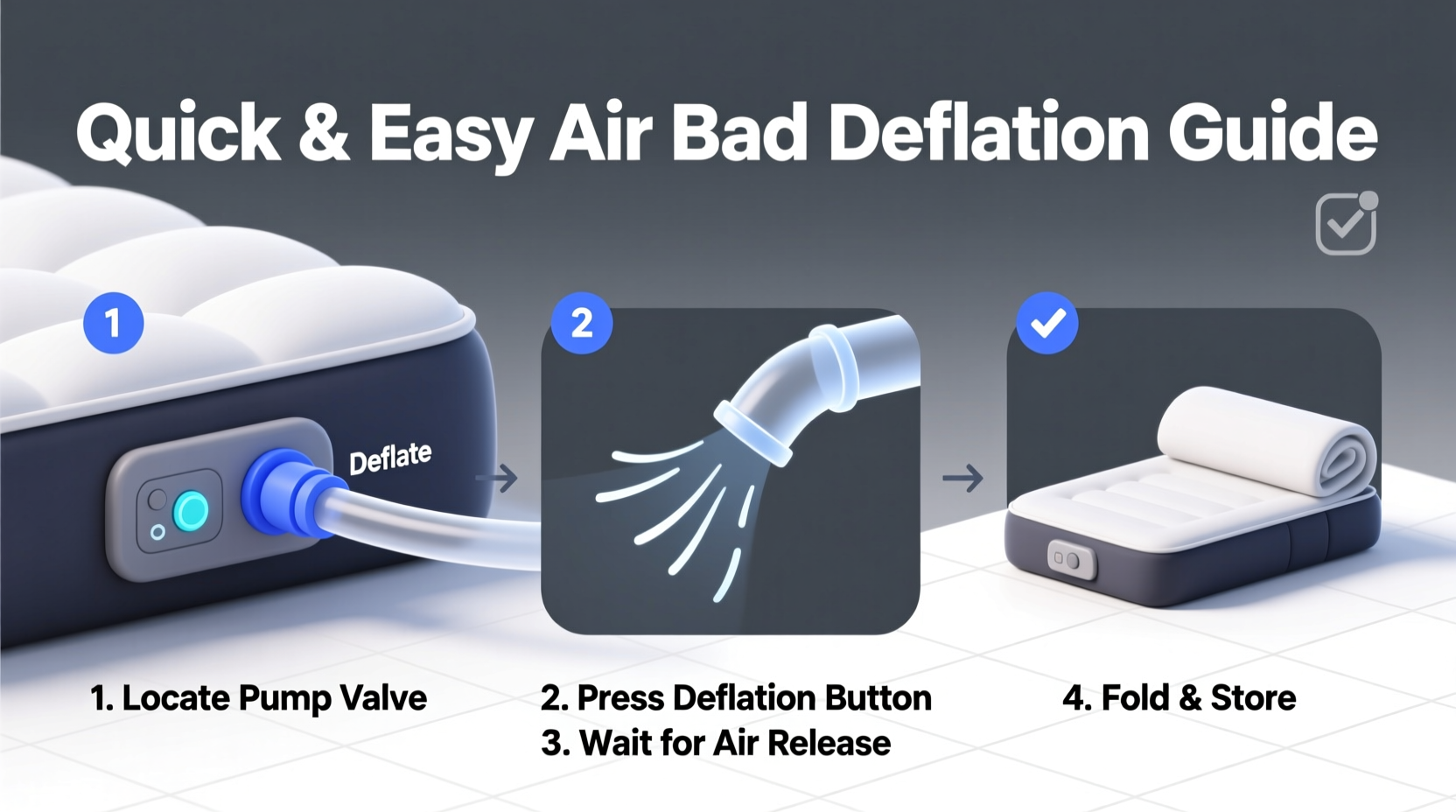
The convenience of a built-in pump lies in its dual functionality: inflation and deflation. Unlike external pumps that require separate attachments or manual effort, built-in models have internal motors connected directly to the air chamber. When switched to \"deflate\" mode, the pump reverses airflow, actively sucking air out instead of pushing it in. However, this feature only works effectively when used correctly and under optimal conditions.
Before beginning the deflation process, ensure your air bed is compatible with automatic deflation. Not all built-in pumps offer this function—some only inflate. Check the user manual or look for a “deflate” button or switch near the power control panel. If present, you’re ready to proceed. If not, you may need to manually roll the mattress to force air out after disconnecting the pump.
Step-by-Step Guide to Fast and Complete Deflation
- Remove bedding and clear the area – Strip off sheets, blankets, and pillows. Clear a wide space around the bed so it can fully collapse without obstruction.
- Open the air valve completely – Locate the main air release valve (usually on the side) and twist or pull it open. On most models, this is required before the pump can draw air out efficiently.
- Switch the pump to “Deflate” mode – Find the mode selector on the control panel. It may be labeled with an icon like a downward arrow or the word “Deflate.” Activate it while the unit remains plugged in.
- Allow the pump to run for 1–3 minutes – You’ll hear the motor reversing. Watch as the mattress begins to sink. Do not press down or fold prematurely—it disrupts airflow and strains the motor.
- Assist gently once the pump slows – Once the majority of air is removed and the pump noise softens, begin rolling the mattress from the foot end toward the head, squeezing out residual air.
- Close the valve and store safely – After rolling, seal the valve tightly to protect against moisture and debris. Store the bed in a cool, dry place inside its carry bag if available.
Common Mistakes That Slow Down Deflation
Even with a built-in pump, poor technique can turn a two-minute task into a ten-minute struggle. Avoid these frequent errors:
- Skipping pre-clearance: Leaving bedding on traps air pockets and prevents even collapse.
- Not opening the valve fully: A partially closed valve restricts airflow, making the pump work harder with little result.
- Pressing down too early: Applying pressure while the pump runs can stall the motor or cause overheating.
- Rolling from the wrong end: Start at the foot end to push remaining air past the valve located at the head.
- Storing while damp: Moisture leads to mold and weakens seams over time. Always dry thoroughly before packing.
| Do’s | Don’ts |
|---|---|
| Use the dedicated deflate setting | Assume all built-in pumps deflate automatically |
| Unplug after use | Leave the mattress plugged in during storage |
| Roll tightly after deflating | Fold loosely, creating creases that weaken material |
| Clean and dry before storing | Store in humid basements or attics |
Real-World Example: The Weekend Guest Dilemma
Sarah hosts her sister every few months and uses an air bed in the guest room. Last year, she struggled each time to deflate the mattress, taking nearly 15 minutes of pressing, rolling, and unplugging/replugging the pump. Frustrated, she read the manual and discovered a “Quick Deflate” button hidden beneath a flap. She also realized she’d been leaving the top sheet on during deflation, which trapped air between layers. After removing the sheet and using the correct mode, her deflation time dropped to under four minutes. Now, she stores the bed neatly in a closet within moments of her guest’s departure.
“Using the built-in deflate function properly can cut your pack-up time by up to 70%. Most people don’t realize their pump does more than just inflate.” — Mark Tran, Product Engineer at SleepWell Inflatables
Pro Tips for Faster Results and Longer Mattress Life
- Perform a partial deflation overnight if you plan to store the bed soon—this reduces internal pressure and makes final deflation faster.
- Place the rolled mattress upright in a corner for a day after use to allow any trapped moisture to escape.
- Check the pump filter monthly if your model has one; dust buildup reduces suction efficiency.
- Avoid using third-party adapters or extension cords—they can reduce voltage and impair pump performance.
FAQ: Quick Answers to Common Questions
Why won’t my air bed fully deflate even with the pump running?
This usually happens when the air valve isn’t fully open or the mattress fabric has folded over the valve, blocking airflow. Reposition the mattress gently to free the valve, then restart the pump. Also, check for kinks in the internal air channels caused by uneven folding during use.
Can I deflate the air bed without electricity?
Yes. Unplug the unit, open the valve manually, and roll the mattress from foot to head. For faster results, stand on the foot end and walk backward as you roll. While slower than using the pump, this method works well in emergencies or when traveling.
How long should the deflation process take?
With a functioning built-in pump in good condition, expect 2–4 minutes of active pumping, followed by 1–2 minutes of rolling. Total time should be under 6 minutes for most queen-sized models.
Final Checklist: Ensure a Smooth Deflation Every Time
- Bedding removed and area cleared
- Power source accessible and outlet functional
- Air valve fully opened
- Pump set to “Deflate” mode (not “Inflate”)
- Mattress allowed to collapse naturally first
- Rolled tightly from foot to head after pumping
- Valve securely closed and stored in a dry location
Conclusion
Deflating an air bed with a built-in pump doesn’t have to be a chore. With the right approach—understanding your equipment, following a clear sequence, and avoiding common pitfalls—you can dismantle your temporary sleeping solution in minutes. The key is preparation, proper mode selection, and letting the technology do the heavy lifting. Whether you're hosting guests, camping, or managing a multi-use room, mastering this simple process saves time and preserves your investment.




 浙公网安备
33010002000092号
浙公网安备
33010002000092号 浙B2-20120091-4
Comments
No comments yet. Why don't you start the discussion?