
Mineral buildup from hard water is inevitable in any coffee maker, and Keurig machines are no exception. Over time, calcium and magnesium deposits accumulate inside the internal tubing, heating elements, and water reservoir. This scale reduces brewing efficiency, slows down water flow, and can even alter the taste of your coffee. While vinegar is a common household descaling agent, many users avoid it due to its strong odor and lingering aftertaste. Fortunately, effective alternatives exist that clean just as thoroughly—without the pungent smell.
This comprehensive guide walks you through a reliable, odor-free method to descale your Keurig using safe, accessible ingredients. Whether you prefer natural options like lemon juice or want the precision of a commercial descaler, this process ensures your machine runs smoothly and produces better-tasting coffee—all without the vinegar fumes.
Why Descale Without Vinegar?
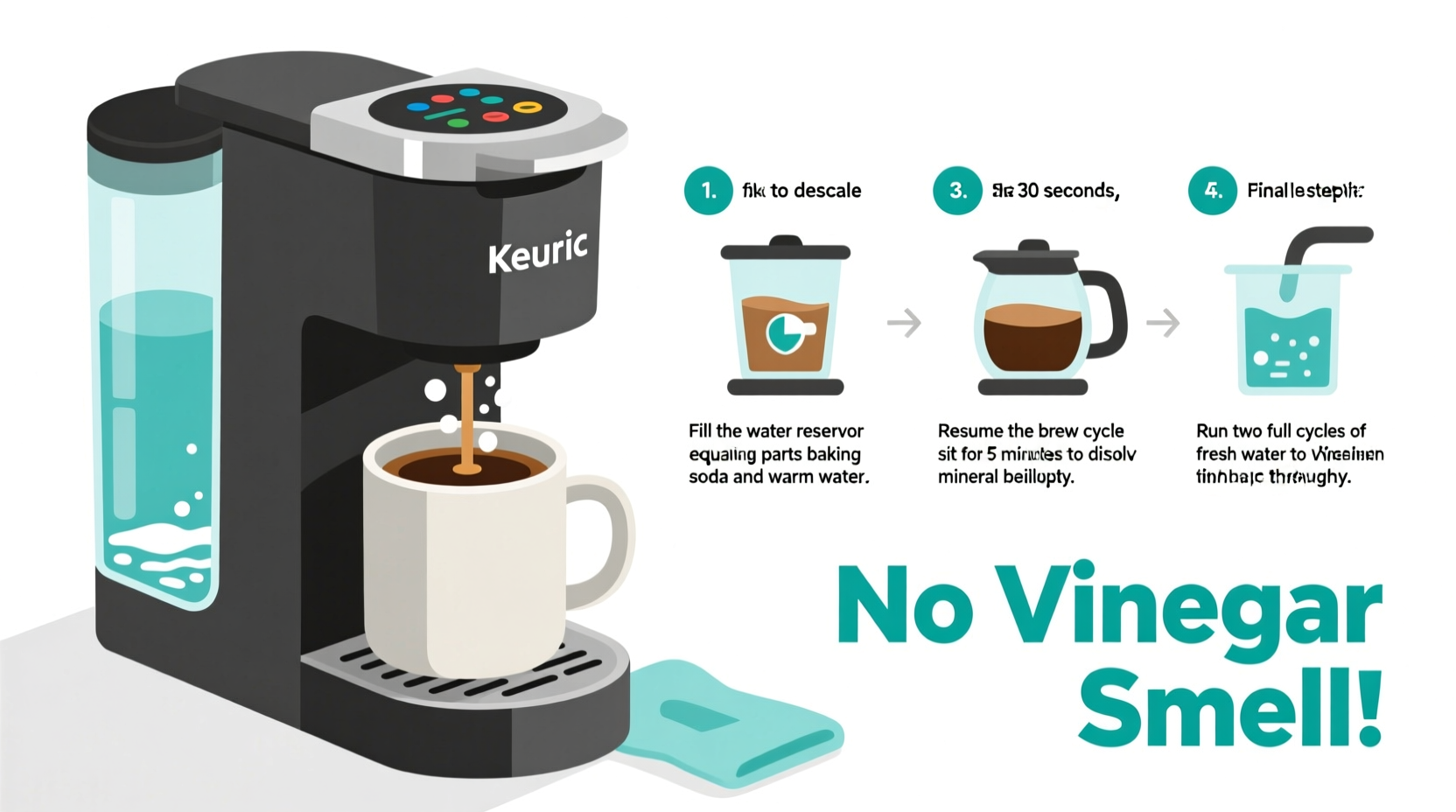
Vinegar—typically white distilled vinegar—is acidic enough to dissolve mineral deposits, which is why it's widely recommended. However, its drawbacks are real and often overlooked:
- Persistent odor: The smell lingers during and after descaling, sometimes affecting nearby food or stored appliances.
- Lingering taste: Even after multiple rinse cycles, some users detect a sour or sharp aftertaste in their coffee.
- Material concerns: Prolonged or frequent vinegar use may degrade rubber seals or plastic components over time.
“While vinegar works chemically, consumer feedback shows a clear preference for gentler, odor-free alternatives—especially in households where scent sensitivity matters.” — Dr. Alan Tran, Appliance Maintenance Researcher, Consumer Home Tech Lab
By choosing non-vinegar descaling methods, you maintain performance while preserving the sensory experience of your morning routine.
Best Alternatives to Vinegar for Descaling
Several effective substitutes break down scale without compromising flavor or comfort. Here’s a comparison of the top options:
| Alternative | How It Works | Pros | Cons |
|---|---|---|---|
| Citric Acid | Naturally derived acid; dissolves minerals efficiently | No odor, food-safe, inexpensive in powder form | Must be measured precisely; not always on hand |
| Fresh Lemon Juice | Contains natural citric acid (5–6%) | Pleasant scent, readily available, eco-friendly | Less concentrated; requires larger volume |
| Keurig Descaling Solution | Proprietary blend designed for Keurig systems | Optimized for machine safety, no odor, foolproof | More expensive than DIY options |
| Baking Soda + Citric Acid Mix | Combination creates mild effervescence to loosen scale | Gentle on components, uses pantry staples | Not as effective for heavy buildup |
Step-by-Step Guide: How to Descale Your Keurig Without Vinegar
Follow this detailed procedure using citric acid—the most effective and accessible vinegar alternative. If you're using lemon juice or a commercial solution, adjust quantities accordingly (see notes at end).
- Turn off and unplug the machine. Safety first. Allow the Keurig to cool completely if recently used.
- Empty the water reservoir. Remove the tank and discard any remaining water.
- Prepare the descaling solution. Mix 1 tablespoon (about 15 grams) of food-grade citric acid powder with 1 quart (32 oz / ~1 liter) of lukewarm water. Stir until fully dissolved. Alternatively, use the entire bottle of Keurig-branded descaler diluted in 1 liter of water, or 1 cup of fresh lemon juice mixed with 3 cups of water.
- Refill the reservoir with the solution. Pour the mixture into the water tank and reinsert it into the machine.
- Start the descaling mode. On most Keurig models (K-Classic, K-Elite, K-Supreme), press and hold the “Brew” button and “8 oz” button simultaneously for 3–5 seconds until lights blink. Refer to your model’s manual if unsure.
- Brew without a pod. Place a large mug on the drip tray. Press “Brew” to run a cycle. The machine will pump the solution through internal lines. Do not interrupt the cycle.
- Wait 30 minutes (pause for deep cleaning). After the first cycle, let the solution sit in the system for 30 minutes. This dwell time helps break down stubborn deposits. Keep the machine powered off during this period.
- Complete additional brew cycles. After waiting, turn the machine back on and run the descaling solution through 2–3 more cycles until the reservoir is nearly empty.
- Rinse thoroughly with clean water. Empty the reservoir, wash it with mild soap and water, then refill with fresh, cold water. Run at least 4–5 full brew cycles (without pause) to flush out all traces of descaler. Repeat if you detect any sourness or residue.
- Wipe exterior and reassemble. Use a damp microfiber cloth to clean the outside, drip tray, and needle area. Reattach any removed parts.
- Exit descaling mode. On most models, press and hold “Brew” and “8 oz” again for 3–5 seconds until lights stop blinking. The machine should return to normal operation.
“Allowing the descaling solution to dwell for 30 minutes increases effectiveness by up to 70% compared to running it straight through.” — Keurig Technical Support Bulletin, Rev. 2023
Real Example: A Home User’s Experience
Sarah, a teacher from Portland, Oregon, noticed her Keurig K-Mini was taking longer to brew and producing lukewarm coffee. She had avoided descaling because she shared a small kitchen with roommates and dreaded the vinegar smell. After researching alternatives, she tried citric acid—commonly used in canning—following the steps above.
She mixed one tablespoon of citric acid (bought online for $8 per pound) with a liter of water. After completing the full cycle—including the 30-minute soak—she ran five rinse cycles with filtered water. The difference was immediate: her coffee brewed faster, hotter, and tasted noticeably cleaner. More importantly, there was no odor in her apartment, and her roommates didn’t notice any disruption.
“I wish I’d known about citric acid sooner,” Sarah said. “It’s cheaper than the branded solution, and my machine feels like new. I’ll descale every three months now—no excuses.”
Essential Tips for Odor-Free Descaling Success
- Frequency matters: Descale every 3–6 months depending on water hardness and usage. Twice a year is ideal for average users.
- Avoid mixing agents: Never combine citric acid with vinegar or baking soda in the same session—it reduces effectiveness and may create excess pressure.
- Clean the needle regularly: Scale often blocks the exit needle. Use the provided cleaning tool monthly to prevent clogs.
- Use distilled water: If your tap water is very hard, switch to distilled or filtered water to minimize future buildup.
Descaling Checklist
Keep this checklist handy when preparing to descale your Keurig without vinegar:
- ☐ Unplug the machine and let it cool
- ☐ Remove and empty the water reservoir
- ☐ Prepare descaling solution (citric acid, lemon juice, or commercial product)
- ☐ Enter descaling mode using correct button combination
- ☐ Run 3–4 brew cycles with solution
- ☐ Let solution sit for 30 minutes
- ☐ Complete remaining solution cycles
- ☐ Rinse with clean water (4–5 cycles minimum)
- ☐ Wipe exterior and clean drip tray
- ☐ Exit descaling mode
- ☐ Brew a test cup (without pod) to confirm no residual taste
Frequently Asked Questions
Can I use apple cider vinegar instead of white vinegar to reduce the smell?
No. While apple cider vinegar has a slightly different scent, it still leaves behind organic residues and odors. It’s also less acidic than white vinegar, making it less effective. For odor-free results, skip all vinegars and opt for citric acid or a commercial descaler.
Is citric acid safe for my Keurig?
Yes. Food-grade citric acid is safe for internal components and commonly used in beverages and food preservation. Unlike vinegar, it doesn’t corrode rubber gaskets or degrade plastics with repeated use when properly rinsed.
How do I know when my Keurig needs descaling?
Your machine will often display a “DESCALE” light. Other signs include slower brewing, reduced water temperature, incomplete pod puncturing, or visible mineral flakes in the water reservoir. If you haven’t descaled in over six months, it’s likely time.
Final Thoughts and Call to Action
Maintaining your Keurig doesn’t require enduring unpleasant smells or harsh chemicals. With simple alternatives like citric acid or lemon juice, you can keep your coffee maker performing at its peak—quietly, safely, and odor-free. Regular descaling extends the life of your machine, improves coffee quality, and prevents costly repairs down the line.
Now that you have a clear, practical method, don’t wait for warning lights or sluggish brews. Schedule your next descaling session today. Share your favorite vinegar-free tip in the comments below—your insight could help another coffee lover enjoy a fresher, smoother cup tomorrow.




 浙公网安备
33010002000092号
浙公网安备
33010002000092号 浙B2-20120091-4
Comments
No comments yet. Why don't you start the discussion?