
Pet bib scarves are more than just stylish accessories—they serve a practical purpose during mealtime, protecting your pet’s fur from food stains and drool. However, frequent use means they quickly accumulate grease, saliva, crumbs, and bacteria. Without proper cleaning and maintenance, a dirty bib can become a breeding ground for odors and skin irritations. The good news is that with the right routine, caring for your pet’s bib scarf is simple, efficient, and can extend its lifespan significantly. This guide walks you through every essential step to keep your pet's bib clean, safe, and looking great.
Why Regular Cleaning Matters
Pet bibs come into direct contact with food, moisture, and facial oils. Over time, residue builds up in the fabric fibers, leading to persistent smells and potential mold growth—especially in humid environments. Unlike human clothing, pet accessories are often overlooked when it comes to hygiene, yet they require even more attention due to constant exposure to organic matter.
Regular cleaning prevents:
- Unpleasant odors from setting into the fabric
- Bacterial or fungal growth near your pet’s neck and chest
- Stiffness or discoloration of fabric due to dried food particles
- Wear and tear caused by embedded grime weakening fibers
“A bib worn daily should be cleaned at least once every two days. For pets prone to messy eating, post-meal wiping followed by weekly washing is ideal.” — Dr. Lena Torres, Veterinary Dermatologist
Step-by-Step Guide to Cleaning Your Pet Bib Scarf
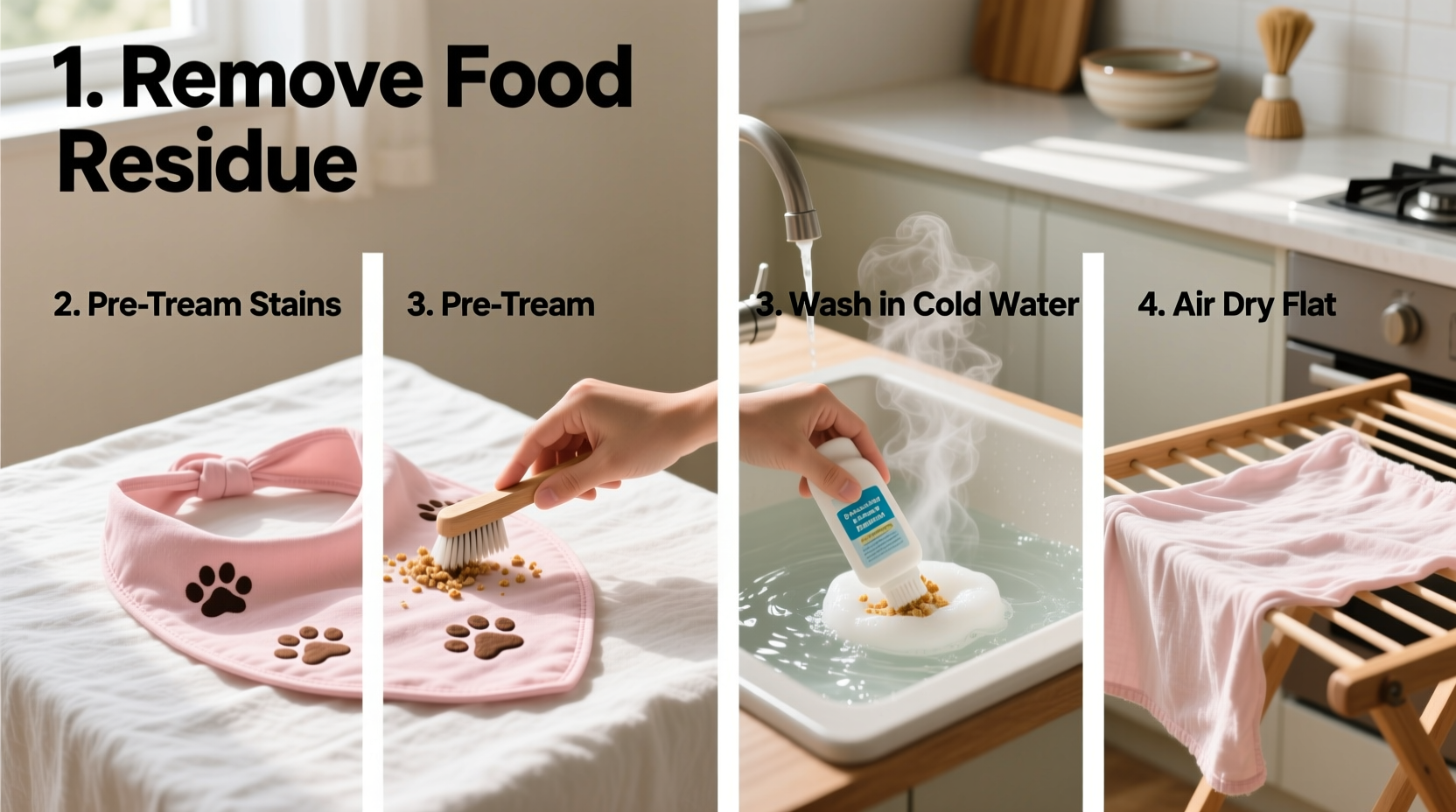
Cleaning doesn’t have to be complicated. Follow this five-step process to ensure thorough hygiene while preserving the material integrity of your pet’s bib.
- Remove Excess Debris
After each use, gently shake off loose crumbs or wipe away visible mess with a dry or slightly damp cloth. This prevents particles from embedding deeper during storage. - Spot Clean Immediately if Needed
If the bib has sauce stains, oil splatters, or drool marks, apply a small amount of pet-safe, fragrance-free detergent directly to the spot. Use a soft-bristle toothbrush or microfiber cloth to gently scrub the area in circular motions. - Pre-Treat Stains (If Applicable)
For stubborn stains like tomato-based sauces or muddy paw prints, create a paste using baking soda and water. Apply it to the stained area and let sit for 10–15 minutes before proceeding to wash. Avoid bleach or ammonia-based cleaners, which can damage fabric and irritate your pet’s skin. - Hand Wash or Machine Wash Safely
Check the care label first. Most cotton or polyester blends can be machine washed on a gentle cycle using cold water and mild detergent. If hand washing, fill a basin with lukewarm water and a capful of baby shampoo or pet-safe soap. Soak for 5–10 minutes, then rinse thoroughly until water runs clear.
Tip: Place the bib in a mesh laundry bag during machine washing to protect delicate trims or fasteners. - Dry Properly
Lay flat on a clean towel and reshape to original dimensions. Air drying is best—avoid direct sunlight or high heat, which can fade colors and warp elastic components. Never tumble dry unless explicitly stated on the label.
Material-Specific Care Tips
Not all bib scarves are created equal. The fabric type determines how aggressively you can clean and what drying methods are safe. Refer to this comparison table for best practices based on common materials.
| Material | Cleaning Method | Drying Recommendation | Avoid |
|---|---|---|---|
| Cotton | Machine or hand wash with mild soap | Air dry flat | High heat, wringing |
| Polyester Blend | Machine wash gentle cycle | Hang or lay flat | Bleach, ironing |
| Fleece-Lined | Hand wash only | Lay flat, away from heat | Tumble drying, soaking too long |
| Waterproof Nylon | Wipe down or hand rinse | Hang to dry | Machine wash (unless labeled safe) |
Real-Life Example: How One Owner Prevented Skin Irritation
Sarah adopted a golden retriever named Milo who loved messy meals. Within weeks, he developed redness under his chin and along his chest. After ruling out allergies, Sarah noticed his bib was often damp and stored in a basket under the sink—moisture trapped between uses.
She began wiping the bib after each meal and switching to a breathable cotton version. She also started washing it every other day instead of once a week. Within ten days, Milo’s irritation cleared up completely. A vet later confirmed that bacterial buildup on the damp fabric had been the likely culprit.
This case highlights how neglecting simple maintenance can lead to health issues—and how consistent care makes a tangible difference.
Monthly Maintenance & Longevity Tips
Beyond regular washing, periodic deep care helps preserve appearance and function. Incorporate these habits monthly:
- Inspect stitching and fasteners for signs of fraying or loosening.
- Soak in a vinegar-water solution (1 part white vinegar to 4 parts water) for 30 minutes to eliminate lingering odors.
- Use a lint roller to remove pet hair and dust buildup.
- Rotate between two bibs to reduce wear on a single piece.
“Rotating accessories and addressing small damages early can double the usable life of pet textiles.” — Marcus Lee, Pet Product Designer at Paws & Thread Co.
Frequently Asked Questions
Can I use baby wipes to clean the bib between washes?
Yes, but only alcohol-free, fragrance-free wipes designed for sensitive skin. Standard baby wipes may contain preservatives that irritate pets or degrade fabric over time. Wiping immediately after meals is an excellent interim practice.
How often should I replace my pet’s bib scarf?
With proper care, most quality bibs last 6–12 months. Replace if you notice persistent odors after washing, holes near stress points (like straps), or fading that compromises material strength.
Is it safe to use fabric softener?
No. Fabric softeners coat fibers and reduce absorbency, making bibs less effective at trapping spills. They can also leave residues that irritate your pet’s skin. Instead, add ½ cup of white vinegar to the rinse cycle as a natural softener and deodorizer.
Keep It Clean, Keep It Comfortable
Maintaining your pet’s bib scarf isn’t just about cleanliness—it’s about comfort, hygiene, and respect for your companion’s well-being. A few minutes of care after each meal can prevent bigger problems down the line, from unpleasant smells to skin conditions. By integrating simple routines like spot-wiping, timely washing, and proper drying, you ensure your pet stays happy, healthy, and stylish.




 浙公网安备
33010002000092号
浙公网安备
33010002000092号 浙B2-20120091-4
Comments
No comments yet. Why don't you start the discussion?