
A keychain is more than just a functional accessory—it often carries sentimental value, from keys to charms that mark milestones or memories. When the lobster clasp breaks, it doesn’t mean the end of its life. Replacing it is a straightforward DIY task that takes less than 15 minutes and requires only basic tools. Whether you’re repairing a gift, a travel souvenir, or your daily carry, this guide walks you through every step to restore your keychain with confidence.
Gather the Right Tools and Materials
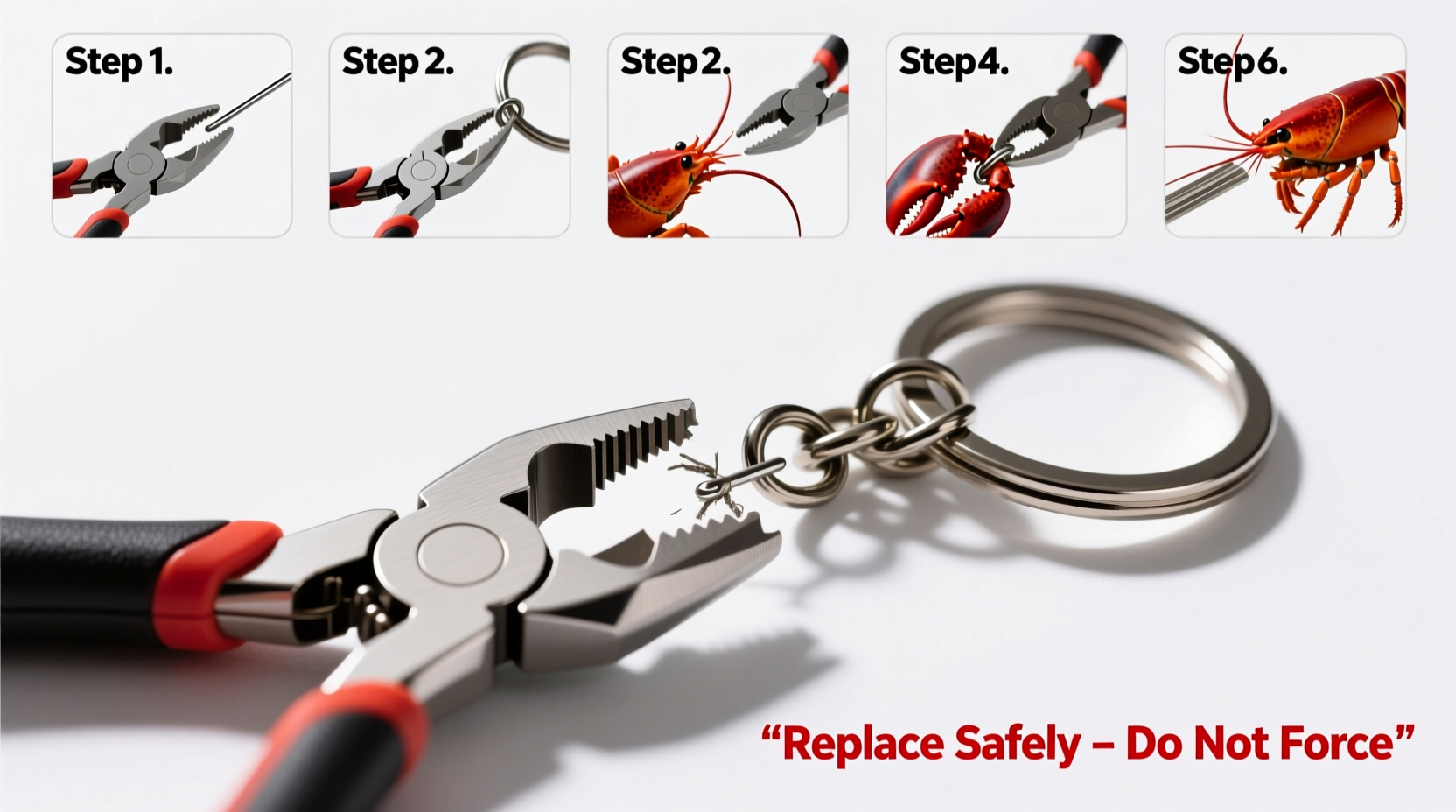
Before starting any repair, preparation ensures efficiency and safety. You’ll need a few essential items that are affordable and widely available at craft stores, hardware shops, or online retailers.
- Replacement lobster clasp (ensure it matches the size and metal type of your original)
- Jewelry pliers (flat-nose and chain-nose types offer the best grip)
- Split rings or jump rings (if reattaching to a ring-based system)
- Small wire cutters (optional, for trimming excess links)
- Magnifying glass (helpful for small components)
- Soft cloth (to protect delicate finishes during handling)
Understanding Lobster Clasps and Common Failure Points
Lobster clasps are spring-loaded mechanisms designed for secure attachment. They consist of a hook-shaped gate that opens when the lever is pressed and snaps shut when released. Over time, repeated use, exposure to moisture, or accidental drops can cause the spring to weaken or the hinge to crack.
The most common signs of failure include:
- The clasp fails to close completely
- It opens under light pressure
- You hear a loose rattle when shaking the keychain
- The lever feels stiff or doesn’t return smoothly
These issues compromise security—keys can slip off unexpectedly. Replacement is safer than attempting to repair internal springs, which are not user-serviceable.
“Replacing a worn clasp isn’t just about function—it’s a preventive measure. One dropped set of keys could mean lockout, replacement costs, or lost access.” — Daniel Reeves, Keychain Design Specialist at Urban Tether Co.
Step-by-Step Guide to Replace the Lobster Clasp
Follow this detailed sequence to remove the broken clasp and install a new one without damaging your keychain’s components.
- Secure your workspace. Lay down a soft cloth on a flat surface to prevent scratches and contain small parts.
- Inspect the current attachment method. Most keychains use a split ring connecting the clasp to a larger ring or charm. Some use a jump ring or direct loop connection.
- Open the split ring (or jump ring). Use two pairs of pliers—one to hold the base ring, another to gently twist the split ring open sideways. Never pull it apart like a staple; this distorts the shape.
- Remove the old clasp. Slide it off the ring once opened. If the clasp is soldered or fused (rare), use wire cutters to snip the connector loop carefully.
- Test-fit the new clasp. Before closing the ring, ensure the new clasp moves freely and aligns correctly with the rest of the chain or ring assembly.
- Attach the new clasp. Slide it onto the split ring in the same orientation as the original. This maintains balance and ease of use.
- Close the split ring securely. Using pliers, twist the ends back into alignment until there’s no gap. Press lightly to confirm it’s closed but still functional.
- Test the mechanism. Press the lever repeatedly to ensure smooth opening and strong snap-back. Attach and detach it from a test keyring to verify reliability.
Do’s and Don’ts When Replacing a Lobster Clasp
| Do’s | Don’ts |
|---|---|
| Match the metal type to avoid corrosion | Use mismatched metals (e.g., brass clasp on stainless steel chain) |
| Use proper pliers to open rings without distortion | Pull split rings apart with fingers or flat tools |
| Test the spring tension before finalizing | Assume all replacement clasps have equal quality |
| Clean hands and tools to avoid transferring oils | Work on carpet or uneven surfaces where small parts can roll away |
| Keep spare clasps on hand for future fixes | Force a stiff clasp—this may indicate poor manufacturing |
Real Example: Fixing a Sentimental Keychain After Travel Damage
Sarah returned from a hiking trip in Colorado to find her favorite keychain—the one with a compass charm from her grandmother—missing its clasp. She’d clipped it to her backpack, and after days of movement, the spring gave out. Instead of buying a new one, she followed these steps using a $3 replacement clasp from a local hobby store.
She used needle-nose pliers to open the tiny split ring without losing it, replaced the clasp, and realigned everything within ten minutes. The restored keychain now holds both her house and car keys, functioning better than before. “I didn’t think I could fix it myself,” she said later, “but doing it saved something irreplaceable.”
Checklist: Replace Your Lobster Clasp Like a Pro
- ✅ Identify the type of clasp and attachment ring
- ✅ Purchase a matching replacement clasp
- ✅ Prepare pliers and a clean, soft work surface
- ✅ Open the split or jump ring correctly (twist, don’t pull)
- ✅ Remove the broken clasp safely
- ✅ Install the new clasp and align properly
- ✅ Close the ring fully and check for gaps
- ✅ Test the latch action multiple times
- ✅ Inspect overall appearance and balance
- ✅ Store extra clasps for future repairs
Frequently Asked Questions
Can I replace a lobster clasp without pliers?
It’s strongly discouraged. Attempting to open split or jump rings with fingers or improvised tools risks injury, losing small parts, or permanently deforming the ring. Jewelry pliers cost under $10 and make the job significantly easier and safer.
Where can I buy replacement lobster clasps?
You can find them at craft stores (like Michaels or Hobby Lobby), hardware sections of big-box retailers, or online marketplaces such as Amazon, Etsy, or specialized suppliers like Rio Grande or Beadaholique. Look for packs labeled “assorted sizes” for versatility.
How do I know what size clasp to buy?
Measure the inner diameter of the existing ring or loop where the clasp attaches. Standard sizes range from 4mm to 8mm. Bring the old clasp with you when shopping, or take a clear photo next to a ruler for reference.
Final Thoughts and Next Steps
Replacing a broken lobster clasp is a small act with significant impact. It preserves personal items, avoids unnecessary waste, and builds practical skills. With the right tools and attention to detail, anyone can complete this repair confidently—no prior experience required.
Now that your keychain is secure again, consider inspecting other frequently used accessories. Zippers, belt buckles, and bag clasps benefit from similar proactive maintenance. A little care goes a long way in extending the life of everyday essentials.




 浙公网安备
33010002000092号
浙公网安备
33010002000092号 浙B2-20120091-4
Comments
No comments yet. Why don't you start the discussion?