
A clean and well-maintained HEPA filter is essential for ensuring your Philips SpeedPro Max vacuum delivers peak performance, extends its lifespan, and maintains healthy indoor air quality. Over time, dust, allergens, and microscopic debris accumulate in the filter, reducing suction power and potentially releasing contaminants back into the air. Unlike standard filters, the HEPA (High-Efficiency Particulate Air) filter in your SpeedPro Max captures 99.97% of particles as small as 0.3 microns—making regular maintenance not just beneficial but necessary. This guide provides a detailed, practical approach to cleaning and caring for your filter correctly, avoiding common mistakes, and maximizing your vacuum’s efficiency.
Understanding Your Philips SpeedPro Max HEPA Filter
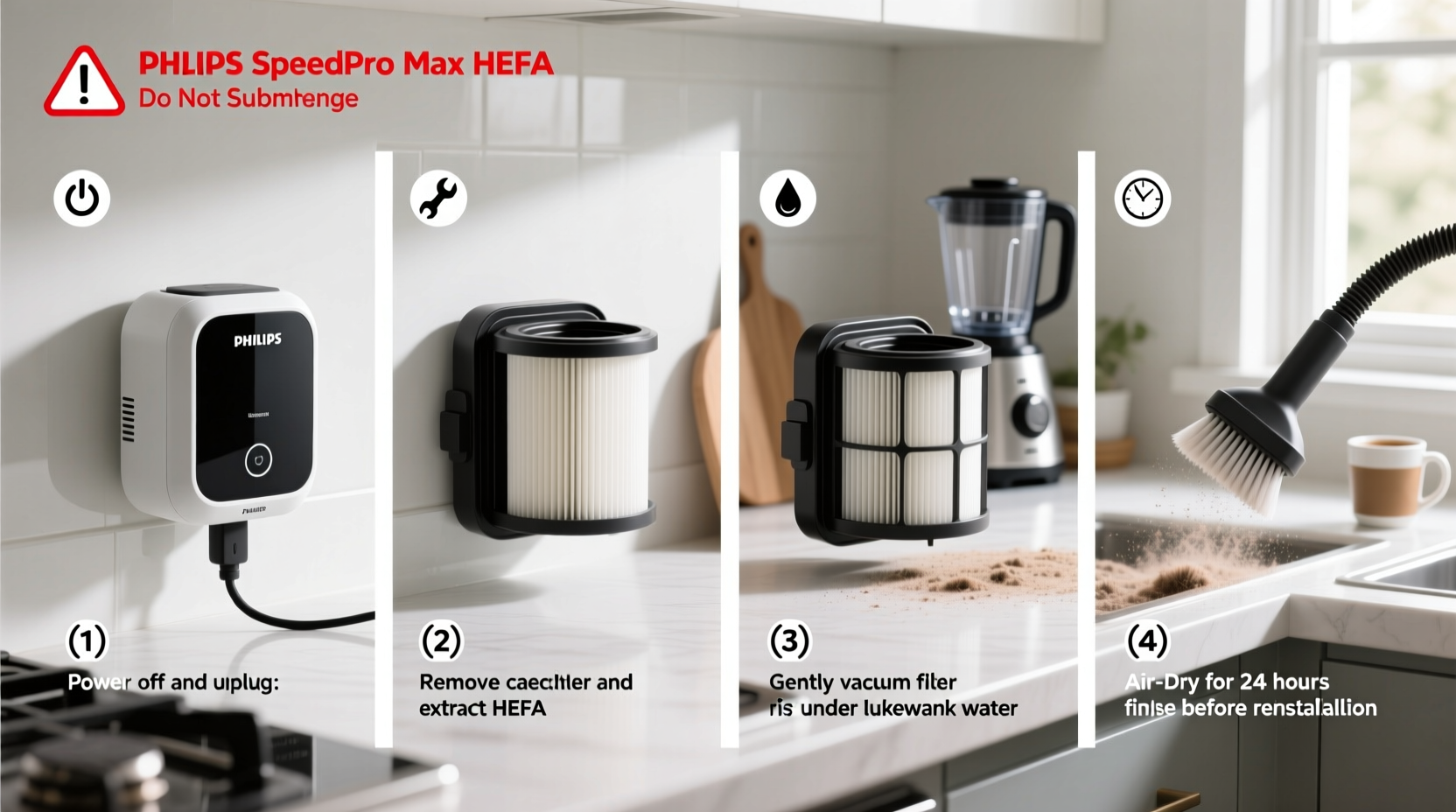
The Philips SpeedPro Max series uses a multi-stage filtration system, with the HEPA filter serving as the final barrier before air is expelled back into your home. This filter traps fine particles such as pollen, pet dander, mold spores, and even bacteria. It is typically located behind a rear or side panel and is designed to be washable—unlike many disposable HEPA filters used in other brands.
Because it's reusable, proper care ensures long-term savings and environmental benefits. However, improper cleaning or drying can damage the filter media, reduce airflow, or promote mold growth. The manufacturer recommends cleaning the HEPA filter every three months under normal use, though homes with pets, smokers, or allergy sufferers may need monthly maintenance.
“Washable HEPA filters are cost-effective and eco-friendly, but only if cleaned and dried properly. A damp filter becomes a breeding ground for microbes.” — Dr. Lena Torres, Indoor Air Quality Specialist
Step-by-Step Guide to Cleaning the HEPA Filter
Cleaning your Philips SpeedPro Max HEPA filter doesn’t require special tools, but following the correct sequence prevents damage and ensures thorough results. Here’s how to do it safely and effectively:
- Power Off and Unplug: Always turn off and unplug the vacuum before accessing internal components. Safety first.
- Locate the Filter Housing: Depending on your model, open the rear or side access panel where the filter is housed. Refer to your user manual if unsure.
- Remove the HEPA Filter: Gently slide or lift the filter out. Avoid pulling on wires or connectors if near electrical parts.
- Vacuum Loose Debris: Use a soft brush attachment on another vacuum to remove surface dust from both sides of the filter. Do not tap or shake aggressively—this can damage the pleated media.
- Rinse Under Cool Water: Hold the filter under lukewarm running water, starting from the clean side (usually labeled). Let water flush trapped particles from the dirty side. Never submerge or scrub.
- Inspect for Residue: Check for stubborn buildup. If present, gently rinse again. Never use soap, detergent, or cleaning agents—they degrade the filter fibers.
- Drain and Shake: Lightly shake excess water. Do not wring or squeeze.
- Air-Dry Completely: Place the filter vertically in a well-ventilated area, away from direct sunlight or heat sources. Allow 24–48 hours to dry fully. Never reinstall a damp filter.
- Reinstall Properly: Once dry, reinsert the filter into its housing, ensuring it clicks or fits securely. Close the panel.
Do’s and Don’ts: Filter Maintenance Best Practices
| Do’s | Don’ts |
|---|---|
| Use cool or lukewarm water only | Never use hot water—it warps the frame and damages fibers |
| Dry in a shaded, airy space | Avoid placing near radiators, ovens, or in direct sun |
| Clean every 3 months (or monthly with pets) | Don’t wait until suction noticeably drops |
| Pre-clean with a soft brush | Never use soap, bleach, or chemical cleaners |
| Check seals and housing for dust buildup | Don’t force the filter if it doesn’t fit easily |
Real-World Example: How Regular Maintenance Saved Performance
Sarah, a pet owner in Portland, noticed her SpeedPro Max wasn’t picking up hair as efficiently after six months of use. She assumed the motor was failing. Instead of replacing the unit, she consulted the manual and discovered her HEPA filter hadn’t been cleaned since purchase. After rinsing and drying it thoroughly, suction power returned instantly. “I didn’t realize how much dog hair was clogging the filter,” she said. “Now I clean it every month—it runs like new.”
This case illustrates how neglecting a simple maintenance task can mimic mechanical failure. Regular filter care often resolves perceived performance issues without costly repairs or replacements.
Frequently Asked Questions
Can I wash the HEPA filter in the dishwasher or washing machine?
No. Dishwashers and washing machines use high-pressure water, detergents, and agitation that will destroy the delicate HEPA media. Always hand-rinse under gentle running water.
How do I know when the filter needs replacement?
Even with proper care, HEPA filters degrade over time. Replace yours every 12–18 months, or sooner if you notice tears, warped frames, persistent odor, or reduced suction after cleaning. Philips recommends replacement every 18 months under normal conditions.
Is it safe to run the vacuum without the HEPA filter?
No. Operating the vacuum without the filter allows fine particles to recirculate into the air and can damage internal components due to unfiltered airflow. Always ensure the filter is installed and dry before use.
Extending Filter Life: Pro Tips for Long-Term Care
Beyond routine cleaning, a few strategic habits can significantly extend your filter’s lifespan and efficiency:
- Empty the Dust Container Frequently: A full bin increases strain on the filter. Empty it after every major cleaning session.
- Use the Right Attachments: For hard floors, use the hard floor nozzle to minimize dust intake; for carpets, switch to deep-cleaning mode only when needed.
- Avoid Wet Messes: The HEPA filter is not designed for wet pickup. Using the vacuum on spills can saturate the filter and lead to mold.
- Store Properly: When not in use, keep the vacuum in a dry, temperature-stable area. Humidity accelerates filter degradation.
- Inspect Monthly: Even if not cleaning, visually check the filter for discoloration, odor, or blockage.
“The biggest mistake users make is assuming ‘out of sight, out of mind.’ Filters hidden inside the machine still need attention.” — Raj Mehta, Appliance Engineer at Philips Consumer Solutions
Conclusion: Make Filter Care a Habit
Your Philips SpeedPro Max is engineered for powerful, hygienic cleaning—but only when its components are maintained. The HEPA filter plays a critical role in protecting your home’s air quality and preserving the vacuum’s longevity. By following this step-by-step cleaning process, adhering to best practices, and staying proactive with inspections, you ensure consistent performance and avoid unnecessary wear.
Start today: Remove your filter, assess its condition, and schedule your next cleaning. Small efforts now prevent big problems later. Share your maintenance tips or experiences in the comments below—your insight could help another user breathe easier.




 浙公网安备
33010002000092号
浙公网安备
33010002000092号 浙B2-20120091-4
Comments
No comments yet. Why don't you start the discussion?