
Acne scars can linger long after breakouts have healed, affecting confidence and skin texture. While professional treatments exist, many effective solutions are available right from your local drugstore. Over-the-counter (OTC) skincare has advanced significantly, offering accessible, science-backed ingredients that target discoloration, uneven tone, and textural irregularities caused by acne. With consistency and the right approach, visible improvement is achievable—without a prescription or dermatologist visit.
The key lies in understanding the type of scar you're dealing with and selecting ingredients proven to support skin renewal. This guide walks through a practical, step-by-step method to fade acne scars safely and effectively using only OTC products.
Understanding Acne Scars: Why They Form and What Types Exist
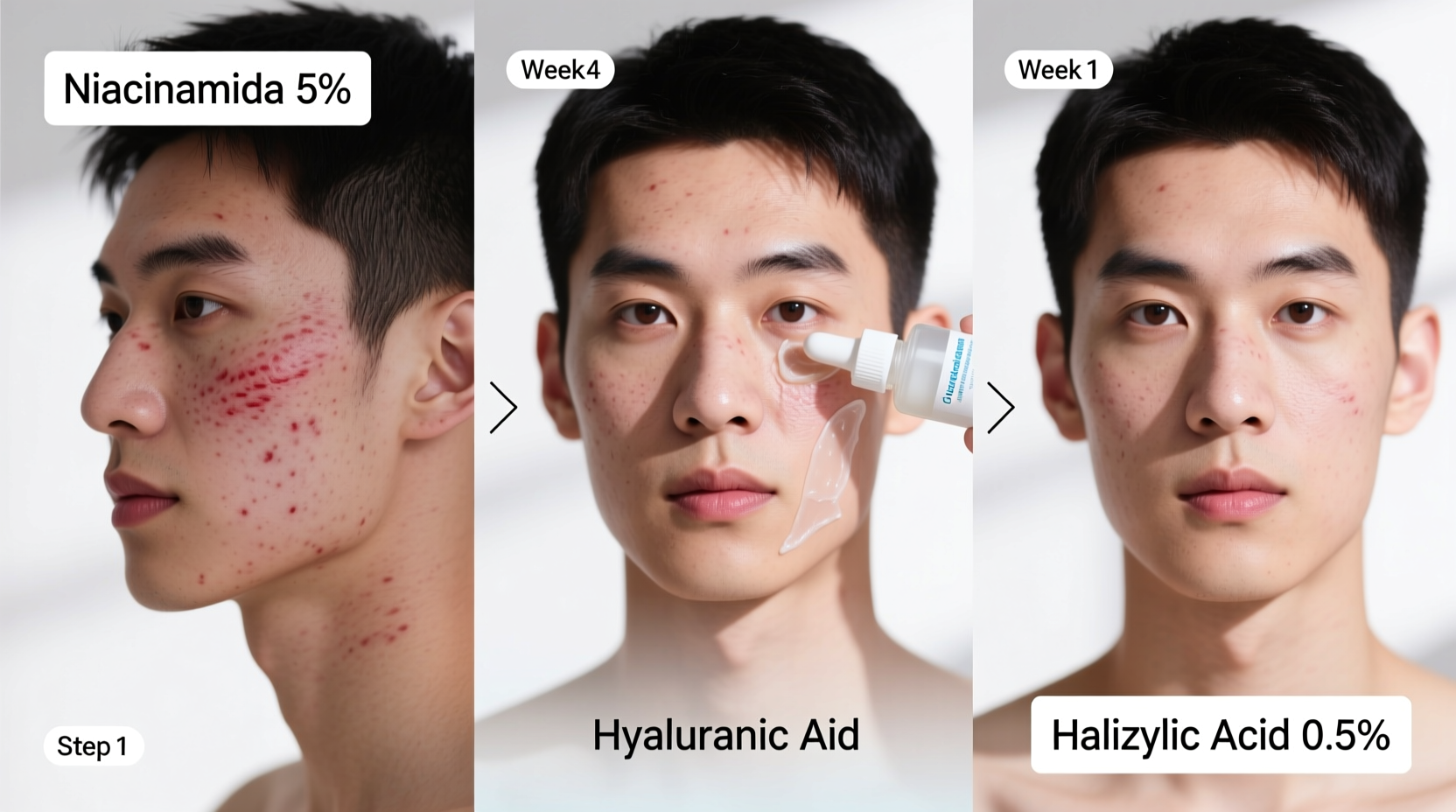
Acne scars aren't all the same. They fall into two broad categories: post-inflammatory hyperpigmentation (PIH) and structural scarring. PIH appears as flat, discolored spots—ranging from pink to brown or purple—left behind after inflamed pimples heal. These are more common in people with darker skin tones due to increased melanin production during healing.
Structural scars involve changes in skin texture. These include:
- Atrophic scars: Indented or pitted scars, such as icepick, boxcar, or rolling types.
- Hypertrophic or keloid scars: Raised tissue caused by excess collagen, more common on the chest or back.
Most OTC treatments work best on PIH and mild textural changes. For deep indentations or raised scars, clinical procedures may be necessary, but early intervention with topical care can prevent worsening and improve surface appearance.
“Even mild over-the-counter actives, when used consistently, can significantly reduce the appearance of superficial acne marks within 6–12 weeks.” — Dr. Lena Patel, Board-Certified Dermatologist
Key Over-the-Counter Ingredients That Fade Acne Scars
Not all skincare ingredients are created equal. The following have been clinically shown to accelerate skin turnover, inhibit excess pigment, and promote smoother texture—all critical for fading scars.
1. Niacinamide (Vitamin B3)
Niacinamide reduces inflammation and regulates melanin transfer, making it ideal for treating dark spots without irritation. It also strengthens the skin barrier, which helps prevent future breakouts.
2. Alpha Arbutin
A gentle tyrosinase inhibitor, alpha arbutin blocks melanin production at the source. It’s particularly effective for fading stubborn brown marks and evens out skin tone over time.
3. Azelaic Acid
Available in 10% OTC formulas, azelaic acid calms redness, targets pigmentation, and gently exfoliates. It’s well-tolerated even by sensitive and rosacea-prone skin.
4. Glycolic Acid & Lactic Acid (AHAs)
These water-soluble acids exfoliate the top layer of dead skin cells, accelerating cell turnover and revealing fresher, brighter skin underneath. Glycolic acid penetrates deeply; lactic acid is more hydrating and suitable for dry skin.
5. Salicylic Acid (BHA)
Oil-soluble and able to penetrate pores, salicylic acid clears debris and reduces inflammation. While primarily an acne preventative, its exfoliating action helps smooth rough patches and fade surface discoloration.
6. Vitamin C (L-ascorbic acid)
A potent antioxidant, vitamin C inhibits melanin formation and brightens dull skin. It also supports collagen synthesis, improving skin firmness and reducing the depth of shallow scars.
Step-by-Step Routine to Fade Acne Scars Over 8 Weeks
Fading scars isn’t instant—it requires patience and a consistent routine. Below is a dermatologist-informed timeline using only OTC products. Adjust based on your skin sensitivity.
Weeks 1–2: Prep and Protect
Begin by establishing a clean base. Introduce one active at a time to avoid overwhelming your skin.
- Cleanse twice daily with a gentle, non-comedogenic cleanser (e.g., CeraVe Hydrating Cleanser).
- Apply a niacinamide serum (5%) every evening after cleansing.
- Morning: Use a vitamin C serum (10–15%) followed by moisturizer and SPF 30+.
- Wear sunscreen daily—even indoors. UV exposure worsens pigmentation.
This phase builds tolerance and protects against further damage. Avoid exfoliants initially if your skin is reactive.
Weeks 3–4: Introduce Exfoliation
Now that your skin is acclimated, begin chemical exfoliation to remove pigmented surface cells.
- Add a glycolic or lactic acid toner (5–10%) 2–3 times per week at night, after cleansing and before serums.
- Continue niacinamide and vitamin C as before.
- Alternate nights: Use azelaic acid (10%) instead of niacinamide for added brightening.
- Moisturize well—exfoliants can cause dryness.
Never combine strong acids with retinoids or high-concentration vitamin C until your skin adjusts. Start slowly to minimize irritation.
Weeks 5–6: Target Pigmentation
Boost fading power with precision ingredients.
- Incorporate alpha arbutin serum in your PM routine, applied after exfoliation and before moisturizer.
- Use sunscreen without fail. Sun exposure reverses progress.
- If tolerated, increase AHA use to every other night.
- Hydrate with ceramide-rich moisturizers to maintain barrier health.
Weeks 7–8: Maintain and Assess
Evaluate results and refine your regimen.
- Assess scar appearance under natural light. Look for reduced darkness and smoother texture.
- If no irritation, consider adding salicylic acid (0.5–2%) 1–2 times weekly to refine pores and prevent new acne.
- Rotate actives: e.g., Monday – vitamin C, Wednesday – glycolic acid, Friday – azelaic acid.
- Stay consistent—most users see 40–60% improvement in PIH after eight weeks.
Do’s and Don’ts When Treating Acne Scars
| Do’s | Don’ts |
|---|---|
| Use sunscreen daily (broad-spectrum SPF 30+) | Skimp on sun protection—even on cloudy days |
| Introduce one new product at a time | Layer multiple strong actives simultaneously |
| Be patient—results take 6–12 weeks | Over-exfoliate hoping for faster results |
| Moisturize to support skin barrier | Use abrasive scrubs or loofahs on scarred areas |
| Stick to non-comedogenic, fragrance-free formulas | Use alcohol-heavy toners or perfumed products |
Realistic Expectations: A Mini Case Study
Sophia, 27, struggled with persistent PIH after years of hormonal acne. She avoided dermatologists due to cost and began researching OTC options. Starting with a basic routine—niacinamide in the evenings and vitamin C in the mornings—she added a 10% glycolic acid toner three times a week after two weeks. She wore SPF 35 daily, even while working from home.
By week six, she noticed her cheek and jawline marks were less visible, especially under morning light. At eight weeks, friends commented that her skin looked “clearer.” While not completely gone, the scars had faded by about 60%. She continued the regimen, rotating in azelaic acid for additional brightening. After four months, only faint shadows remained.
Her success came from consistency, sun protection, and gradual layering of ingredients—not miracle products.
Essential Checklist for Fading Acne Scars at Home
Follow this checklist to stay on track and maximize results:
- ☑ Identify your scar type (PIH vs. textured)
- ☑ Choose 1–2 key actives to start (e.g., niacinamide + SPF)
- ☑ Patch test all new products
- ☑ Apply sunscreen every morning, rain or shine
- ☑ Introduce exfoliants slowly (1–2x/week)
- ☑ Avoid picking or squeezing active acne
- ☑ Stay hydrated and support skin health with balanced nutrition
- ☑ Take monthly photos to track progress objectively
- ☑ Discontinue any product causing redness, burning, or peeling
- ☑ Reassess after 8 weeks and adjust as needed
Frequently Asked Questions
Can I use OTC products if I have sensitive skin?
Yes, but proceed cautiously. Start with gentler ingredients like niacinamide, azelaic acid, or low-concentration lactic acid. Avoid fragranced or alcohol-based formulas. Perform patch tests and limit exfoliation to once a week. If irritation occurs, scale back and focus on barrier repair with ceramides and squalane.
How long does it take to see results?
Most people notice improvements in 6–8 weeks with consistent use. Post-inflammatory hyperpigmentation typically fades within 3–6 months. Textural scars may require longer or professional intervention. Patience and daily sunscreen are essential—UV exposure can prolong healing.
Can I combine OTC ingredients with prescription treatments?
Only under medical guidance. Combining retinoids, high-strength acids, or hydroquinone with OTC actives can lead to over-exfoliation or irritation. If using a prescription (like tretinoin), consult your dermatologist before adding new products to avoid compromising your skin barrier.
Conclusion: Your Skin Can Improve—Start Today
Fading acne scars doesn’t require expensive lasers or invasive procedures. With informed choices and disciplined routines, over-the-counter ingredients offer real, measurable results. The foundation lies in understanding your skin, choosing evidence-based actives, and protecting against sun damage every single day.
Progress may be gradual, but each step builds toward a clearer, more even complexion. Begin with one change—perhaps adding niacinamide or upgrading your sunscreen—and build from there. Your future self will thank you for the care you invest today.




 浙公网安备
33010002000092号
浙公网安备
33010002000092号 浙B2-20120091-4
Comments
No comments yet. Why don't you start the discussion?