
Introducing your dog to a leash is one of the most important foundations of responsible pet ownership. Whether you’re working with a puppy or an older rescue, leash training shapes how safely and confidently your dog interacts with the world. Many dogs resist the leash at first—due to fear, overstimulation, or lack of experience. But with patience, consistency, and positive reinforcement, even the most hesitant dog can learn to enjoy walks. This guide breaks down the process into manageable steps, helping you build trust and comfort from the very beginning.
Understanding Your Dog’s Perspective
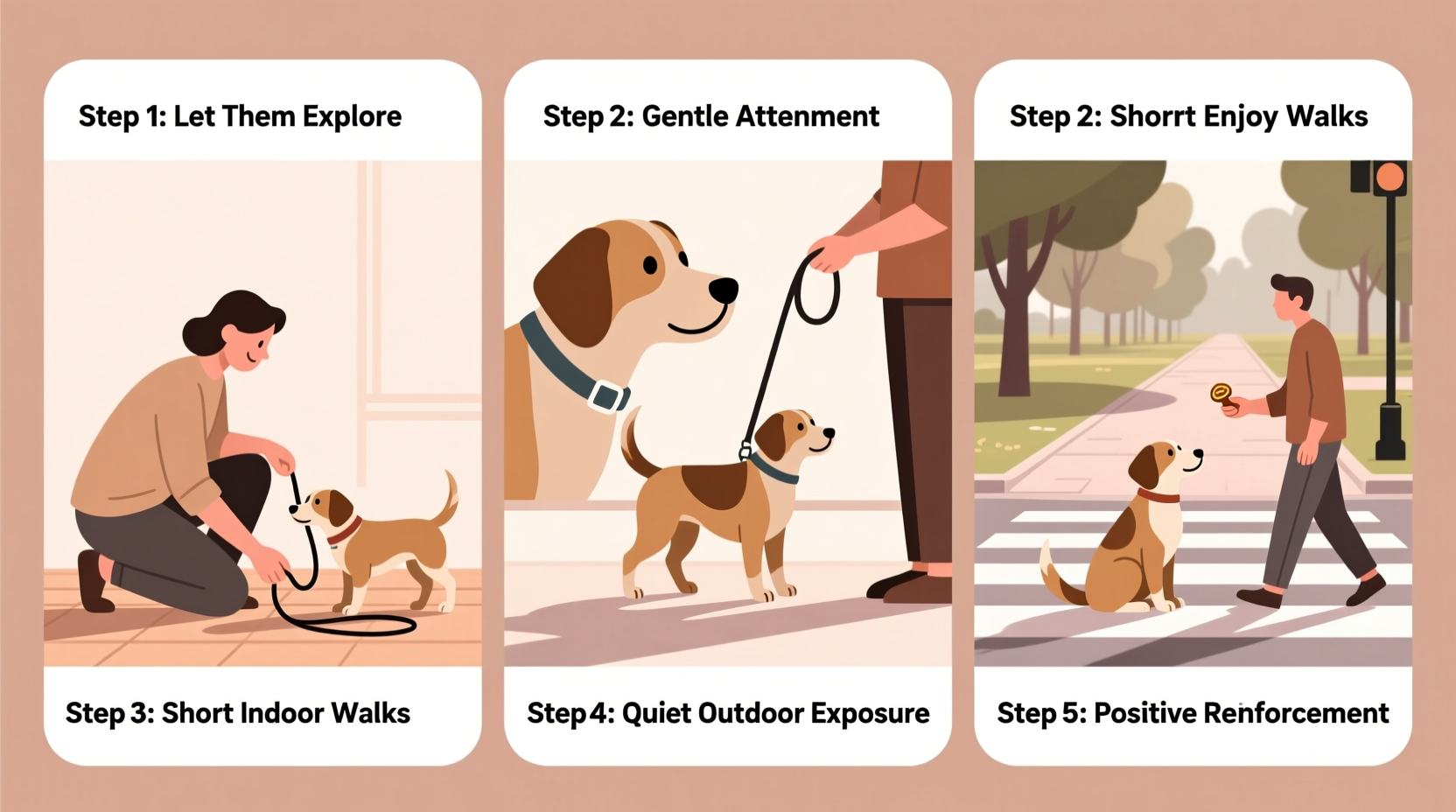
To your dog, a leash is not natural. In the wild, animals move freely without restraints. A collar and leash may initially feel restrictive or confusing, especially if introduced abruptly. Dogs may react by freezing, pulling, whining, or trying to remove the gear. These behaviors aren’t defiance—they’re expressions of discomfort or uncertainty.
Successful leash introduction begins with empathy. Instead of forcing compliance, focus on creating positive associations. Use treats, praise, and calm repetition to teach your dog that the leash means good things: attention, exploration, and rewards.
“Dogs don’t resist the leash because they’re stubborn—they resist because they haven’t learned to trust it yet.” — Dr. Karen Becker, Veterinary Behaviorist
Essential Gear and Preparation
Before starting training, ensure you have the right equipment. Poorly fitted or inappropriate gear can cause physical discomfort and reinforce negative associations.
| Item | Recommended Choice | Avoid |
|---|---|---|
| Collar | Well-fitted nylon or padded collar | Tight or metal choke collars |
| Harness | Front-clip harness for pullers | Back-clip harnesses if prone to pulling |
| Leash | 4–6 foot standard leash (not retractable) | Retractable leashes during early training |
| Treats | Soft, pea-sized high-value treats | Large or crumbly treats |
Step-by-Step Leash Training Process
Follow this gradual timeline to help your dog transition smoothly from leash novice to confident walker.
- Day 1–3: Introduce the Equipment Indoors
Let your dog sniff the leash and harness. Clip it on briefly while giving treats. Remove after a few seconds. Repeat several times a day without tension. - Day 4–7: Build Positive Associations
Attach the leash and immediately play, feed a meal, or go to a favorite spot. Never use the leash to correct or restrict during this phase. Goal: “Leash = something good happens.” - Week 2: Practice Movement Indoors
With the leash attached, walk around the house. Call your dog’s name or use a treat to encourage them to follow. Reward any forward motion. If they resist, stop and wait—don’t pull. - Week 3: Transition to Outdoor Time
Go outside but don’t expect walking. Let your dog stand, sniff, or sit with the leash slack. Offer treats for calm behavior. Keep sessions under 5 minutes. - Week 4+: Begin Short Walks
Walk five to ten paces in a quiet area. Stop, reward, and return. Gradually increase distance as your dog shows confidence. Always end on a positive note.
Handling Common Challenges
- Dog lies down or refuses to move: Wait calmly. Lure with a treat just ahead of their nose. Avoid tugging.
- Dog lunges or pulls: Stop moving. Stand still until the leash loosens, then reward and continue. Consistency teaches self-control.
- Dog bites the leash: Redirect with a toy or treat. Use a leather or reinforced leash to prevent chewing damage.
Real-Life Example: Transforming a Fearful Rescue
Milo, a two-year-old mixed breed, was adopted from a rural shelter. His first walk ended in panic—he froze, then bolted when a car passed. His owner, Sarah, paused formal walks and instead began leash conditioning at home.
For two weeks, she clipped the leash during meal prep and let Milo drag it (supervised) while exploring the backyard. She tossed treats whenever the leash touched the ground. Indoors, she played chase games with the leash attached. By week three, Milo followed her willingly across the yard. Their first real walk lasted only 90 seconds—but he looked back at her, tail wagging, expecting a treat.
Within six weeks, Milo walked confidently around the block. The key wasn’t speed—it was letting Milo set the pace while building trust through predictability and reward.
Do’s and Don’ts of Leash Training
| Do | Don’t |
|---|---|
| Use high-value treats like chicken or cheese | Punish fear or hesitation |
| Keep training sessions short (3–5 minutes) | Force your dog past their comfort zone |
| Practice in low-distraction environments first | Use retractable leashes during training |
| End each session with success and praise | Rush progression to longer walks |
| Be consistent with cues and routines | Yank or jerk the leash to correct behavior |
Frequently Asked Questions
How long does it take to leash-train a dog?
Most dogs show progress within 2–4 weeks, but full confidence can take several months, especially for fearful or undersocialized dogs. The timeline depends on temperament, prior experiences, and consistency in training.
My dog pulls even after training. What should I do?
Pulling is common. Revert to foundational training: practice loose-leash walking in quiet areas using the “stop-and-go” method. Consider a front-clip harness to reduce strain. Enroll in a group class if needed for structured support.
Can I start leash training a senior dog?
Absolutely. Older dogs can learn new routines, though adjustments may be needed for mobility or hearing loss. Use gentle encouragement and keep walks short initially. Consult your vet if arthritis or fatigue is a concern.
Final Checklist for Success
- ✅ Choose the right collar or harness for your dog’s size and behavior
- ✅ Introduce the leash indoors with zero pressure
- ✅ Pair the leash with treats, play, and positive events
- ✅ Practice short indoor “follow” exercises before going outside
- ✅ Start outdoor exposure in quiet, safe spaces
- ✅ Keep sessions brief and end on a positive note
- ✅ Progress slowly—don’t rush distance or duration
- ✅ Stay calm and patient, even when setbacks occur
Conclusion: Building Confidence One Step at a Time
Leash training isn’t just about control—it’s about connection. When your dog walks beside you willingly, it reflects trust, communication, and mutual respect. Every small victory, from tolerating the harness to taking the first independent step on a walk, is a milestone worth celebrating.
There’s no universal timeline, and every dog learns differently. What matters most is consistency, kindness, and the willingness to meet your dog where they are. With time, the leash becomes less of a restraint and more of a shared pathway to discovery.




 浙公网安备
33010002000092号
浙公网安备
33010002000092号 浙B2-20120091-4
Comments
No comments yet. Why don't you start the discussion?