
Going live on Facebook within a group setting offers a powerful opportunity to connect directly with a targeted audience. Unlike broad public broadcasts, group livestreams foster intimacy, encourage participation, and build community trust. Whether you're an entrepreneur, educator, or community leader, leveraging Facebook Live in groups can amplify your message and deepen relationships. The key lies not just in going live, but in doing so strategically to maximize engagement before, during, and after the broadcast.
Why Group Livestreams Outperform General Broadcasts
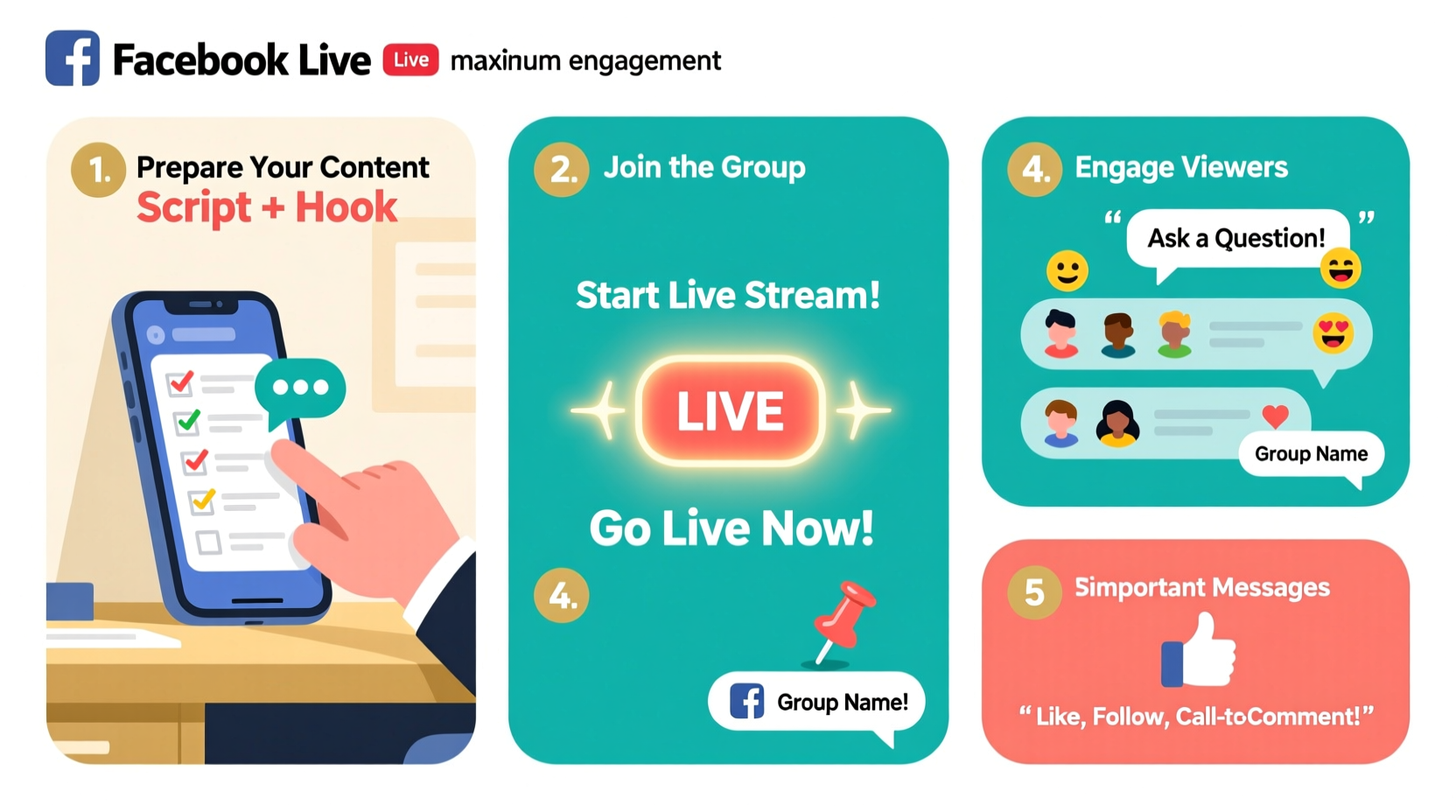
Facebook groups are designed for focused interaction. Members join because they share interests, goals, or challenges. When you go live in such an environment, you’re speaking directly to people already invested in the topic. This built-in relevance increases watch time, comments, and shares—key metrics Facebook’s algorithm rewards.
According to social media researcher Dr. Lena Torres, “Group-based livestreams see up to 3.5 times more comments than public ones because of the sense of belonging and lower social inhibition.” In closed or private groups, members feel safer engaging, asking questions, and sharing opinions.
“Engagement in niche communities isn’t about reach—it’s about resonance. A 20-person active group can generate more meaningful impact than a 10,000-follower page.” — Dr. Lena Torres, Digital Engagement Analyst
Pre-Live Preparation: Setting the Stage for Success
The foundation of a high-engagement livestream is laid days before you hit “Go Live.” Thoughtful preparation ensures technical reliability, audience anticipation, and content clarity.
Create a Pre-Live Checklist
- Confirm group admin permissions (you must be a member or admin to go live)
- Choose a clear, benefit-driven title (e.g., “Live Q&A: How to Double Your Productivity This Week”)
- Schedule the stream using Facebook’s native scheduling tool (if available)
- Test your internet connection (minimum 5 Mbps upload speed recommended)
- Charge devices and use a tripod or stable surface
- Prepare talking points or a loose script to stay on track
- Promote the event in the group feed with a pinned post
Selecting the Right Time and Topic
Timing affects attendance. For most groups, optimal windows are weekday evenings (7–9 PM local time) or weekend mornings (9–11 AM). Use group insights or past post engagement data to determine when members are most active.
Topic selection should align with group interests. Review recent discussions, polls, or frequently asked questions. If the group centers on fitness, consider a “5-Minute Desk Stretch Routine” instead of a generic workout demo.
The Step-by-Step Process to Go Live in a Facebook Group
Executing a smooth livestream requires precision. Follow this sequence to ensure nothing is overlooked.
- Open the Facebook app (recommended over desktop for real-time interaction)
- Navigate to the target group via search or your groups list
- Tap the “Create” button at the top of the group page
- Select “Go Live” from the menu options
- Add a compelling description that includes:
- What viewers will learn or gain
- How long the stream will last (e.g., “15-minute tips + Q&A”)
- A call to action (“Comment ‘YES’ if you’re here!”)
- Tap “Go Live” to begin broadcasting
- Start with a warm welcome, state your name, and acknowledge early viewers by name if possible
Boosting Engagement During the Stream
Passive viewing leads to low retention. Active facilitation keeps energy high and encourages real-time interaction.
Engagement Techniques That Work
| Technique | How to Implement | Expected Impact |
|---|---|---|
| Call out commenters | “Thanks for joining, Sarah! What’s your biggest challenge with time management?” | Increases personal connection and encourages others to comment |
| Pose quick polls | “Type 1 for yes, 2 for no: Have you tried morning journaling?” | Drives instant participation without requiring typing |
| Use visual aids | Hold up a printed checklist or show a slide on screen | Enhances understanding and retention |
| Announce mini-giveaways | “First three to comment get a free productivity template!” | Sparks urgency and excitement |
Maintain eye contact with the camera, speak clearly, and pause frequently to read and respond to comments. Assign a co-host or moderator if possible to manage spam, highlight key messages, and assist with replies.
Real Example: Building Trust Through Consistency
Jamal runs a private Facebook group for freelance writers. Every Thursday at 8 PM, he goes live with a “Freelance Flash Tips” session. He starts by thanking members who commented on the event post, then dives into one actionable strategy—like how to write better email pitches. He reads questions aloud and responds in real time. Over six months, his average viewer retention increased from 4 minutes to 14, and new membership grew by 220%. His secret? Reliability and responsiveness. Members know he shows up, listens, and delivers value—no sales pitches.
Post-Live Strategies to Extend Reach and Value
The stream ends, but the engagement doesn’t have to. Smart follow-up turns a single broadcast into lasting content.
- Leave the video public in the group for at least 7 days
- Pin the replay to the top of the group feed
- Share key takeaways as a text post or carousel image
- Respond to late comments for 48 hours to maintain momentum
- Repurpose clips into Reels or Stories with a link back to the full video
Frequently Asked Questions
Can I go live in any Facebook group?
No. You must be a member of the group, and some groups restrict live streaming to admins or moderators only. Check the group rules or ask an admin for permissions.
How long should my group livestream be?
Aim for 10–20 minutes for maximum attention. Shorter streams with high value perform better than longer, unfocused ones. Always end with a clear takeaway.
Why aren’t people commenting during my live?
Lack of interaction often stems from unclear prompts or passive delivery. Actively invite responses, ask direct questions, and acknowledge participants by name. Also, ensure your audio is clear—muffled sound discourages engagement.
Final Thoughts: Turn Moments Into Momentum
Going live in a Facebook group isn’t just about broadcasting—it’s about building. Each stream is a chance to strengthen trust, clarify your expertise, and create a space where members feel seen and supported. The most successful hosts don’t chase views; they cultivate conversations. By preparing thoroughly, engaging authentically, and following up consistently, you transform a simple feature into a relationship-building engine.




 浙公网安备
33010002000092号
浙公网安备
33010002000092号 浙B2-20120091-4
Comments
No comments yet. Why don't you start the discussion?