
Grated coconut is a staple in cuisines across the tropics and beyond—from creamy Thai curries and Indian sweets to Caribbean rice dishes and Hawaiian desserts. Yet, many home cooks struggle with turning a brown, hairy coconut into fine, fluffy shreds without wasting half the flesh or risking injury. The truth is, mastering coconut grating isn’t about strength—it’s about technique, timing, and the right tools. Whether you're using fresh coconut or working with dried, understanding how to extract and prepare it properly can elevate your cooking from good to exceptional.
Why Fresh Grated Coconut Matters
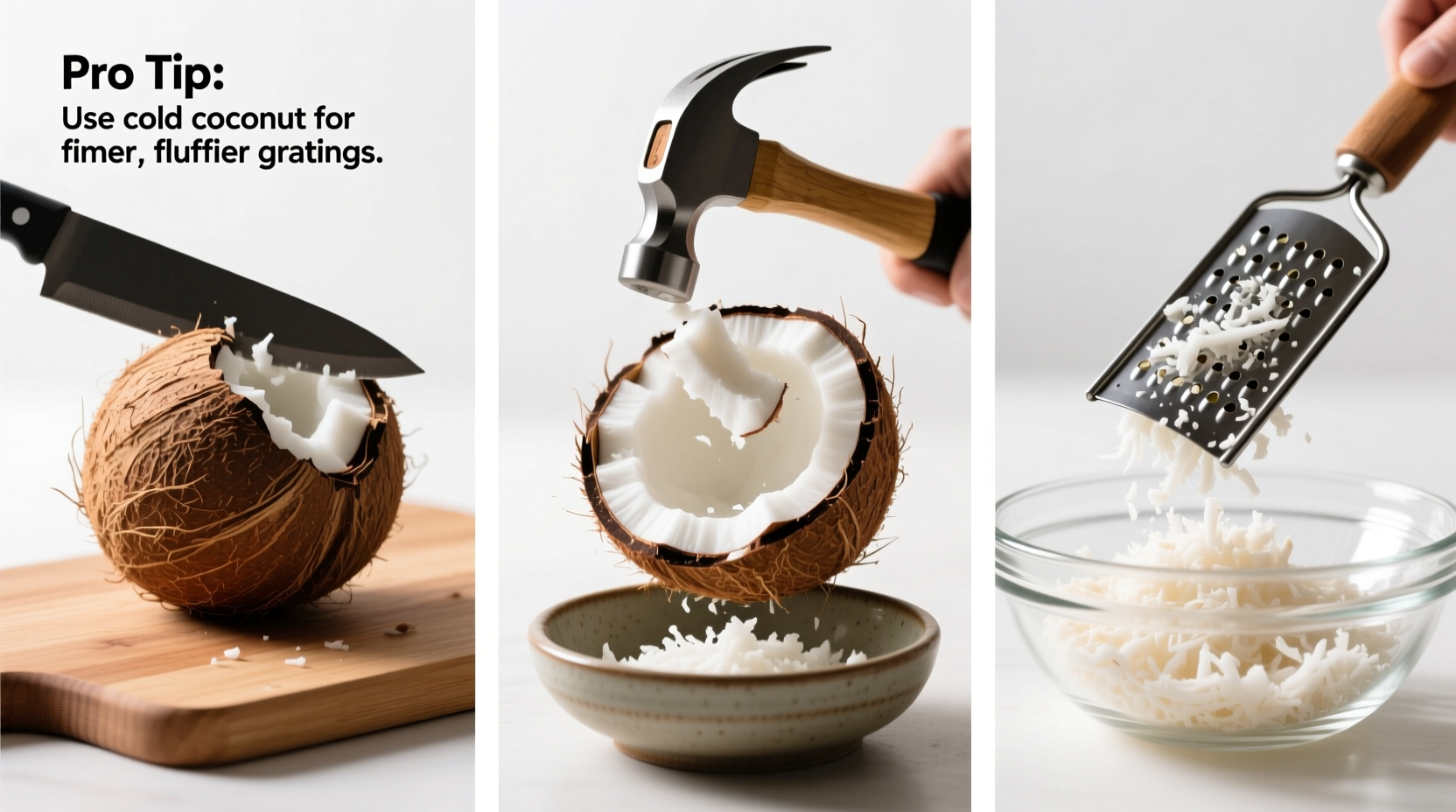
Packaged shredded coconut is convenient, but it often contains preservatives and added sugar, altering both flavor and texture. Freshly grated coconut delivers a rich, nutty aroma and a moist, tender bite that rehydrated flakes simply can't match. It integrates seamlessly into sauces, bakes beautifully into cakes, and brings authenticity to traditional recipes.
“Freshly grated coconut transforms a dish—it adds moisture, depth, and a subtle sweetness that enhances rather than overpowers.” — Chef Anjali Desai, Culinary Instructor at Mumbai School of Regional Cuisines
Moreover, when you grate your own coconut, you control the consistency—fine for binding doughs, coarse for garnishing, or milky for extracting coconut milk. This level of precision is what separates amateur attempts from professional results.
Step-by-Step Guide to Grating Coconut Like a Pro
Follow this detailed process to safely open, prepare, and grate a fresh coconut with confidence.
- Choose a ripe coconut: Shake it—there should be a solid slosh of liquid inside. The three \"eyes\" at one end should be dry and dark, not moldy. Avoid coconuts with cracks or musty smells.
- Drain the coconut water: Use a screwdriver or corkscrew to pierce two of the eyes. Tilt and pour the water into a glass. Save it for drinking, smoothies, or cooking—it's naturally hydrating and lightly sweet.
- Loosen the flesh from the shell: Preheat your oven to 400°F (200°C). Place the coconut on a baking sheet and bake for 15–20 minutes. The heat causes the flesh to contract, creating space between it and the shell. Alternatively, wrap the coconut in a towel and gently tap it with a hammer until it cracks.
- Remove the white meat: Once cracked, use a butter knife or small spatula to pry the flesh away from the black husk. Work slowly to avoid breaking large chunks or cutting yourself.
- Peel off the brown skin: Use a vegetable peeler or paring knife to remove the thin brown layer from the white flesh. While edible, this skin can add bitterness and tough texture in delicate dishes.
- Grate the coconut: Now comes the key step. Choose your method based on desired texture and available tools (see next section).
Best Tools and Methods for Grating Coconut
The ideal grating method depends on your recipe’s needs and kitchen setup. Here’s a breakdown of common options:
| Method | Texture Achieved | Best For | Time Required |
|---|---|---|---|
| Box grater (medium holes) | Fine to medium shreds | Baking, chutneys, binding fillings | 8–12 minutes |
| Food processor (standard blade) | Even, consistent shred | Large batches, coconut milk extraction | 2–4 minutes |
| Microplane or fine grater | Very fine, almost powdery | Desserts, spice blends, dusting | 5–7 minutes |
| Manual coconut scraper | Traditional coarse shred | Authentic regional dishes | 10–15 minutes |
| Blender (pulse mode) | Chunky or creamy (if liquid added) | Coconut milk, purees | 3–5 minutes |
For most home cooks, a food processor offers the best balance of speed and consistency. Pulse the peeled coconut in short bursts until it reaches the desired size—over-blending leads to a pasty texture.
Common Mistakes and How to Avoid Them
- Skipping the oven step: Trying to pry out raw coconut is difficult and dangerous. Always heat or crack carefully.
- Using dull tools: A blunt knife or grater increases effort and risk. Keep graters clean and sharp.
- Not removing the brown skin: Especially important in light-colored dishes where specks look unappetizing.
- Over-grating in a processor: Turn it into coconut butter by accident. Use pulse mode and check frequently.
- Storing improperly: Fresh coconut absorbs odors and dries out quickly. Use sealed containers.
Real Example: Making Authentic Malabar Coconut Chutney
Ravi, a home cook from Kerala, used to rely on frozen grated coconut for his family’s weekend breakfast of appam and stew. But his chutney lacked the bright freshness he remembered from his grandmother’s kitchen. After learning to grate fresh coconut using the oven-crack method and a food processor, he noticed an immediate difference. “The chutney was creamier, more aromatic,” he said. “My kids even asked for seconds—something they never did with the frozen kind.”
By investing just 15 extra minutes in preparation, Ravi elevated a routine meal into a celebration of flavor and heritage. His secret? Using freshly grated coconut with roasted curry leaves, green chilies, and a splash of coconut oil.
Checklist: Perfect Coconut Grating at a Glance
- ✅ Select a mature coconut with plenty of water
- ✅ Drain the liquid before cracking
- ✅ Bake or gently crack to loosen the flesh
- ✅ Remove all brown skin for optimal texture
- ✅ Use the right tool for your recipe’s needs
- ✅ Grate in small batches to maintain control
- ✅ Store leftovers properly (refrigerate or freeze)
Frequently Asked Questions
Can I use dried coconut instead of fresh?
Yes, but rehydrate it first. Soak unsweetened shredded coconut in warm water for 10–15 minutes, then drain well. Note that flavor and oil content will differ—fresh coconut has a richer mouthfeel and natural sweetness.
Is it safe to crack a coconut with a hammer?
Yes, if done carefully. Wrap the coconut in a thick kitchen towel and place it on a non-slip surface. Tap firmly around the equator until it splits. Never aim directly at your hands or hard floors that could send shards flying.
How do I extract coconut milk from freshly grated coconut?
Blend 1 cup of freshly grated coconut with 1 cup of hot (not boiling) water for 1–2 minutes. Strain through a muslin cloth, squeezing firmly to extract all liquid. Repeat with the pulp and fresh water for a second, lighter milk.
Final Tips for Consistent Results
Practice makes perfect. The first time you grate a coconut may feel slow or messy, but each attempt builds muscle memory and confidence. Keep your tools clean—coconut oil residues can go rancid—and consider labeling freezer bags with dates.
If you're preparing coconut regularly, invest in a dedicated coconut grating tool or small electric shredder. These are especially useful in tropical households where coconut is a daily ingredient.
Conclusion
Grating coconut like a pro isn’t reserved for chefs or grandmothers with decades of experience. With the right steps, tools, and attention to detail, anyone can unlock the full potential of this versatile ingredient. From enhancing savory dishes to enriching desserts, freshly grated coconut brings unmatched quality to your kitchen.




 浙公网安备
33010002000092号
浙公网安备
33010002000092号 浙B2-20120091-4
Comments
No comments yet. Why don't you start the discussion?