
Dogs, like humans, can benefit from wearing coats in cold or wet weather—especially those with short fur, small breeds, or medical conditions. However, many dogs resist wearing clothing, reacting with anxiety, discomfort, or even aggression. Forcing a coat on an uncooperative dog only deepens their fear. The key is not to rush, but to build trust through gradual exposure and positive reinforcement. With patience and consistency, you can turn coat-wearing from a stressful ordeal into a calm, routine part of your dog’s day.
Understanding Why Dogs Resist Coats
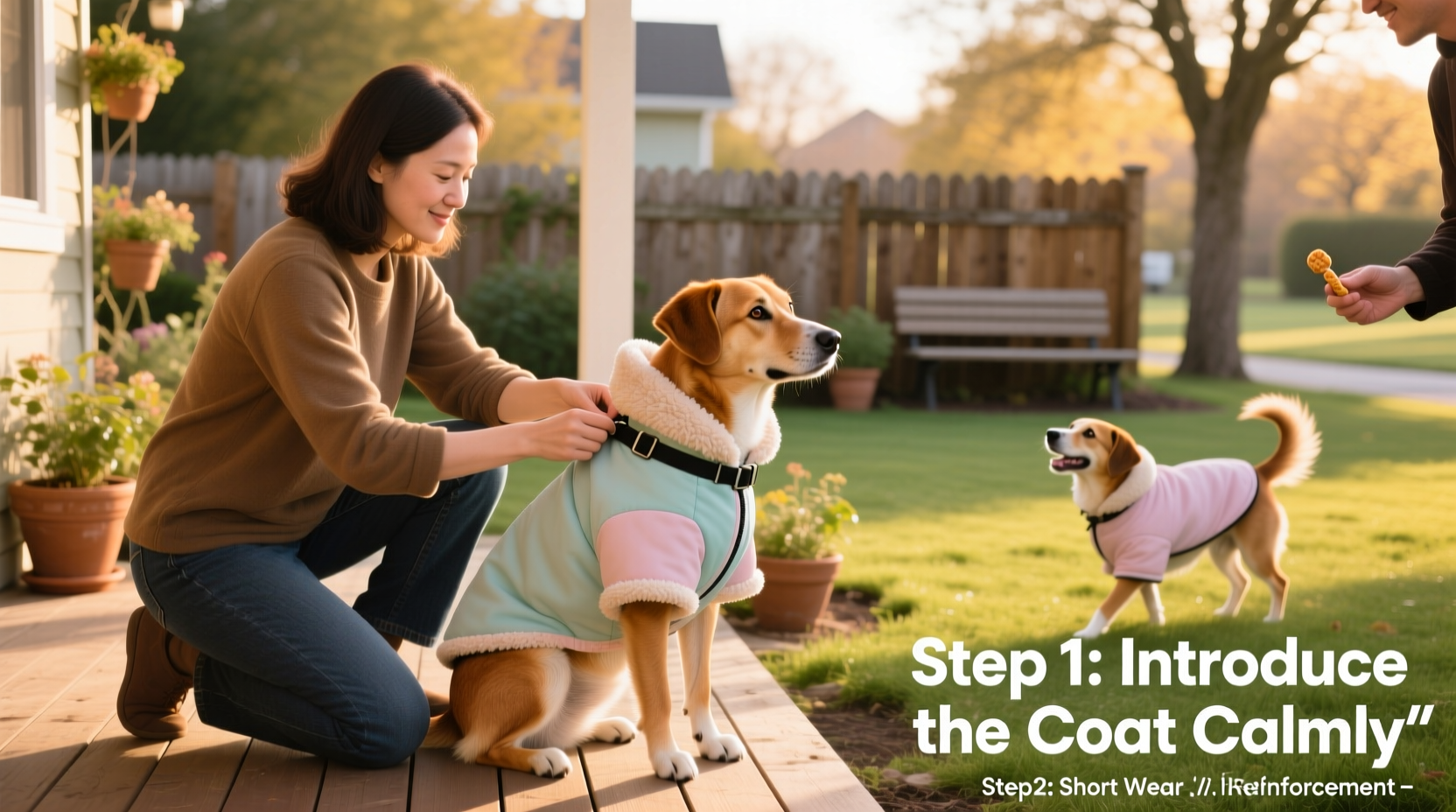
Dogs are creatures of instinct and habit. Their resistance to coats often stems from unfamiliar sensations rather than defiance. A coat changes how they move, feels air on their skin, and may restrict motion around the neck, shoulders, or chest. Some dogs interpret clothing as a threat or restraint, especially if introduced abruptly.
Additionally, past negative experiences—such as tight-fitting garments or being handled roughly during dressing—can create lasting associations. Breeds like Greyhounds or Whippets, which have low body fat and thin coats, may be more sensitive to temperature but also more hesitant about added layers due to heightened sensory awareness.
“Introducing any new item must respect the dog’s emotional threshold. Go slow, reward courage, and never override fear.” — Dr. Laura Bennett, Certified Veterinary Behaviorist
Step-by-Step Introduction Process
Success lies in breaking down the process into manageable stages. Rushing leads to setbacks. Follow this timeline over several days—or even weeks—for best results.
- Stage 1: Familiarization (Day 1–2)
Place the coat near your dog’s bed or feeding area. Let them sniff it, paw at it, or ignore it without pressure. Pair its presence with treats or mealtime to create positive associations. - Stage 2: Touch and Reward (Day 3–4)
Gently drape the coat over your dog’s back for just 2–3 seconds while offering high-value treats. Remove it immediately. Repeat multiple times per day, gradually increasing duration to 10–15 seconds. - Stage 3: Fastening One Closure (Day 5–6)
With the coat draped, fasten one snap or zipper while continuing to treat. Watch for body language: pinned ears, lip licking, or turning away signal discomfort. If so, return to Stage 2. - Stage 4: Full Dressing (Day 7–9)
Put the coat on fully, securing all closures. Keep sessions under one minute initially. Praise and treat continuously. Allow your dog to walk around indoors with supervision. - Stage 5: Real-World Use (Day 10+)
Take your dog outside briefly while wearing the coat. Monitor movement and comfort. End each outing with a favorite activity like play or a treat.
Signs Your Dog Is Comfortable
- Relaxed posture (loose tail, open mouth)
- Voluntary approach to the coat
- No attempts to remove it with paws or teeth
- Normal eating, walking, and behavior while wearing it
Selecting the Right Coat
A poorly fitting or uncomfortable coat will undermine even the best training. Choose gear that supports mobility and matches your dog’s needs.
| Feature | Do | Don’t |
|---|---|---|
| Fabric | Water-resistant outer layer with soft inner lining | Heavy, non-breathable materials like vinyl |
| Fit | Snug but allows full range of motion; covers from base of neck to tail | Too tight around chest or armpits |
| Closure | Adjustable straps or Velcro for secure fit | Single clip at neck only |
| Mobility | Allows sitting, lying, and lifting legs freely | Restricts hind leg movement |
Real-Life Example: Helping Luna, a Rescue Chihuahua
Luna, a three-year-old Chihuahua adopted from a shelter, trembled at the sight of winter gear. Her foster owner began by placing the coat beside her food bowl for two days. On day three, she gently touched Luna’s back with the fabric while giving pieces of boiled chicken. Over the next week, short draping sessions followed, always ending with playtime with her favorite squeaky toy.
By day eight, Luna allowed the coat to stay on for a full minute with both clips fastened. The breakthrough came when her owner put the coat on just before going to the park—Luna soon associated it with fun outings. Within three weeks, she walked confidently in snow, tail wagging, no longer flinching at zippers or hoods.
Essential Training Checklist
Use this checklist to track progress and ensure no step is skipped:
- ☐ Choose a well-fitted, comfortable coat
- ☐ Introduce the coat visually and let your dog investigate it
- ☐ Pair coat presence with treats or meals
- ☐ Gently touch your dog with the fabric while rewarding
- ☐ Drape the coat briefly and remove quickly with praise
- ☐ Gradually increase wear time with partial fastening
- ☐ Secure all closures while maintaining positive reinforcement
- ☐ Allow indoor movement with the coat on
- ☐ Transition to short outdoor use in low-distraction settings
- ☐ Monitor body language throughout the process
- ☐ Adjust pace based on your dog’s comfort level
Frequently Asked Questions
How long does it take for a dog to get used to a coat?
It varies by temperament and past experience. Some dogs adapt in a few days; others, especially anxious or rescued ones, may need two to four weeks. Consistency and patience are critical. Rushing can reset progress.
What if my dog tries to bite or scratch the coat off?
This indicates discomfort or anxiety. First, check the fit—tightness or rubbing may be the cause. Then, go back to earlier training stages. Avoid scolding; instead, redirect with treats and disengage if needed. Consider consulting a trainer if self-removal persists.
Should I leave the coat on when I’m not home?
No. Never leave your dog unattended while wearing a coat. They could get caught on furniture, overheat, or chew the material, risking ingestion. Coats should only be worn during supervised outings or brief indoor acclimation sessions.
Final Tips for Long-Term Success
Once your dog accepts the coat, maintain positive associations. Occasionally give treats while they’re wearing it, even after they’ve adjusted. Store the coat where it remains familiar—don’t hide it between uses. Rotate cleaning according to manufacturer instructions to prevent odors that might deter your dog.
If you plan seasonal use, reintroduce the coat gradually each year. Even dogs who wore it comfortably last winter may need a refresher session after months without it.
“Conditioning isn’t a one-time event. It’s an ongoing relationship built on predictability and reward.” — Mark Rivera, Professional Canine Trainer & Educator
Take Action Today
Your dog doesn’t have to shiver through winter or dread rainy walks. With a thoughtful, compassionate approach, you can help them embrace coat-wearing as a normal, stress-free part of life. Start today: lay the coat out, offer a treat, and begin building confidence—one gentle step at a time.




 浙公网安备
33010002000092号
浙公网安备
33010002000092号 浙B2-20120091-4
Comments
No comments yet. Why don't you start the discussion?