
A well-fitted knitted steering wheel cover enhances both the comfort and aesthetics of your vehicle’s interior. Unlike generic slip-on models, knitted covers often require precise installation to avoid wrinkles, looseness, or misalignment. When done correctly, the result is a snug, custom-like finish that improves grip in cold weather, reduces hand fatigue, and adds a personal touch to your car’s cockpit. This guide walks you through every stage—from preparation to final adjustments—ensuring a flawless installation that lasts.
Why Proper Installation Matters
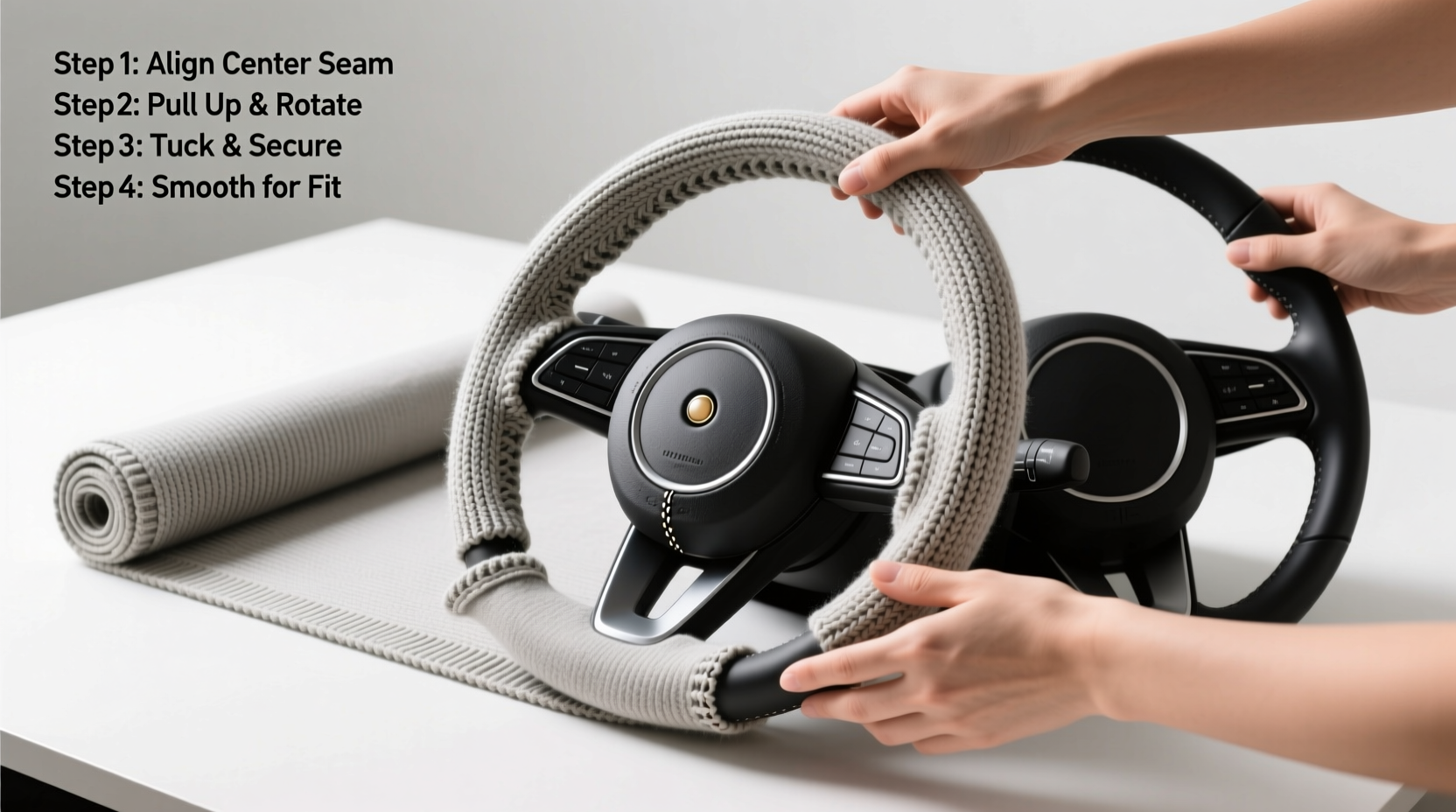
A poorly installed steering wheel cover can slip during sharp turns, bunch up under your palms, or even interfere with airbag deployment in extreme cases. Knitted covers, typically made from stretchable yet structured yarn blends, are designed to conform closely to the steering wheel's shape. However, their flexibility demands careful handling during installation. A proper fit not only looks professional but also maintains tactile feedback and ensures safety.
“Many drivers overlook the importance of correct cover alignment—it affects both control and long-term wear. Take your time; it’s worth it.” — Marcus Tran, Automotive Interior Specialist
Pre-Installation Checklist
Before starting, gather all necessary tools and inspect your materials. Rushing into installation without preparation often leads to frustration and uneven results.
- Knitted steering wheel cover (correct size for your wheel diameter)
- Clean microfiber cloth
- Mild detergent (if cleaning the wheel)
- Ruler or measuring tape
- Patience and 20–30 minutes of uninterrupted time
Step-by-Step Installation Process
- Measure Your Steering Wheel
Use a measuring tape to determine the outer diameter of your steering wheel. Most cars range between 14.5” and 15.5”. Confirm that your knitted cover matches this size. If unsure, refer to the manufacturer’s sizing chart. - Clean the Steering Wheel Surface
Wipe down the entire surface with a damp microfiber cloth and mild soap. Remove dust, grease, and fingerprints. Dry thoroughly. A clean base prevents slippage and helps the cover adhere smoothly. - Identify the Cover’s Orientation
Locate the top seam or logo tab on the inside of the cover. This should align with the top center of the steering wheel (12 o’clock position). Knit patterns often have directional stitching—installing backward creates visual imbalance. - Begin at the Top Center
Starting at the 12 o’clock mark, slide the cover over the upper rim of the wheel. Use both thumbs to gently stretch the knit fabric while guiding it over the thickest part of the rim. Avoid pulling too hard, as this can distort the weave. - Work Down Both Sides Evenly
Move clockwise and counterclockwise simultaneously—one hand progressing left, the other right. Maintain equal tension to prevent one side from bunching. Pause every few inches to smooth out any folds with your palms. - Navigate the Spokes
As you reach each spoke, carefully tuck the knit fabric around the joint. Some covers feature reinforced gussets or split panels for easier fitting. Gently stretch the material over the spoke base, ensuring no puckering occurs at the connection point. - Secure the Bottom Half
The lower half, especially near the 6 o’clock position, tends to be trickiest due to gravity and limited hand access. Sit in the driver’s seat and use slow, deliberate motions. Press the fabric firmly into place and check symmetry from above. - Final Tension Check and Smoothing
Run your hands around the entire circumference, adjusting tightness and smoothing seams. The cover should feel uniformly snug with no loose sections. Seams should lie flat and aligned.
Common Mistakes and How to Avoid Them
| Mistake | Consequence | Solution |
|---|---|---|
| Starting installation off-center | Asymmetrical fit, visible seam misalignment | Always begin at the top center and double-check orientation |
| Pulling too aggressively on knit fabric | Stretched fibers, permanent deformation | Stretch gradually and evenly using both hands |
| Ignoring spoke contours | Bunching, reduced grip, aesthetic flaws | Tuck fabric carefully around each spoke junction |
| Skipping wheel cleaning | Slippage, dirt trapped under cover | Wipe wheel thoroughly before application |
Real-World Example: Installing a Hand-Knit Cover on a Sedan
Sarah, a DIY enthusiast, purchased a hand-knitted wool-blend cover for her 2020 Toyota Camry. Excited to install it, she initially tried forcing it on from the side, which caused the left quadrant to stretch unevenly. After removing it and following a methodical top-down approach—measuring first, cleaning the wheel, and progressing symmetrically—she achieved a seamless fit. She noted that taking an extra five minutes to adjust the spoke areas made the biggest difference in comfort and appearance. “It feels like it was made for the wheel,” she said. “Now I don’t even notice it’s there—except when I get compliments.”
Frequently Asked Questions
Can I install a knitted cover on a heated steering wheel?
Yes, but ensure the cover is labeled as heat-resistant. Most high-quality knits made from acrylic, wool blends, or thermally stable synthetics can handle moderate heating elements. Avoid covers with metallic threads or non-breathable linings.
How do I clean the cover after installation?
Most knitted covers should be hand-washed in cold water with mild detergent. Remove the cover before cleaning unless specified as safe for in-place washing. Always air dry flat to maintain shape and elasticity.
Will a knitted cover affect airbag deployment?
Properly fitted knit covers that don’t add excessive thickness or rigidity are generally safe. Avoid covers with internal stiffeners or those that require laces or buckles near the airbag zone. Stick to elasticized, form-fitting designs.
Expert Tips for Long-Term Fit Maintenance
Even a perfectly installed cover can loosen over time due to temperature changes and frequent use. To preserve fit and appearance:
- Inspect monthly for signs of stretching or shifting.
- Rotate the cover slightly during cleaning to prevent localized wear.
- Store the vehicle in shade when possible—extreme heat weakens elastic fibers.
- Consider seasonal swaps if you use thicker knits in winter and lighter ones in summer.
“A good cover doesn’t just protect the wheel—it protects your driving experience. Precision in installation translates directly to performance.” — Lena Ruiz, Automotive Textile Designer
Conclusion: Drive in Comfort and Confidence
Installing a knitted steering wheel cover isn’t just about slipping on an accessory—it’s a small act of craftsmanship that elevates your daily drive. With attention to detail, the right technique, and a few simple tools, you can achieve a fit so clean and secure that it feels factory-original. Whether you’re protecting a worn steering wheel or adding a cozy touch for winter, taking the time to install it correctly ensures lasting comfort, safety, and style.




 浙公网安备
33010002000092号
浙公网安备
33010002000092号 浙B2-20120091-4
Comments
No comments yet. Why don't you start the discussion?