
Keeping your car keys organized and secure is more than just a matter of convenience—it's about safety, efficiency, and peace of mind. Whether you manage a fleet, share a vehicle with family members, or simply want to avoid the daily scramble of misplaced keys, a universal car case key holder offers a reliable solution. These compact organizers are designed to fit most vehicles and provide a dedicated, tamper-resistant space for storing keys. This guide walks you through every stage of selecting, preparing, and installing a universal key holder, ensuring a smooth setup that enhances both security and accessibility.
Why Use a Universal Car Case Key Holder?
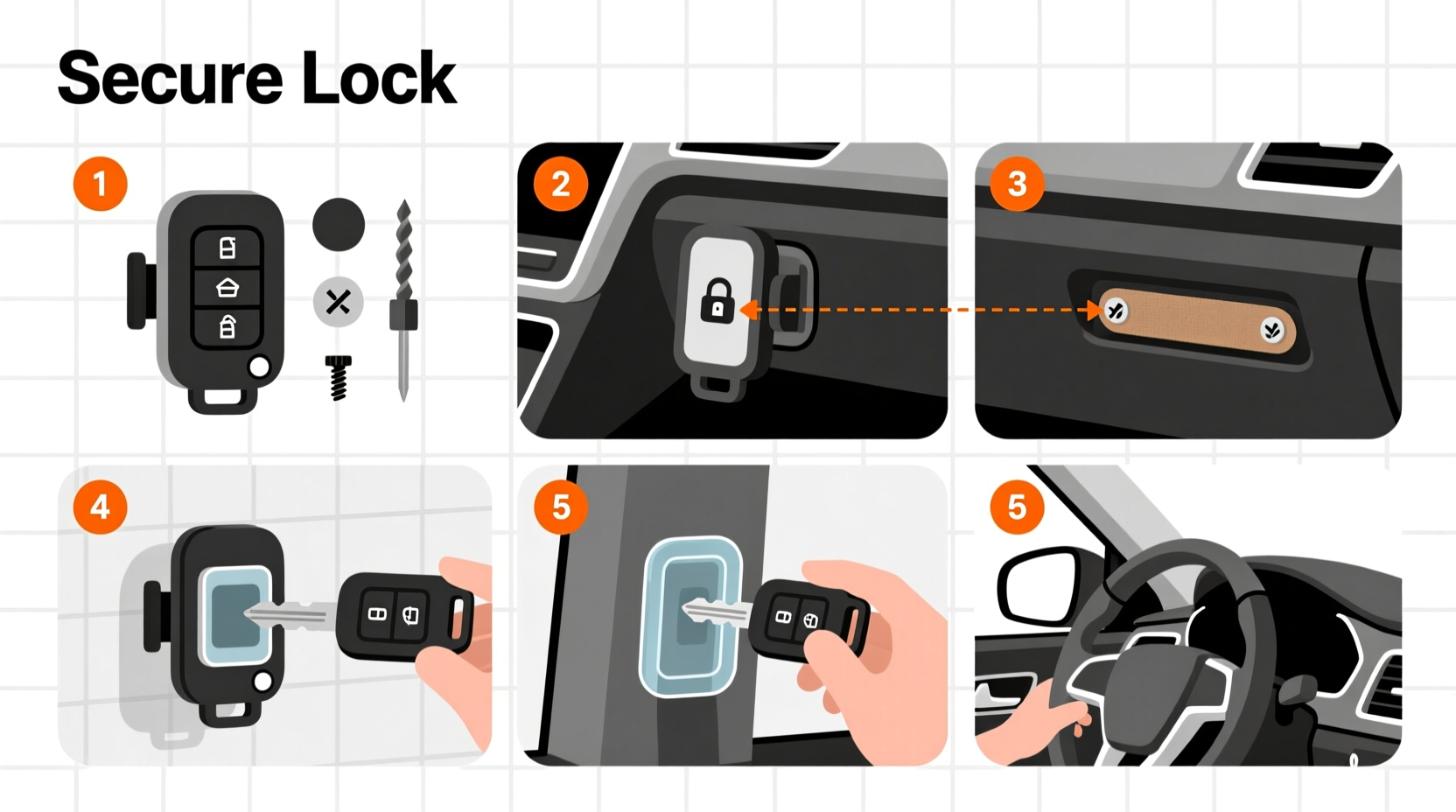
A universal car case key holder isn’t just another accessory—it’s a practical upgrade to your vehicle’s organization system. Unlike magnetic clips or loose storage in glove compartments, a dedicated key case keeps keys from being lost, damaged, or accidentally left behind. It also prevents clutter in consoles and center armrests, where small items often get buried.
For families, it ensures that each driver knows exactly where to find the keys. For business owners or fleet managers, it enables accountability and reduces the risk of unauthorized use. Modern key holders are typically made from durable materials like ABS plastic or aluminum alloy, with locking mechanisms or tight-fitting lids to deter theft or tampering.
Choosing the Right Key Holder for Your Vehicle
Not all universal key holders are created equal. While “universal” implies broad compatibility, subtle differences in size, mounting method, and internal layout can affect performance. Consider the following factors before purchasing:
- Size and Capacity: Measure your largest key fob or mechanical key. Ensure the holder has enough depth and width to accommodate it without forcing.
- Mounting Style: Common options include adhesive backing, screw mounts, or clip-in designs. Adhesive types are easier to install but may fail in extreme temperatures.
- Security Features: Look for models with latch locks, sliding covers, or twist caps. Some even support mini padlocks for added protection.
- Interior Design: Compartments with dividers help separate keys, preventing wear from friction and tangling.
- Aesthetic Match: Choose a finish—matte black, brushed silver, or carbon fiber texture—that blends with your car’s interior.
“Installing a secure key holder reduces distraction during entry and exit, especially in low-light conditions.” — Daniel Reyes, Automotive Ergonomics Consultant
Step-by-Step Installation Guide
Proper installation ensures longevity and usability. Follow this detailed process to mount your universal car case key holder correctly.
- Gather Tools and Materials: You’ll need the key holder, cleaning wipes (alcohol-based), a microfiber cloth, measuring tape, and possibly a drill (for screw-mounted units).
- Select Mounting Location: Ideal spots include the underside of the dashboard near the steering column, inside the center console lid, or on a flat panel beside the driver’s seat. Ensure it’s within easy reach but not obstructing pedals or controls.
- Clean the Surface: Wipe the chosen area thoroughly with an alcohol wipe to remove dust, oil, and residue. Let it dry completely—this step is critical for adhesive models.
- Test Fit Placement: Hold the key holder in place without attaching it. Open and close it several times to confirm there’s no interference with moving parts.
- Attach the Holder:
- If using adhesive backing, peel off the protective film and press firmly for 30 seconds. Apply even pressure across the entire base.
- If using screws, mark drill points with a pencil, pre-drill if necessary (avoid wiring zones), then secure with included fasteners.
- Allow Bonding Time: For adhesive mounts, wait at least 2 hours before placing keys inside. Avoid temperature extremes during this period.
- Insert Keys and Test Functionality: Place your keys gently into the holder. Open and close the lid multiple times to ensure smooth operation.
Do’s and Don’ts of Key Holder Maintenance
To maximize the lifespan and effectiveness of your installed key holder, follow these best practices.
| Do’s | Don’ts |
|---|---|
| Clean the interior monthly with a dry brush or compressed air | Overload the holder with bulky items like flashlights or multitools |
| Inspect adhesive or screws every 3 months for looseness | Use harsh solvents like acetone to clean plastic components |
| Label keys clearly if sharing among multiple users | Install near direct sunlight or heat vents, which degrade adhesives |
| Use a silicone spray on moving hinges annually | Force keys into tight slots—measure first |
Real-World Example: Fleet Management Upgrade
A regional delivery service operating 18 vans faced recurring issues with missing keys and delayed dispatches. Drivers often left keys on dashboards or in ignition slots, leading to loss and potential theft. After installing universal key holders under the dashboard in each vehicle, the company standardized key storage. Each van’s holder was labeled with its ID number, and drivers were trained to return keys immediately after shutdown.
Within six weeks, incidents of lost keys dropped by 92%. Dispatch time improved by an average of 7 minutes per shift. The simple addition of secure, visible key storage reduced operational friction significantly—proof that even minor organizational changes can yield measurable results.
Frequently Asked Questions
Can I move the key holder after installation?
Yes, but with caution. Adhesive-backed units can be removed using dental floss or fishing line slid behind the base to cut the bond. Residue can be cleaned with isopropyl alcohol. However, reapplying to a new location may weaken adhesion, so choose the initial spot carefully.
Will the key holder interfere with my key fob signal?
Most universal cases are made from non-metallic materials that don’t block RFID or Bluetooth signals. If your holder is metal or lined with foil shielding (rare), test remote lock/unlock functionality after installation. In such cases, leave the lid open when parked for uninterrupted signal transmission.
Are these key holders suitable for electric vehicles?
Absolutely. EV owners benefit just as much—from securing smart keys to organizing charging cards and toll transponders. Many EVs lack traditional ignition slots, making designated storage even more important.
Final Checklist Before Use
- ✅ Holder securely attached with no wobble
- ✅ Surface fully cleaned and dry before installation
- ✅ Location allows one-handed access while seated
- ✅ No interference with pedals, levers, or airbags
- ✅ Keys fit comfortably without forcing
- ✅ Lid opens and closes smoothly
- ✅ Tested fob signal reach (if applicable)
Conclusion
A well-installed universal car case key holder transforms a small daily hassle into a seamless routine. Beyond convenience, it adds a layer of security and order that benefits individual drivers, families, and organizations alike. By choosing the right model, installing it thoughtfully, and maintaining it regularly, you create a lasting improvement in your vehicle’s functionality. The few minutes spent setting it up today can save countless moments searching for keys tomorrow.




 浙公网安备
33010002000092号
浙公网安备
33010002000092号 浙B2-20120091-4
Comments
No comments yet. Why don't you start the discussion?