
In an age where smartphones are essential for communication, navigation, and capturing memories, keeping your device secure and accessible is more important than ever. One of the most practical solutions gaining popularity is the crossbody phone case lanyard. It combines hands-free mobility with peace of mind, especially in crowded places or during active outings. Whether you're commuting, traveling, or simply running errands, a properly installed lanyard can make daily life easier. This guide walks you through every stage—from choosing the right lanyard to adjusting it for optimal comfort and safety.
Selecting the Right Lanyard and Phone Case
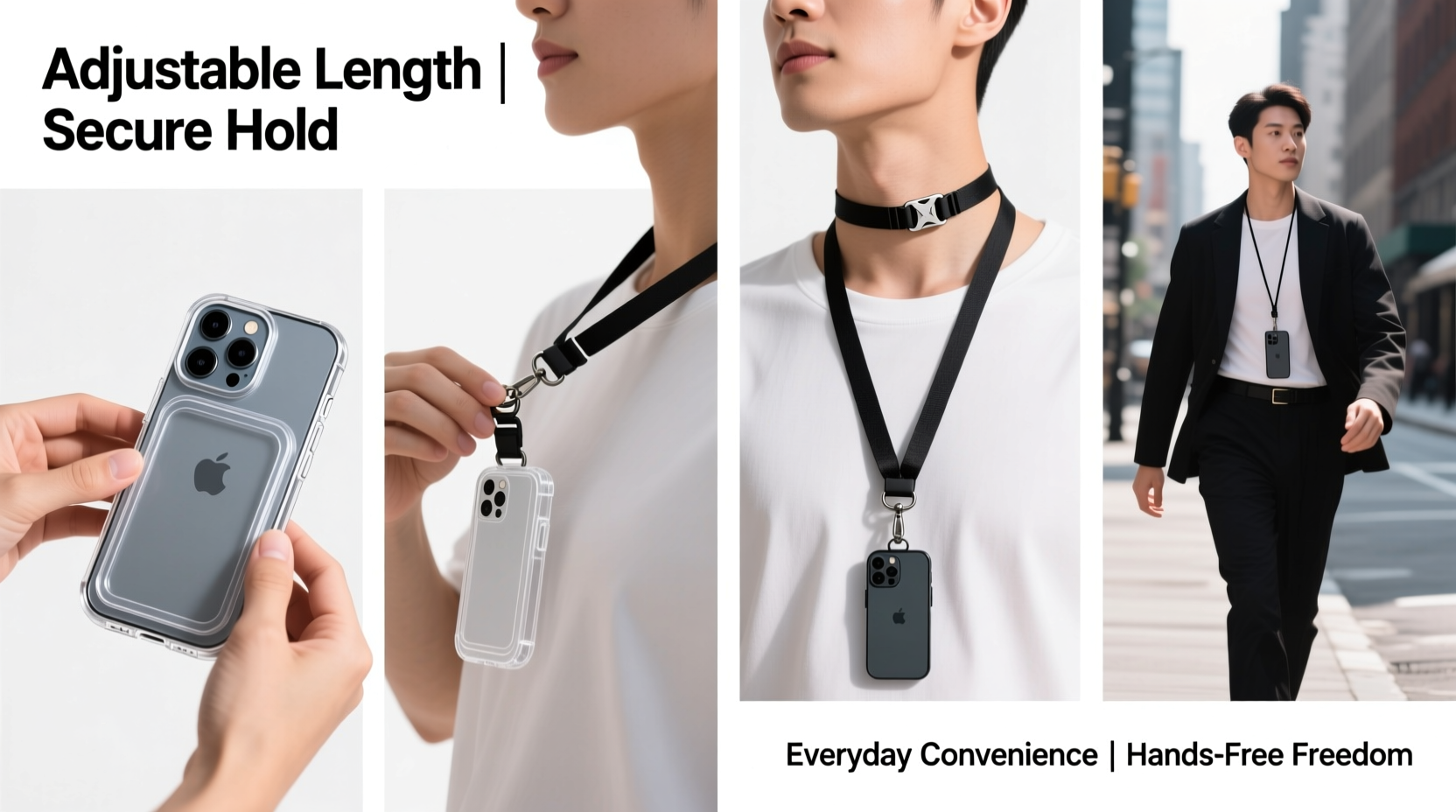
Not all lanyards and phone cases are compatible. Before installation, ensure both components work together. Most modern crossbody lanyards attach via reinforced loops, metal rings, or integrated slots on the phone case. Look for cases labeled “lanyard-friendly” or those with built-in attachment points on the sides or corners.
Lanyards themselves vary in material, length, and clasp type. Nylon and polyester are durable and sweat-resistant, ideal for daily wear. Cotton blends offer softness but may stretch over time. Width matters too—a 3/8-inch to ½-inch width provides strength without bulk.
Key Compatibility Factors
| Feature | Recommended | Avoid |
|---|---|---|
| Case Design | Sides with reinforced anchor points | Smooth cases with no attachment loops |
| Lanyard Material | Nylon, neoprene, or braided polymer | Thin elastic or fraying fabric |
| Attachment Type | Carabiner clips, snap hooks, or secure loops | Flimsy plastic connectors |
| Length Adjustability | Sliding adjusters or multiple knot points | Fixed-length designs |
Step-by-Step Installation Process
Installing a crossbody lanyard correctly ensures long-term reliability and comfort. Follow these steps carefully to avoid strain on your phone case or accidental detachment.
- Inspect the phone case: Confirm that the case has dedicated lanyard holes or sturdy side loops. If not, consider switching to a lanyard-compatible model.
- Cut the lanyard if needed: Some kits come with extra-long straps. Trim to approximately 40–50 inches, depending on your torso size, then seal the ends with a lighter to prevent fraying (if synthetic).
- Thread the lanyard: Pass one end of the lanyard through a side loop on the phone case. Pull about 6 inches through, then form a loop and pass the loose end back through to create a secure knot. Repeat on the opposite side.
- Use hardware attachments: If your lanyard includes carabiners or snap hooks, attach them directly to the case’s metal rings. Ensure the closure mechanism clicks firmly into place.
- Test stability: Gently tug the lanyard from multiple angles. The phone should remain securely attached without wobbling or detaching.
Wearing and Adjusting for Comfort
Once installed, how you wear the lanyard affects both comfort and functionality. The goal is to position the phone at a natural hand level when arms are relaxed—typically just below the chest or near the hip, depending on preference.
Adjust the length so the phone rests slightly diagonal across your body, minimizing bounce during movement. For petite frames, a shorter drape prevents dragging; taller users may need extended reach. Avoid wearing it too tight across the shoulder, which can cause strain during prolonged use.
- For urban walking or shopping: Position the phone toward the front for quick access.
- During physical activity: Tuck the phone behind your back or against your side to reduce swinging.
- In crowded areas: Keep the phone facing inward to deter pickpockets and accidental bumps.
“Proper ergonomics matter—even with small accessories. A well-fitted lanyard reduces neck and shoulder fatigue significantly over time.” — Dr. Lena Torres, Occupational Therapist
Real-World Use Case: Commuting with Confidence
Sophia, a graphic designer in Chicago, used to juggle her tote bag, coffee, and phone each morning on the El train. After misplacing her phone twice in a month, she invested in a shock-absorbent phone case with dual side rings and a padded nylon lanyard. She followed the installation steps, adjusted the length for a mid-hip hang, and began wearing it crossbody while holding her bag in the same hand.
Within days, she noticed fewer reflexive checks for her phone and greater ease navigating transit. When rushing to a client meeting, she accessed her calendar without stopping. The lanyard also prevented a potential drop when her bag slipped off her shoulder. Six months later, both the case and strap show minimal wear—proof that correct setup leads to lasting benefits.
Best Practices Checklist
To get the most out of your crossbody phone lanyard, follow this actionable checklist:
- ✅ Verify case compatibility before purchasing a lanyard
- ✅ Use breakaway clasps or quick-release mechanisms for safety
- ✅ Adjust length so the phone sits between waist and lower ribcage
- ✅ Inspect knots and attachments weekly for signs of wear
- ✅ Clean the lanyard monthly with mild soap and water (air dry)
- ✅ Rotate between two lanyards to extend lifespan and hygiene
- ✅ Avoid overloading pockets or bags on the same shoulder to prevent imbalance
Frequently Asked Questions
Can I use a lanyard with a wireless charger?
Yes, as long as the phone case allows proper alignment with the charging pad. Most slim lanyard-compatible cases do not interfere with Qi charging. Just ensure the lanyard isn’t pressing the phone at an angle that disrupts contact.
Is a crossbody lanyard safe for large phones?
Absolutely, provided the case and lanyard are designed for heavier devices. Opt for cases with reinforced polycarbonate frames and wide straps (at least ½ inch). Phones over 7 inches should be paired with padded shoulder distribution features to avoid strain.
How do I clean the lanyard without damaging it?
Remove the lanyard from the case and hand-wash it in lukewarm water with mild detergent. Rinse thoroughly and air-dry flat. Do not machine wash or tumble dry, as heat and agitation can weaken fibers and hardware.
Maximizing Everyday Convenience
The true value of a crossbody phone case lanyard lies in its ability to blend utility with simplicity. No longer must you dig through bags or risk dropping your phone when your hands are full. With thoughtful installation and regular maintenance, this small upgrade enhances mobility, security, and confidence throughout the day.
Whether you're a busy parent, a frequent traveler, or someone who values efficiency, integrating a lanyard into your routine is a low-cost, high-impact change. It reflects a mindset of intentional design—where even the smallest tools are chosen for purpose and performance.




 浙公网安备
33010002000092号
浙公网安备
33010002000092号 浙B2-20120091-4
Comments
No comments yet. Why don't you start the discussion?