
Mobile dog grooming is more than just a convenience—it’s a growing industry fueled by pet owners who value time, personalized service, and stress-free experiences for their pets. Unlike traditional salons, mobile grooming brings the full-service experience directly to clients’ driveways, eliminating the need for travel and reducing exposure to other animals. With low overhead and high demand in urban and suburban areas, this business model offers strong profit potential. But success doesn’t come from simply buying a van and hanging up a sign. It requires strategic planning, technical skill, and a customer-first mindset.
Assess Your Skills and Market Demand
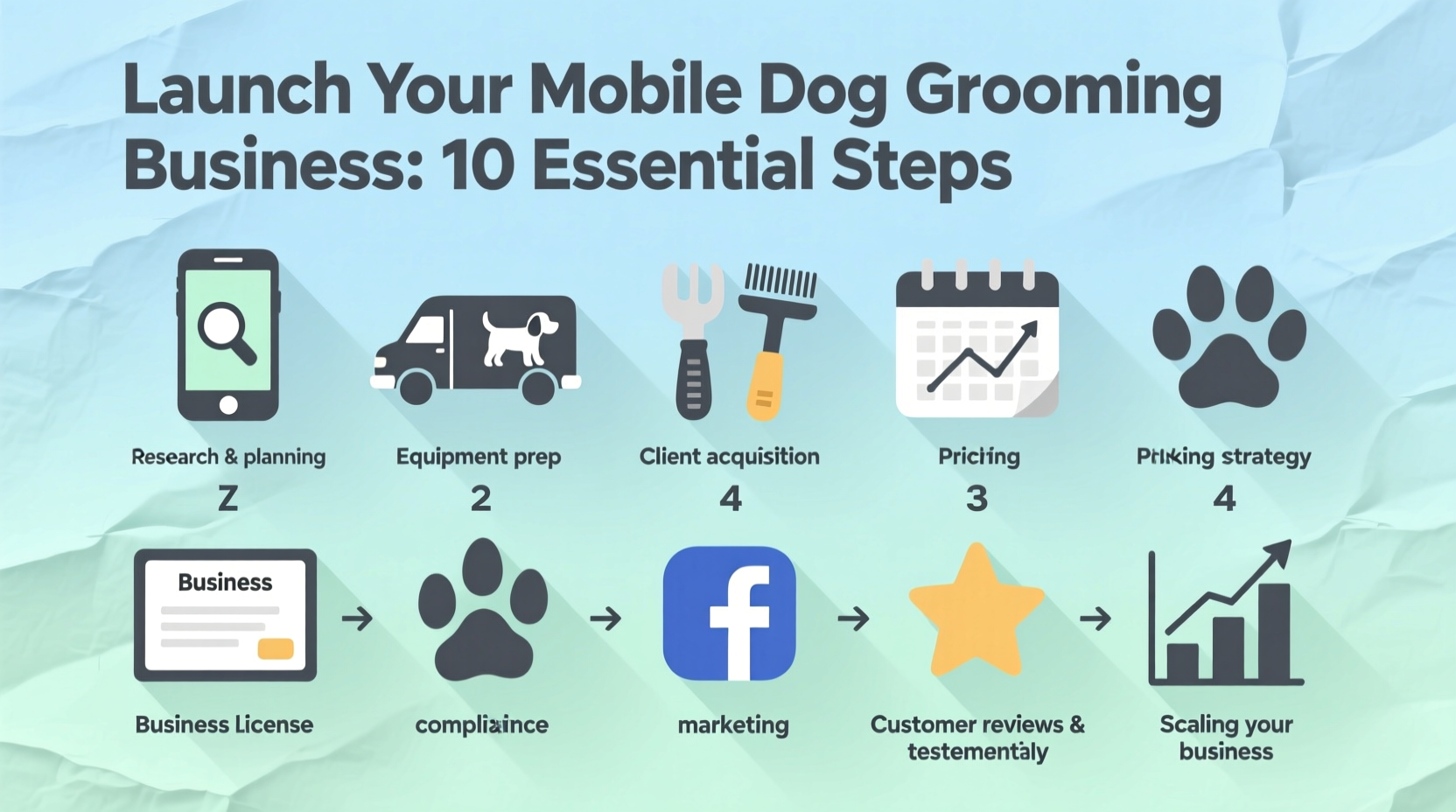
Before investing time and money, evaluate whether you have the foundational skills needed. Mobile grooming combines professional grooming techniques with entrepreneurship, logistics, and client management. If you’re not already certified or experienced in dog grooming, consider enrolling in a reputable grooming school. Programs typically last 4–12 weeks and cover breed-specific cuts, skin conditions, handling anxious dogs, and safety protocols.
Next, research your local market. Identify neighborhoods with high concentrations of pet owners, particularly single-family homes where driveway access is easy. Use public data, such as U.S. Pet Ownership Statistics (AVMA), and conduct informal surveys via social media or community boards. Look for gaps—areas with few mobile groomers or long wait times at brick-and-mortar salons.
Create a Solid Business Plan
A clear business plan serves as your roadmap. It should include:
- Service offerings: Full grooming, de-shedding, nail trims, teeth brushing, flea treatments.
- Pricing strategy: Research competitors and price competitively while ensuring profitability.
- Target audience: Busy professionals, seniors, multi-dog households.
- Revenue goals: Aim for 3–5 appointments per day initially, scaling to 8–10 as reputation grows.
- Budget breakdown: Include vehicle, build-out, equipment, insurance, licensing, and marketing.
Your startup costs can range from $30,000 to $70,000 depending on whether you buy new or used equipment and vehicles. However, monthly operating costs are relatively low—typically under $3,000 once established.
“Mobile grooming isn’t just about grooming skills—it’s about reliability, punctuality, and creating a calm environment in a moving workspace.” — Sarah Lin, Founder of WagWheels Grooming, 8-year operator
Equip and Customize Your Mobile Unit
The heart of your business is the mobile grooming van or trailer. You’ll need a reliable, spacious vehicle—popular choices include Ford Transit, Mercedes-Benz Sprinter, or Ram ProMaster. Decide whether to retrofit it yourself or use a professional conversion company.
Essential features include:
- Insulated walls and climate control (HVAC system)
- Fully equipped grooming station with hydraulic lift table
- Fresh and gray water tanks with pump system
- Generator or shore power connection
- Proper lighting, ventilation, and non-slip flooring
- Storage for towels, shampoos, tools, and waste disposal
Custom branding on the exterior increases visibility. Use bold colors, your logo, website, and phone number. Consider magnetic signs for flexibility if leasing the vehicle.
| Equipment | Estimated Cost | Why It Matters |
|---|---|---|
| Commercial Grooming Table (Hydraulic) | $1,800–$3,000 | Reduces physical strain and improves safety |
| Water Heater & Pump System | $1,200–$2,000 | Ensures consistent hot water flow |
| Generator (Quiet Inverter) | $1,000–$2,500 | Power independence without disturbing clients |
| Professional Clipper Set | $500–$800 | Durability and precision for all coat types |
| Van Wrap/Branding | $1,500–$3,000 | Turns your vehicle into a moving billboard |
Legal Setup and Insurance
Operating legally protects your business and builds trust. Steps include:
- Choose a business structure (LLC recommended for liability protection).
- Register your business name with your state.
- Obtain an EIN from the IRS for tax purposes.
- Apply for local business licenses and permits—check city or county requirements.
- Secure comprehensive insurance: general liability, commercial auto, and pet injury coverage.
Insurance is non-negotiable. Accidents happen—a dog might slip, react to a product, or become overheated. A policy that covers veterinary bills in case of injury (often called “care, custody, and control” coverage) is essential. Premiums typically range from $1,500 to $3,000 annually.
Launch and Grow Your Clientele
Your first 50 clients are the foundation of your reputation. Start with a soft launch in your immediate area—offer introductory discounts to friends, family, and neighbors. Collect testimonials and before-and-after photos (with permission).
Marketing strategies that work:
- Google Business Profile: Optimize with keywords like “mobile dog grooming near me,” service areas, and photos.
- Social Media: Post grooming transformations, behind-the-scenes clips, and client testimonials on Instagram and Facebook.
- Partnerships: Collaborate with veterinarians, pet stores, and dog walkers for referrals.
- Loyalty Program: Offer a 10% discount after five visits or refer-a-friend bonuses.
Pricing should reflect your value. The average mobile grooming session ranges from $65 to $150 depending on breed, coat condition, and location. Avoid underpricing—clients often equate low cost with low quality.
Mini Case Study: From Side Hustle to Six-Figure Mobile Business
Jamie Rivera started her mobile grooming service in Austin, Texas, using a retrofitted cargo van and a savings of $28,000. She focused on eco-friendly products and same-day booking through a simple online scheduler. By partnering with two local vet clinics and consistently posting on Nextdoor and Instagram, she built a 4.9-star Google rating within eight months. Today, she runs two vans, employs one part-time groomer, and grosses over $140,000 annually. Her secret? “I treat every dog like my own and follow up with a handwritten thank-you card. People remember that.”
Operational Best Practices
Efficiency keeps clients happy and your schedule on track. Each appointment should last 1.5 to 2.5 hours, depending on size and coat type. Use scheduling software like Gingr, Acuity, or Fetch Softworks to manage bookings, send reminders, and store client notes (e.g., “afraid of blow dryer,” “needs gentle handling”).
Maintain strict hygiene protocols:
- Sanitize tables, tubs, and tools between each dog.
- Use veterinary-grade disinfectants approved for animal environments.
- Dispose of wastewater properly—never drain on client property.
Track fuel, maintenance, and supply costs monthly. Reinvest profits into upgrades like better filtration systems or a second vehicle to expand capacity.
FAQ
How long does it take to break even?
Most mobile groomers break even within 12 to 18 months, assuming 3–5 appointments per week and steady client retention. Faster ROI is possible in high-demand markets with effective marketing.
Can I run this business part-time?
Yes. Many start with weekends or evenings while maintaining another job. However, consistency builds reputation—clients are more likely to refer you if you’re reliably available.
What breeds are most profitable to groom?
Dogs with high-maintenance coats—Poodles, Shih Tzus, Bichon Frises, and Goldendoodles—typically command higher prices due to time and skill required. However, balance your schedule with easier breeds to maintain efficiency.
Conclusion
Launching a mobile dog grooming business blends craftsmanship with smart entrepreneurship. From choosing the right van to building trust one wagging tail at a time, each step shapes your reputation and revenue. The demand for convenient, compassionate pet care isn’t slowing down. With proper planning, attention to detail, and a passion for animals, you can turn a niche idea into a thriving, flexible, and rewarding career.




 浙公网安备
33010002000092号
浙公网安备
33010002000092号 浙B2-20120091-4
Comments
No comments yet. Why don't you start the discussion?