
As temperatures drop, protecting your dog from the cold becomes essential—especially for breeds with short hair, small stature, or medical sensitivities. A well-fitted winter coat keeps your pet warm, dry, and comfortable during outdoor walks. But a poorly sized coat can restrict movement, cause chafing, or fail to provide adequate insulation. The key to finding the right coat? Accurate measurements. This guide walks you through each step of measuring your dog properly, avoiding common mistakes, and selecting a coat that fits like it was made just for them.
Why Proper Fit Matters More Than You Think
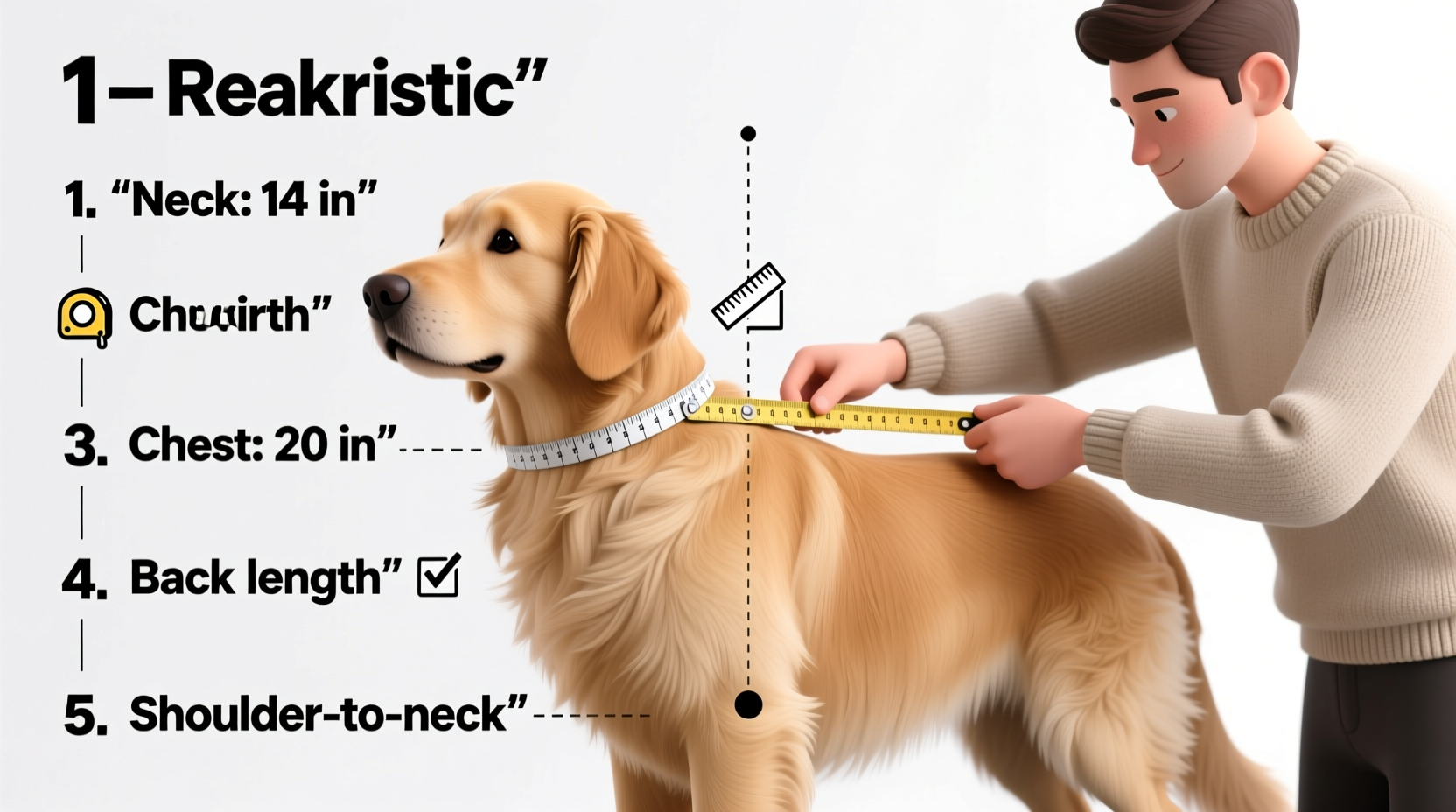
A dog’s winter coat isn’t just about style—it’s functional protection. An ill-fitting coat can lead to discomfort, reduced mobility, and even skin irritation. Too tight, and it may rub under the armpits or across the chest; too loose, and snow or wind sneaks in, defeating the purpose. According to Dr. Laura Bennett, a certified veterinary behaviorist, “A coat that fits well supports natural movement and doesn’t interfere with gait or breathing. It should feel like a second skin—not a straitjacket.”
“Dogs rely on their full range of motion for balance and coordination. A coat that’s too restrictive can create anxiety or resistance to walking.” — Dr. Laura Bennett, DVM, Veterinary Behavior Specialist
What You’ll Need Before You Begin
Measuring your dog at home is simple, but doing it correctly requires the right tools and timing. Gather these items before starting:
- A soft, flexible measuring tape (like a tailor’s tape)
- A pen and notepad to record measurements
- Treats to keep your dog calm and cooperative
- A helper (optional but helpful for wiggly dogs)
Step-by-Step Guide to Measuring Your Dog
Follow this five-step process to capture all critical dimensions. Accuracy here prevents returns, discomfort, and wasted money.
- Measure the Back Length
Start at the base of the neck (where the collar sits) and follow the spine straight to the base of the tail. Keep the tape flat against the fur. This measurement determines the overall size category (e.g., small, medium, large).
Pro Tip: For dogs with thick coats, gently compress the fur slightly to avoid overestimating length. - Measure the Chest Girth (Broadest Point)
Wrap the tape around the widest part of the chest—usually behind the front legs. This is often the most important measurement for fit. Ensure the tape is snug but not tight; you should be able to slide two fingers underneath comfortably.
Note: Breeds like Labradors or Bulldogs have deep chests, so this measurement is crucial for avoiding a too-tight fit. - Measure the Neck Circumference
Measure where the collar normally rests. This ensures the coat’s neckline won’t pinch or restrict movement. Some coats have adjustable neck closures, but starting with the correct size prevents gaps or choking pressure. - Check Shoulder Width (Optional but Helpful)
Measure across the top of the shoulders from one outer edge to the other. This helps determine whether a coat will allow free arm movement, especially in athletic or broad-chested breeds like Huskies or Boxers. - Assess Leg Opening Placement
While not a numerical measurement, observe where the leg holes fall on similar garments or existing coats. They should sit behind the front legs without riding up or pinching the armpits. If your dog has long legs relative to body length (like a Greyhound), look for brands offering “long-body” cuts.
Dos and Don’ts When Measuring Your Dog
| Do | Don’t |
|---|---|
| Use a cloth tape measure—metal can startle dogs | Use a rigid ruler or yardstick |
| Have treats ready to reward cooperation | Force a reluctant dog into position |
| Measure while your dog stands naturally on all fours | Measure while sitting or lying down |
| Double-check each measurement | Rely solely on breed-based size charts |
| Refer to brand-specific sizing guides | Assume all “medium” sizes are identical across brands |
Real Example: Measuring Bella the Beagle
Bella, a three-year-old Beagle, started shivering during morning walks when temperatures dropped below 40°F. Her owner, Mark, bought a “medium” coat online based on breed recommendations. It arrived too tight across the chest and rode up when she walked. After returning it, Mark followed a proper measuring process:
- Back length: 15 inches
- Chest girth: 28 inches
- Neck: 14 inches
He compared these numbers to the brand’s detailed chart and selected a size L, which accommodated her deep chest. The new coat stayed securely in place, covered her belly, and allowed full movement. Bella now trots happily through winter trails without hesitation.
How to Use Measurements to Choose the Right Coat
Once you have your dog’s numbers, use them strategically:
- Prioritize chest girth—this is the most common point of misfit.
- Compare to brand charts, not generic size labels. One brand’s “large” may be another’s “extra-large.”
- Look for adjustable features like Velcro straps, elastic hems, or snap closures for a customizable fit.
- Consider cut and coverage. Some coats protect only the back; others extend to the hindquarters or include belly panels.
Frequently Asked Questions
How tight should a dog coat be?
A dog coat should be snug enough to stay in place without shifting, but not so tight that it restricts movement or breathing. You should be able to fit two fingers comfortably under any strap or seam. Movement tests—like having your dog sit, lie down, and walk—are essential before finalizing fit.
Can I use human clothing sizes as a reference?
No. Dogs have vastly different body proportions than humans. A coat designed for a person’s torso won’t align with a dog’s shoulder placement, back curvature, or leg positioning. Always use canine-specific sizing and measurements.
My dog has a unique shape—what should I do?
For dogs with atypical builds (rescues, mixed breeds, or those with physical conditions), consider custom-made coats. Several companies offer tailored options using your exact measurements, ensuring optimal comfort and protection.
Final Checklist Before Buying
- ✅ Measured back length from neck to tail base
- Ensures proper coverage and length.
- ✅ Measured chest girth at widest point
- Most critical for fit and comfort.
- ✅ Checked neck size for ease of movement
- Prevents chafing or restriction.
- ✅ Compared numbers to brand’s size chart
- Avoids assumptions based on generic labels.
- ✅ Considered coat style (full coverage, sleeveless, etc.)
- Matches your climate and dog’s activity level.
Conclusion: Warmth Starts With the Right Fit
Protecting your dog from winter weather begins with more than just picking a cute coat—it starts with precise measurement. Taking the time to measure your dog correctly ensures they stay warm, mobile, and happy during cold-weather adventures. Whether you're shopping online or in-store, your measurements are your most reliable guide. Don’t guess, don’t estimate, and don’t rely on breed averages. Measure once, fit perfectly, and enjoy every frosty walk with confidence.




 浙公网安备
33010002000092号
浙公网安备
33010002000092号 浙B2-20120091-4
Comments
No comments yet. Why don't you start the discussion?