
Finding the perfect fit for your Fossil watch is essential for both comfort and style. While many Fossil watches come with adjustable stainless steel or leather straps, metal bracelets often require precise sizing. If your watch feels too loose or slides around your wrist, it's likely time to remove a few links. Fortunately, this task doesn’t require a trip to the jeweler. With basic tools and careful attention, you can resize your Fossil watch strap at home—saving time and money while gaining confidence in maintaining your accessories.
Why Adjusting Your Watch Strap Matters
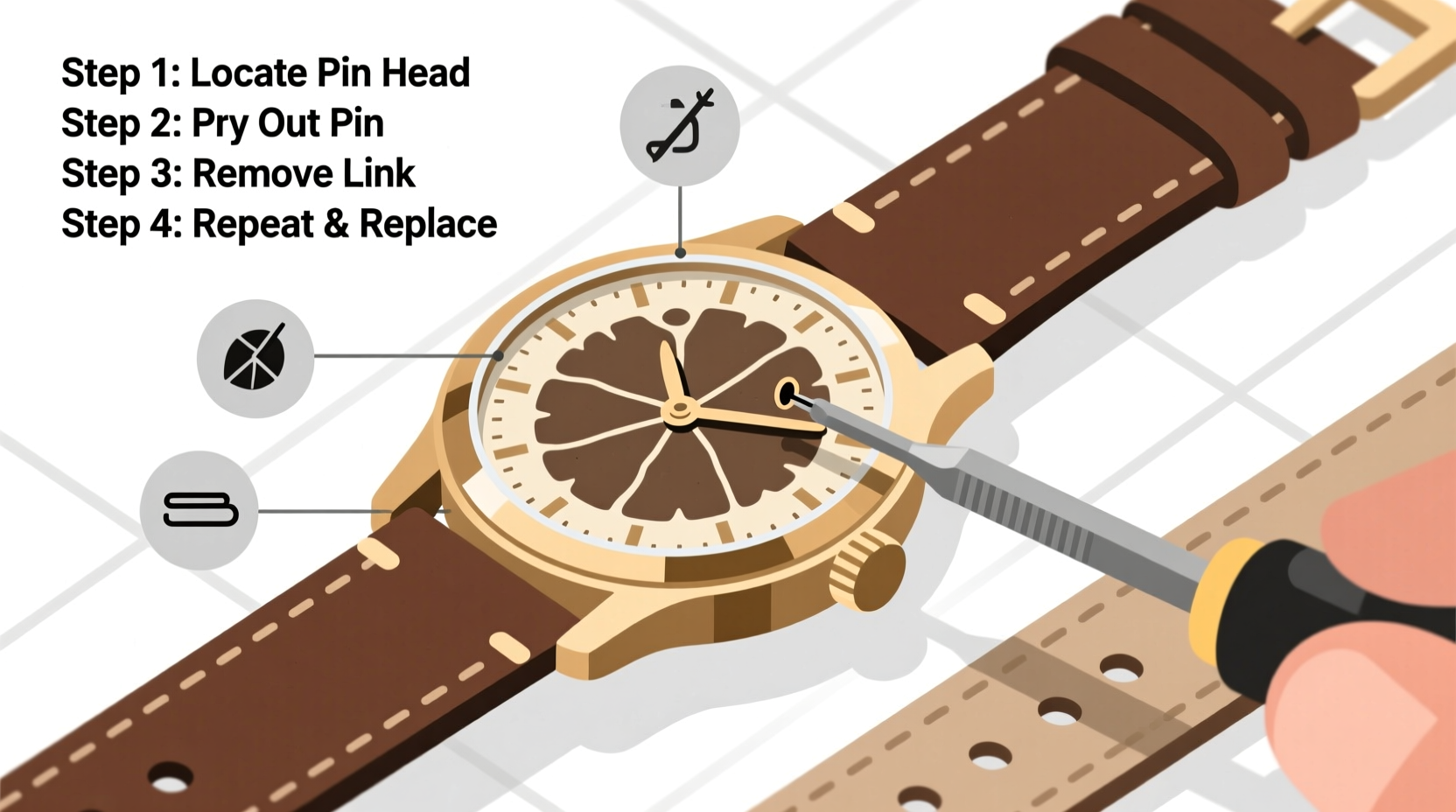
A well-fitted watch should sit snugly on your wrist without sliding or pinching. An oversized metal strap not only looks unprofessional but can also cause discomfort during daily wear or physical activity. Over time, constant movement may lead to scratches on the case or clasp damage. Removing excess links ensures a tailored fit that complements your wrist size and enhances the overall wearing experience.
Fossil uses standard link designs with push-pin construction, making adjustments accessible even for beginners. However, precision is key—forcing pins or using incorrect tools can bend or break components. Taking the proper approach protects your investment and preserves the integrity of your timepiece.
“Properly sized watches don’t just look better—they last longer and perform more comfortably throughout the day.” — Daniel Reeves, Watchmaker & Retail Consultant
Tools You’ll Need for Link Removal
Before starting, gather the necessary tools. Most items are affordable and reusable for future watch maintenance:
- Pin removal tool (or small nail punch): Designed to push out spring bars and link pins safely.
- Small hammer: A jeweler’s hammer or any lightweight hammer works best.
- Pliers (non-serrated): For gripping loose links without scratching the metal.
- Magnifying glass or bright light: Helps identify pin direction and alignment.
- Soft cloth or watch holder: Protects the watch face and bezel during work.
- Container or tray: Keeps tiny parts organized and prevents loss.
Step-by-Step Guide to Removing Links
Follow this detailed process to remove links from your Fossil metal bracelet safely and effectively.
- Count and plan the number of links to remove
Measure your wrist with a tape measure and compare it to the current bracelet length. Most Fossil watches have removable links on both sides of the clasp, so aim for symmetry. Typically, removing two to four links (one or two per side) achieves an ideal fit. - Lay the watch on a soft surface
Place it face-down on a microfiber cloth to prevent scratches. Ensure the clasp is accessible and the band is fully extended. - Identify the removal direction of the pins
Examine each link closely. On most Fossil models, pins are marked with arrows indicating which way they should be pushed out (usually toward the clasp). Never force a pin in the opposite direction unless confirmed otherwise. - Remove the end links near the clasp first
These are typically designed for easy detachment. Use pliers to gently open the clasp mechanism, then slide off the outermost link. Repeat on the other side if needed. - Push out interior link pins
Align the pin removal tool with the pin head. Tap gently with the hammer until the pin begins to move. Continue pushing until one end comes free. Remove the targeted link and set aside. Repeat symmetrically on the opposite side. - Reinsert remaining pins securely
After removing the desired links, reassemble the shortened bracelet. Insert the pins back through the links, ensuring they go in the correct direction. Gently tap them flush with the link edge using the hammer and tool. - Test the fit and function
Close the clasp and wear the watch. It should feel secure without excessive pressure. Check that all pins are fully seated and no sharp edges remain.
Troubleshooting Common Issues
If a pin resists movement, stop immediately. Forcing it may damage the link. Instead, verify the correct removal direction and ensure your tool is properly aligned. Applying a drop of light lubricant (like watch oil) to the pin joint can ease resistance. Avoid using WD-40 or household oils, as they attract dust and degrade over time.
Do’s and Don’ts When Adjusting Your Fossil Strap
| Do’s | Don’ts |
|---|---|
| Work slowly and methodically | Rush the process or use excessive force |
| Keep track of removed pins and links | Discard old pins—even bent ones help identify original size |
| Double-check pin direction before pushing | Assume all pins are reversible |
| Store extra links and pins in a labeled bag | Leave loose components unattended where they can be lost |
| Use non-marring tools to protect finish | Use pliers with teeth or rough surfaces directly on polished links |
Real Example: Resizing a Fossil Jacqueline Bracelet
Sarah, a teacher from Portland, purchased a Fossil Jacqueline ES4544 silver-tone bracelet watch as a birthday gift. While she loved the design, the strap was too large for her slender wrists, slipping constantly during class. Rather than paying $20 for a professional adjustment, she decided to try it herself.
Using a $12 pin removal tool set bought online, Sarah followed the steps above. She removed two links—one from each side—and carefully reassembled the band. The entire process took under 20 minutes. “I was nervous at first,” she said, “but once I saw the arrow markings on the links, it made sense. Now it fits perfectly and looks like it was made for me.”
This example shows how straightforward the process can be with clear guidance and patience.
Checklist: Preparing for Successful Link Removal
- ☐ Measure your wrist and determine how many links to remove
- ☐ Gather all required tools before beginning
- ☐ Confirm pin direction by checking manufacturer marks
- ☐ Work on a clean, stable surface with good lighting
- ☐ Remove links symmetrically for balanced appearance
- ☐ Recheck clasp operation and pin security after reassembly
- ☐ Store leftover links and pins in a safe place
Frequently Asked Questions
Can I reuse the pins after removing them?
It’s not recommended. Once removed, stainless steel pins may become slightly bent or weakened, reducing their holding strength. Fossil does not sell replacement pins separately, so preserving originals during adjustment is wise. If you lose a pin, consider visiting an authorized service center for replacements.
How do I know how many links to remove?
Start by wrapping a strip of paper or string around your wrist and marking where it overlaps. Compare that measurement to the inside circumference of your watch band. Each standard Fossil link is approximately 3–4mm wide. Remove enough links so the band matches your wrist size plus about 1–2mm for comfortable movement.
Is it safe to adjust the strap myself?
Yes, as long as you follow proper technique and use appropriate tools. Millions of users resize their own Fossil watches annually. Just remember: go slow, respect the mechanics, and never force anything. If you're unsure, watch official Fossil tutorial videos or consult customer support before proceeding.
Final Thoughts
Resizing your Fossil watch strap isn’t just about aesthetics—it’s about personalization and comfort. Taking the time to properly adjust the bracelet transforms a generic accessory into a custom-fit piece that moves with you throughout the day. With the right tools and knowledge, anyone can master this simple yet impactful skill.




 浙公网安备
33010002000092号
浙公网安备
33010002000092号 浙B2-20120091-4
Comments
No comments yet. Why don't you start the discussion?