
Megir watches are known for their sleek design, affordability, and reliable quartz movement. Like all battery-powered timepieces, they eventually require a battery replacement—typically every 18 to 36 months depending on usage and model. While many people take their watches to jewelers or service centers, replacing the battery yourself is entirely feasible with the right tools and care. Done correctly, it saves money and preserves your watch’s integrity. Done incorrectly, it risks water damage, scratched components, or even rendering the watch inoperable.
This comprehensive guide walks you through the entire process of replacing your Megir watch battery at home, ensuring safety, precision, and long-term performance. Whether you own a classic Megir 9000 series or a newer minimalist model, these steps apply universally across most Megir designs.
Understanding Your Megir Watch Mechanism
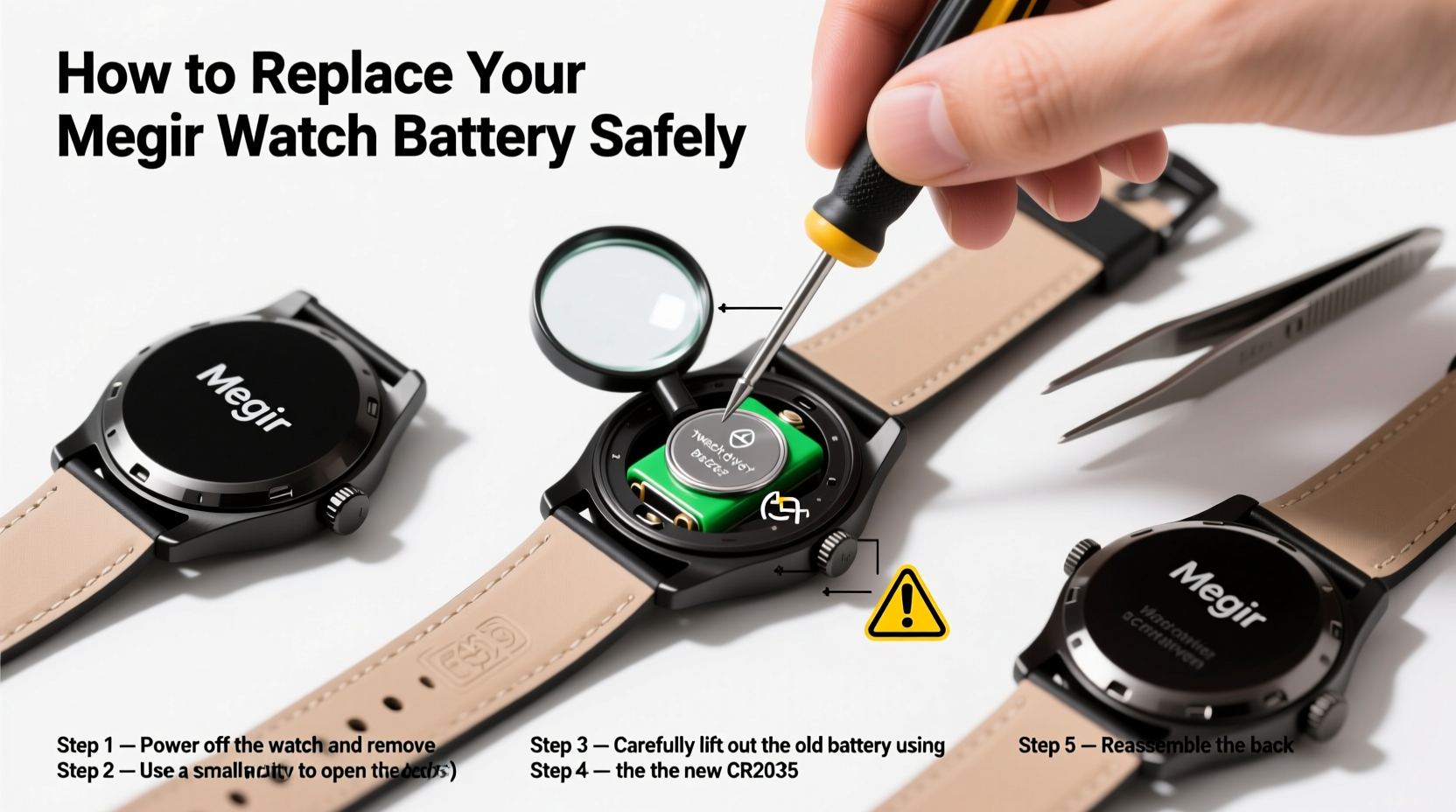
Megir watches use standard quartz movements powered by small round batteries, commonly labeled as SR626SW, SR621SW, or CR2032, depending on the model. The back of your watch will typically indicate the correct battery type. Most Megir watches feature either a snap-back or screw-down case back. Snap-back models require gentle prying, while screw-down backs need a specialized tool to avoid stripping the grooves.
Before beginning, confirm whether your watch is water-resistant. If it is, extra caution must be taken during reassembly to ensure the gasket is properly seated and the seal remains intact. Opening the case breaks the factory seal temporarily, so maintaining cleanliness and proper closure is essential to prevent moisture ingress later.
Tools and Materials You’ll Need
To replace your Megir watch battery successfully, gather the following items before starting:
- Case back opener: A specialized tool for either snap-back (case knife) or screw-down (notched removal tool)
- Precision tweezers: Non-magnetic, fine-tipped for handling the tiny battery
- Plastic or wooden toothpick: For gently lifting the battery without scratching contacts
- New battery: Correct model (check inside the old battery or user manual)
- Soft cleaning brush: To remove dust from the case interior
- Magnifying glass or illuminated loupe: For better visibility of small components
- Rubber gloves (optional): Prevent fingerprints and oils from transferring to internal parts
“Replacing a watch battery isn’t complicated, but precision matters. One misaligned gasket or over-tightened back can compromise years of reliability.” — Daniel Reeves, Watch Repair Technician with 15+ years in horology
Step-by-Step Guide to Battery Replacement
- Power down and prepare your workspace. Turn off any lights that could cause glare. Lay out all tools within reach. Place the watch face-down on a soft cloth.
- Identify the case back type. Examine the edge of the back. If there are notches around the rim, it’s a screw-down type. If smooth with a slight gap, it’s likely a snap-back.
- Open the case back carefully.
- For snap-back: Insert the case knife into the groove and twist gently. Work slowly around the edges until the back releases.
- For screw-down: Align the notched tool with the grooves and turn counterclockwise. Apply steady pressure—do not force it.
- Inspect the interior. Once open, check for dust, corrosion, or moisture. If you see rust or fogging, stop immediately—the watch may already have water damage and should be professionally serviced.
- Locate and remove the battery. Use a toothpick or plastic tool to gently lift the old battery from its holder. Avoid metal tools directly touching the movement to prevent short circuits.
- Clean the battery compartment. Lightly brush away any debris. Do not use liquids or compressed air.
- Insert the new battery. Ensure the positive (+) side faces up unless indicated otherwise inside the case. Use tweezers to place it precisely into the holder.
- Test the watch function. Before closing, wait a few seconds for the watch to power on. Confirm the second hand moves smoothly or the digital display activates.
- Reattach the case back securely.
- Snap-back: Align the back flush and press evenly around the edges until it clicks.
- Screw-down: Realign threads carefully and tighten clockwise until snug. Do not overtighten.
- Verify water resistance (if applicable). If your watch is rated for water resistance, consider having the seal tested at a local jeweler post-replacement for peace of mind.
Do’s and Don’ts When Replacing Your Megir Watch Battery
| Do’s | Don’ts |
|---|---|
| ✓ Double-check the battery model number | ✗ Use metal tweezers near the movement |
| ✓ Work under bright, focused lighting | ✗ Rush the case back removal |
| ✓ Clean the gasket lightly with a dry cloth | ✗ Ignore signs of internal moisture |
| ✓ Test operation before sealing | ✗ Over-tighten screw-down backs |
| ✓ Replace batteries every 2–3 years proactively | ✗ Use outdated or non-branded batteries |
Real Example: A DIY Success Story
Mark, a teacher from Bristol, had worn his Megir M9001 daily for two years. When the second hand began stuttering, he assumed the movement was failing. Instead of paying £25 at a kiosk, he researched online and purchased a £3.50 SR626SW battery and a £7 case opener. Following a methodical process similar to this guide, he replaced the battery in under 20 minutes. Not only did the watch resume perfect timekeeping, but he also noticed less dust inside after cleaning the case. “I felt more connected to my watch,” Mark said. “Now I inspect it every six months and replace the battery before it dies completely.”
Frequently Asked Questions
How often should I replace my Megir watch battery?
Most Megir watches require a battery change every 18 to 36 months. Signs include slow ticking, dim display (on digital models), or complete stoppage. Proactive replacement prevents leakage from old batteries, which can damage internal components.
Can I damage my watch by opening the case myself?
You can, if improper tools or techniques are used. Applying too much force can crack the case, strip screw grooves, or dislodge internal parts. However, using the correct tools and proceeding patiently minimizes risk significantly.
Is it safe to replace the battery if my watch is water-resistant?
Yes, but with caution. The rubber gasket must be cleaned and properly reseated before closing the case. While you can restore basic protection at home, a professional pressure test ensures full water resistance is maintained.
Final Checklist Before You Begin
- ☑ Identify your watch’s case back type
- ☑ Purchase the correct replacement battery (e.g., SR626SW)
- ☑ Gather necessary tools: case opener, tweezers, toothpick, brush
- ☑ Choose a clean, static-free workspace
- ☑ Set aside 15–30 minutes without distractions
- ☑ Have a container ready for small parts
Conclusion: Take Control of Your Watch Maintenance
Replacing your Megir watch battery doesn’t require a trip to the store or a hefty service fee. With attention to detail and the right approach, you can perform this simple maintenance task confidently at home. Beyond saving money, you gain a deeper appreciation for your timepiece and extend its lifespan through proactive care. Each successful battery swap reinforces your ability to maintain personal belongings independently.




 浙公网安备
33010002000092号
浙公网安备
33010002000092号 浙B2-20120091-4
Comments
No comments yet. Why don't you start the discussion?