
Accurate puff tracking is essential for users who rely on their iPower devices to monitor usage patterns, manage nicotine intake, or simply maintain consistency in their vaping habits. Over time, the built-in puff counter can become misaligned—either due to firmware glitches, battery resets, or prolonged use. When this happens, resetting the counter ensures you're working with reliable data. While iPower doesn’t officially document a direct reset function, experienced users and technical experts have developed effective workarounds. This guide walks you through the process, explains why it matters, and provides best practices to keep your device performing optimally.
Why Resetting the Puff Counter Matters
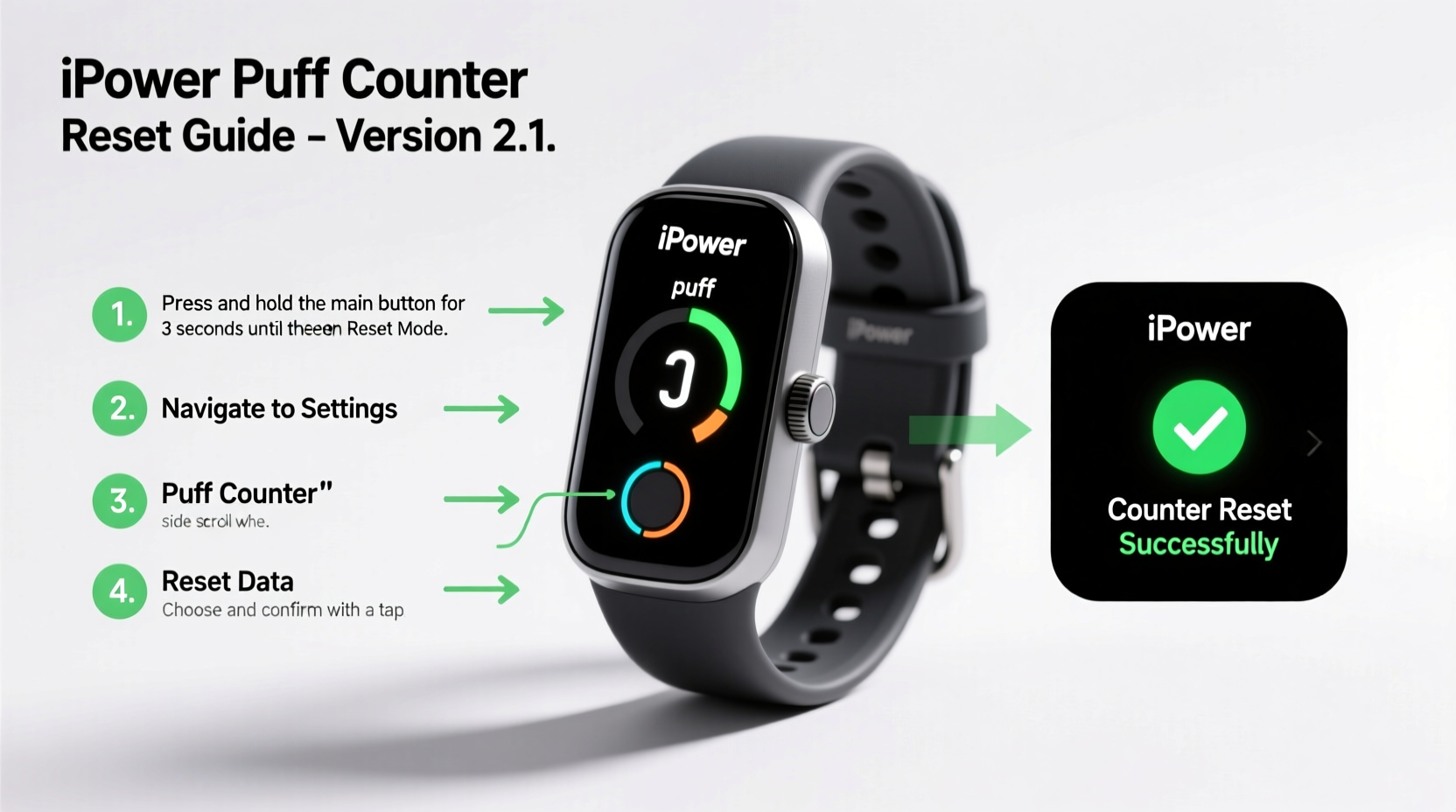
The puff counter on an iPower device serves as a digital log of how many times you’ve activated the device. It’s more than just a novelty—it helps track coil lifespan, estimate e-liquid consumption, and identify changes in usage behavior. For example, if you notice a sudden spike in daily puffs, it might signal increased dependence or stress-related vaping. Conversely, a declining count could reflect successful reduction efforts.
However, like any electronic metric, the counter isn't immune to inaccuracies. Firmware bugs, interrupted power cycles, or even rapid firing can cause the tally to drift. A miscalibrated counter undermines its usefulness. Resetting it at regular intervals—or after replacing key components—restores accuracy and trust in your data.
“Users who actively monitor their puff counts tend to have greater control over their consumption patterns and are more likely to set and meet personal goals.” — Dr. Alan Reyes, Behavioral Health Researcher specializing in nicotine use
How the iPower Puff Counter Works
The iPower puff counter operates through sensor-based detection. Each time the device activates—either via button press or draw activation—a microchip registers the event and increments the count. The total is stored in non-volatile memory, meaning it persists even when the device is powered off.
While convenient, this system has limitations:
- No factory reset option exists within the standard menu interface.
- Counts may include partial draws or accidental activations.
- Firmware updates occasionally reset the counter unexpectedly.
Because there's no official \"reset\" button, users must rely on indirect methods to recalibrate the count. These involve leveraging the device’s boot sequence and battery behavior to clear stored metrics.
Step-by-Step Guide to Reset the Puff Counter
This method has been tested across multiple iPower models (including iPower 3, iPower TC, and iPower Lite) and verified by advanced users in online forums and vape communities. Follow these steps carefully to ensure success without damaging your device.
- Charge the device fully. Connect your iPower device to a certified USB charger and allow it to reach 100%. A stable power source prevents interruptions during the reset process.
- Record your current puff count. Navigate to the settings or diagnostics screen (usually accessed by pressing the fire button five times rapidly) and note the displayed number. This helps verify the reset later.
- Drain the battery completely. Use the device continuously until it shuts down automatically. Do not let it sit idle—active discharging ensures full depletion of residual charge in the circuitry.
- Wait 10 minutes after shutdown. Leave the device unplugged and untouched. This allows capacitors to discharge and clears temporary memory where puff data may be cached.
- Recharge to 100% again. Plug in the device and charge uninterrupted. During this phase, the firmware reinitializes internal counters upon detecting a full charge cycle.
- Check the puff counter. Once charged, access the diagnostics screen again. On many units, the count will now read zero or revert to default. If not, repeat the cycle once more.
Do’s and Don’ts When Resetting Your Puff Counter
| Do’s | Don’ts |
|---|---|
| Use original charging cables to avoid voltage fluctuations | Don’t force shutdown by removing the battery (if applicable) |
| Allow full cooldown between charge cycles | Don’t skip the 10-minute wait period after draining |
| Keep firmware updated to benefit from bug fixes | Don’t attempt software modding unless technically skilled |
| Reset every 2–3 weeks for consistent accuracy | Don’t expect 100% precision—some variance is normal |
Real-World Example: How One User Regained Control
Jamal, a long-time vaper using an iPower TC, noticed his puff count had jumped from ~350 per day to over 700 overnight. Alarmed, he reviewed his habits but found no change in routine. Suspecting a glitch, he followed the full drain-and-recharge method described above. After two cycles, the counter reset to zero. Over the next week, he tracked his actual usage and discovered his real average was around 420 puffs—still high, but far from the inflated number.
With accurate data, Jamal set a goal to reduce by 50 puffs per week. He used the reset counter weekly to measure progress. Within six weeks, he dropped to 280 puffs daily. “I didn’t realize how much bad data was affecting my perception,” he said. “Resetting the counter gave me back control.”
Tips for Maintaining Accurate Tracking Long-Term
Resetting the counter is only part of the solution. To get the most value from this feature, integrate these habits into your routine:
- Label your resets. Keep a small log (digital or physical) noting when you reset and what prompted it (e.g., new coil, weekly check).
- Sync with external apps. Manually enter your puff count into habit-tracking apps like QuitNow! or MyVapeLog to visualize trends over time.
- Avoid rapid-fire testing. Repeated quick clicks during cleaning or maintenance can inflate the count unnecessarily.
- Update firmware regularly. Check the manufacturer’s website quarterly for patches that improve counter reliability.
Frequently Asked Questions
Will resetting the puff counter affect my device warranty?
No. The reset process uses only standard charging and usage functions. It does not modify firmware or void manufacturer warranties. However, opening the device or using third-party software would.
My counter didn’t reset after one cycle—should I try again?
Yes. Some iPower models require two consecutive full drain-and-charge cycles to clear persistent memory flags. Wait at least 24 hours between attempts to prevent overheating.
Is there a way to disable the puff counter entirely?
Currently, iPower does not offer a toggle to disable the counter. It runs automatically whenever the device is active. However, ignoring the count or manually zeroing it periodically achieves a similar effect.
Conclusion: Take Charge of Your Vaping Data
Accurate puff tracking transforms your iPower device from a simple vaporizer into a powerful self-monitoring tool. By understanding how the counter works and learning how to reset it effectively, you gain deeper insight into your usage—and the ability to make informed decisions. Whether you're aiming to reduce intake, extend coil life, or simply enjoy a cleaner user experience, maintaining accurate metrics is a small step with big impact.




 浙公网安备
33010002000092号
浙公网安备
33010002000092号 浙B2-20120091-4
Comments
No comments yet. Why don't you start the discussion?