
Orange tissue box holders are more than just functional—they add a vibrant pop of color to bathrooms, living rooms, and offices. Whether made from ceramic, plastic, metal, or wood, these accessories can lose their luster without proper care. Dust, moisture, and frequent handling lead to grime buildup, fading, and even structural wear over time. A consistent maintenance routine not only preserves appearance but also extends the life of your holder. This guide walks you through safe, effective cleaning methods tailored to different materials, backed by practical advice and real-world insights.
Why Regular Maintenance Matters
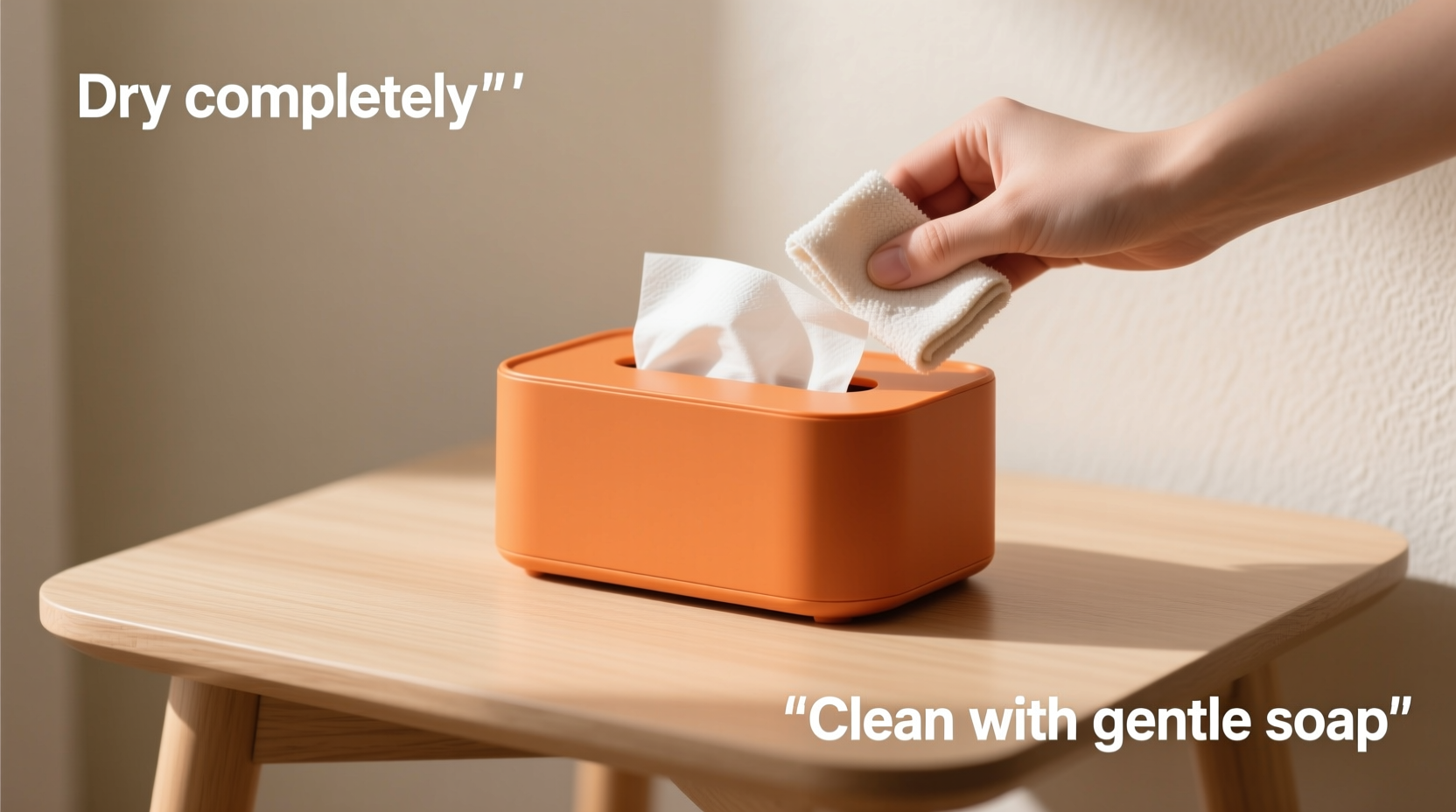
An orange tissue box holder sits in high-traffic areas where it’s exposed to airborne dust, skin oils, and humidity. Over time, these elements dull the finish, especially on painted or coated surfaces. For porous materials like untreated wood or unglazed ceramic, absorbed moisture can promote mold growth. Regular upkeep prevents staining, warping, and discoloration, ensuring your decor remains fresh and hygienic.
Moreover, maintaining the integrity of the holder supports its function. A warped or cracked base may fail to hold a standard tissue box securely. Preventive care is far simpler—and less costly—than replacement.
Step-by-Step Guide to Safe Cleaning
Cleaning an orange tissue box holder requires attention to material type and color preservation. Follow this six-step process to clean effectively without damaging the surface.
- Remove the tissue box and liner (if present): Take out any remaining tissues and paper inserts. If your holder uses a removable plastic liner, set it aside for separate cleaning.
- Dust thoroughly: Use a microfiber cloth or soft duster to remove loose particles. Pay attention to crevices and decorative edges where dust accumulates.
- Prepare a gentle cleaning solution: Mix a few drops of mild dish soap with warm water. Avoid bleach, ammonia, or abrasive cleaners that can strip color or degrade materials.
- Clean the surface: Dip a soft sponge or cloth into the solution, wring it out well, and gently wipe the entire holder. For textured surfaces, use a soft-bristle toothbrush to reach grooves without scratching.
- Rinse and dry: Wipe down with a damp cloth to remove soap residue. Immediately dry with a lint-free towel to prevent water spots or moisture absorption.
- Inspect and restore: Check for signs of wear. If the finish appears faded, consider applying a protective coating appropriate to the material (e.g., clear sealant for wood, silicone spray for metal).
Material-Specific Care Instructions
Not all tissue box holders are created equal. The material determines which cleaning agents and techniques are safe. Below is a breakdown of best practices by common construction types.
| Material | Safe Cleaning Methods | Avoid | Special Tips |
|---|---|---|---|
| Ceramic | Soap and water, soft cloth | Scouring pads, acidic cleaners | Dry completely to avoid trapped moisture under glaze imperfections. |
| Plastic | Mild detergent, vinegar solution (1:1 water/vinegar) | Boiling water, direct sunlight during drying | Vinegar helps remove mild odors; never soak for long periods. |
| Metal (e.g., aluminum, coated steel) | Damp soapy cloth, immediate drying | Steel wool, chlorinated cleaners | Wipe in direction of grain; apply rust inhibitor if used in bathrooms. |
| Wood (painted or sealed) | Slightly damp cloth, wood-safe cleaner | Excessive water, soaking | Reapply sealant annually to protect against humidity. |
Preventative Maintenance Checklist
To keep your orange tissue box holder looking vibrant and functioning well, follow this monthly maintenance checklist:
- ✅ Remove and empty the tissue box weekly
- ✅ Wipe down exterior with a dry microfiber cloth
- ✅ Deep clean using mild soapy water every 2–3 weeks
- ✅ Inspect for cracks, chips, or fading paint
- ✅ Ensure ventilation if placed in humid areas
- ✅ Rotate position occasionally to prevent uneven sun exposure
- ✅ Store indoors during extreme temperatures (e.g., seasonal decor)
Real Example: Reviving a Faded Bathroom Holder
Sarah from Portland noticed her bright orange plastic tissue box holder in the guest bathroom had turned chalky and dull after two years of daily use. Despite regular wiping, humidity from showers had caused fine haze on the surface. She followed the recommended cleaning steps: removed the box, dusted with a microfiber cloth, then cleaned with a vinegar-water solution. After rinsing and drying, she applied a thin coat of automotive-grade UV protectant spray (safe for plastics) to restore shine and guard against future fading. Within 30 minutes, the holder looked nearly new. Sarah now cleans it every three weeks and keeps the bathroom door open after showers to improve airflow.
“Color retention in decorative household items depends more on environmental control than frequency of cleaning.” — Dr. Lena Torres, Materials Conservation Specialist at the Home Durability Institute
Frequently Asked Questions
Can I put my orange tissue box holder in the dishwasher?
No, unless explicitly labeled as dishwasher-safe. Most decorative holders—especially those with paint, adhesive elements, or mixed materials—are not designed for high heat and strong detergents. Hand washing is always safer.
Why is my orange holder turning white or cloudy?
This is often due to mineral deposits from hard water or trapped moisture. For plastic or glass, a vinegar rinse can dissolve residues. For sealed wood or painted surfaces, cloudiness may indicate delamination—avoid soaking and consult a restoration guide.
How do I prevent the color from fading?
Limit direct sunlight exposure, clean regularly to prevent grime buildup, and apply a UV-protective coating suitable for the material. Rotating the holder periodically ensures even light exposure.
Conclusion: Make Care a Seamless Habit
Your orange tissue box holder plays a subtle yet significant role in your space’s aesthetic and functionality. With minimal effort, consistent cleaning and smart placement can preserve its vivid color and structural integrity for years. By tailoring your approach to the material and environment, you ensure both hygiene and visual appeal. Don’t wait until fading or damage becomes visible—integrate these simple steps into your routine cleaning schedule.




 浙公网安备
33010002000092号
浙公网安备
33010002000092号 浙B2-20120091-4
Comments
No comments yet. Why don't you start the discussion?