
Designer chest bags are more than just accessories—they're investments in style, function, and craftsmanship. Whether you own a limited-edition piece from a luxury brand or a high-end model built for urban versatility, maintaining its condition is essential. Dust, sweat, rain, and daily wear can degrade materials over time, dulling finishes and weakening structural integrity. With the right care routine, however, your chest bag can retain its elegance and durability for years. This comprehensive guide walks you through every stage of cleaning and preservation, tailored specifically to the unique design and materials of designer chest bags.
Understanding Your Bag’s Materials
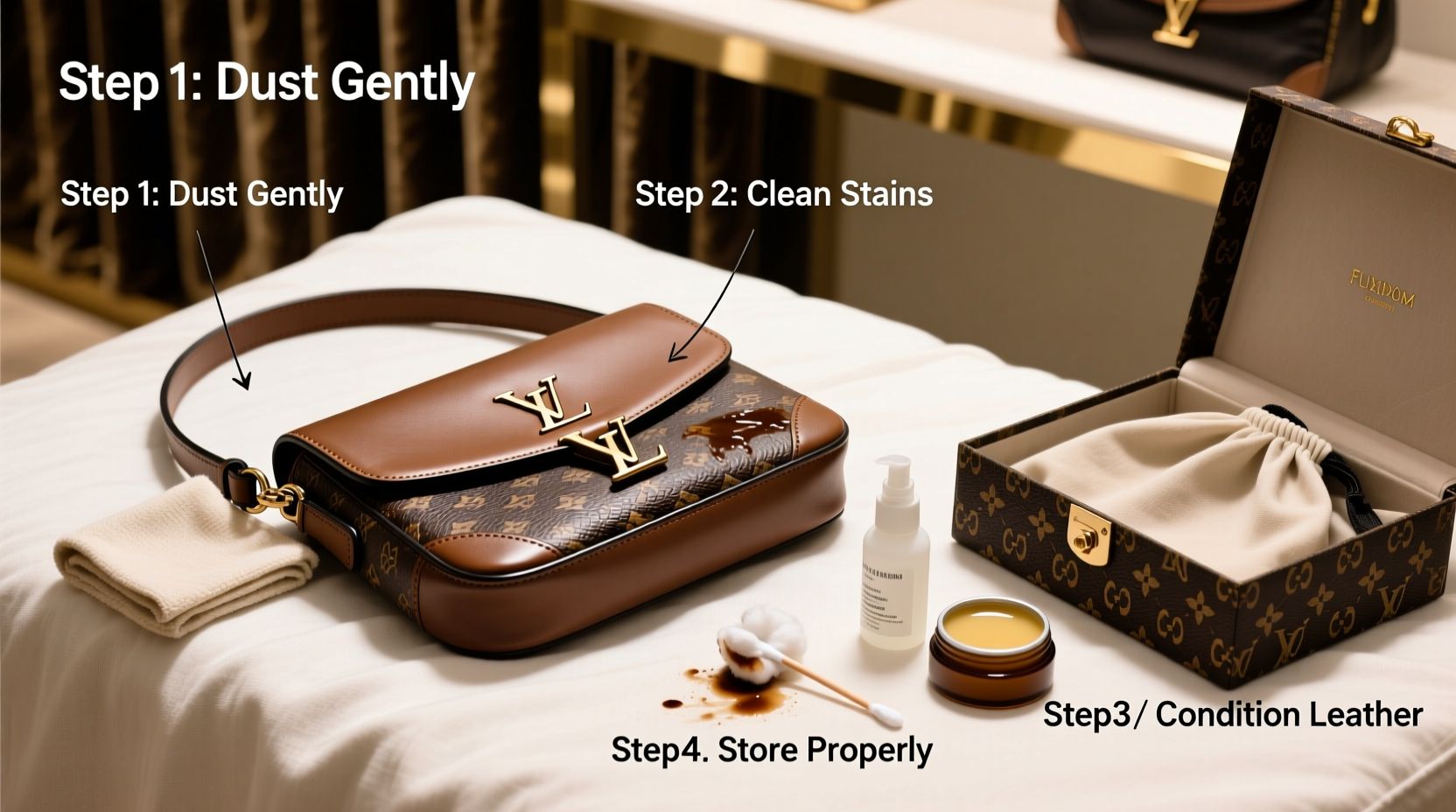
Before any cleaning begins, identify the primary materials used in your chest bag. Most designer models combine multiple components: smooth or textured leather, coated canvas, nylon, suede, metal hardware, and fabric linings. Each material responds differently to cleaning agents and environmental exposure. Misidentifying or mismanaging one element can lead to irreversible damage—such as cracking leather, discolored fabric, or tarnished zippers.
Check the care label or consult the manufacturer’s website for official maintenance instructions. If unavailable, examine stitching tags or product codes that may indicate material composition. When in doubt, assume sensitivity and proceed with caution using the mildest possible methods.
Step-by-Step Cleaning Process
Cleaning a designer chest bag requires patience and precision. Rushing the process risks spreading dirt or damaging delicate surfaces. Follow this timeline-tested sequence for optimal results.
- Empty and inspect: Remove all contents, including small items from hidden compartments. Check for loose threads, broken stitches, or hardware instability.
- Dry brushing: Use a soft-bristle brush (like a toothbrush reserved for cleaning) to gently remove surface dust and debris from seams, corners, and crevices.
- Spot test: Apply a small amount of cleaner to an inconspicuous area (e.g., inside strap or under flap). Wait 10–15 minutes to ensure no discoloration or texture change occurs.
- Surface wipe-down: For smooth leather or coated fabrics, dampen a microfiber cloth with a pH-balanced leather or textile cleaner. Wipe in gentle, circular motions, avoiding saturation.
- Suede/nubuck treatment: Use a specialized suede eraser or rubber brush to lift stains. For deeper marks, apply a professional-grade suede protector spray after cleaning.
- Hardware polishing: Buff metal zippers, buckles, and logos with a jewelry polishing cloth. Avoid abrasive pastes unless specified by the brand.
- Interior cleaning: Vacuum lightly with a handheld nozzle, then wipe lining with a dry or slightly damp lint-free cloth. Do not soak fabric interiors.
- Air dry: Place the bag in a well-ventilated room away from direct sunlight or heat sources. Stuff loosely with acid-free tissue paper to maintain shape.
“Many clients ruin their bags within weeks by using household wipes containing alcohol or bleach. Designer materials need curated care.” — Marcus Lin, Luxury Accessory Conservator at The Atelier Restoration Lab
Preservation Techniques for Longevity
Cleaning alone isn’t enough. True preservation involves ongoing habits and protective strategies that prevent deterioration before it starts.
- Rotate usage: Avoid wearing the same chest bag daily. Rotation reduces stress on straps and closures.
- Apply protective coatings: Use a manufacturer-approved waterproofing spray for fabric areas and a leather conditioner every 6–8 weeks.
- Control humidity: Store in environments with 45–55% relative humidity. Too dry causes cracking; too moist invites mold.
- Maintain shape: Always store with light stuffing to prevent collapse of structured panels.
Do’s and Don’ts of Chest Bag Maintenance
| Action | Do | Don't |
|---|---|---|
| Cleaning Frequency | Wipe exterior weekly; deep clean every 2–3 months | Wait until visibly dirty or stained |
| Storage | In breathable cotton dust bag, upright position | In plastic bins or crumpled in drawers |
| Liquid Exposure | Blot spills immediately with dry cloth | Rub aggressively or submerge in water |
| Odor Control | Use charcoal sachets or cedar blocks | Apply perfumes or scented sprays directly |
Real Example: Recovering a Rain-Damaged Leather Chest Bag
Jamie, a creative director in Berlin, left his black calfskin chest bag exposed to drizzle during a commute. By evening, the shoulder strap had developed white bloom—a sign of moisture penetration. Instead of panicking, he followed a preservation protocol: first, he wiped the surface with a dry microfiber cloth, then air-dried the bag at room temperature for 24 hours. After ensuring complete dryness, he applied a thin layer of pH-neutral leather balm. Within two days, the finish regained its luster, and no lasting damage occurred. His mistake? Not applying a waterproofing spray initially. Now, he treats all his leather accessories with a protective sealant every season.
This case illustrates how prompt response and correct technique can reverse minor incidents. However, prevention remains far more effective—and less stressful—than recovery.
Essential Care Checklist
Keep this checklist handy for monthly maintenance routines:
- ☐ Empty and inspect for wear or loose hardware
- ☐ Dry brush exterior and interior seams
- ☐ Wipe smooth surfaces with appropriate cleaner
- ☐ Condition leather elements (if applicable)
- ☐ Polish metal components with non-abrasive cloth
- ☐ Replace stuffing with fresh acid-free paper
- ☐ Reapply protective spray if needed
- ☐ Store properly in dust bag, away from light and moisture
Frequently Asked Questions
Can I machine wash the fabric lining of my chest bag?
No. Machine washing can distort shape, weaken adhesives, and damage internal structure. Always clean linings manually using a dry or slightly damp cloth. If heavily soiled, consult a professional cleaner specializing in luxury accessories.
How often should I condition a leather chest bag?
Every 6 to 8 weeks under regular use. In dry climates or during winter months, increase frequency to every 4–6 weeks. Over-conditioning can soften leather excessively, so moderation is key.
Is it safe to use alcohol-free wipes for quick cleanups?
Only if they are specifically formulated for luxury goods. Standard \"alcohol-free\" wipes may still contain surfactants or fragrances that degrade coatings or dyes. Opt instead for pre-moistened luxury accessory wipes from brands like Collonil or Saphir.
Final Thoughts: Make Preservation a Habit
A designer chest bag reflects personal taste and disciplined investment. Its value—both monetary and emotional—grows when cared for with intention. Cleaning isn’t a one-time fix but part of a continuous cycle of attention and respect for craftsmanship. By integrating these steps into your lifestyle, you extend not only the life of the bag but also the pride you feel carrying it.




 浙公网安备
33010002000092号
浙公网安备
33010002000092号 浙B2-20120091-4
Comments
No comments yet. Why don't you start the discussion?