
Metal and paracord keychains are more than just functional—they’re personal. Whether handmade, gifted, or custom-designed, these small accessories endure daily wear, sweat, dirt, and moisture. Over time, corrosion, grime buildup, and frayed cords can dull their appeal. But with the right care, a neglected keychain can be restored to its original luster. This guide provides a thorough, safe process for cleaning and revitalizing both the metal components and the paracord, ensuring longevity and visual appeal without damaging materials.
Why Regular Maintenance Matters
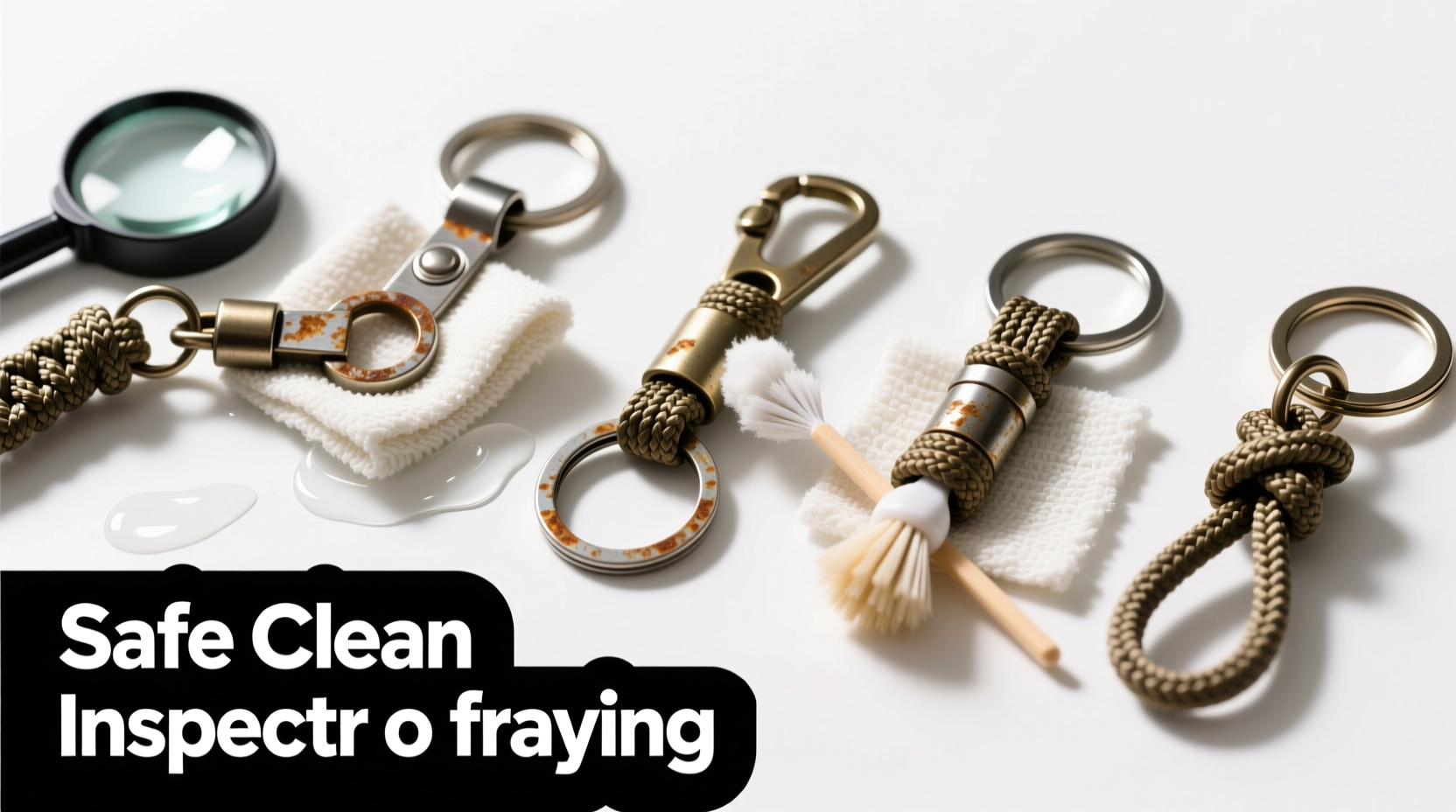
Paracord—short for parachute cord—is durable but porous, absorbing oils and moisture from hands and environments. Metal parts, especially those made of steel, brass, or aluminum, are prone to oxidation when exposed to humidity and salt. Without routine care, tarnish forms, threads weaken, and structural integrity declines. Cleaning isn’t just about aesthetics; it prevents premature failure and extends service life. A well-maintained keychain not only looks better but also performs reliably under stress, such as in emergency situations where paracord might be used.
“Proper maintenance of tactical gear starts with the smallest items. A clean keychain reflects preparedness and attention to detail.” — Jason Reed, Outdoor Gear Specialist and Survival Instructor
Step-by-Step Guide to Cleaning and Restoration
Restoring a metal and paracord keychain involves separate processes for each material, followed by reassembly and protection. Follow this sequence carefully to avoid damage.
- Disassemble if possible: Remove the metal hardware (carabiner, clip, shackle) from the paracord knot or weave. If it’s a fused loop, skip disassembly but take note of tension points.
- Inspect both components: Check for deep rust on metal, fraying or mildew in the cord, and any cracked or deformed hardware.
- Clean the metal first: Use appropriate methods based on metal type (see table below).
- Wash the paracord: Hand-wash using mild detergent and lukewarm water.
- Rinse and dry thoroughly: Air-dry paracord completely before reattaching metal parts.
- Reassemble and protect: Reattach hardware and apply protective coatings if desired.
Cleaning Metal Components by Type
Different metals react differently to cleaning agents. Using the wrong method can cause pitting, discoloration, or accelerated corrosion.
| Metal Type | Safe Cleaners | Avoid | Special Notes |
|---|---|---|---|
| Stainless Steel | Vinegar soak, baking soda paste, isopropyl alcohol | Chlorine bleach, steel wool | Resistant to rust but can stain; polish with microfiber after cleaning. |
| Brass | Lemon juice + salt, commercial brass polish | Vinegar (long exposure), abrasive pads | Tarnishes quickly; frequent polishing maintains shine. |
| Aluminum | Mild soap, diluted vinegar | Bleach, ammonia, high-abrasion tools | Soft metal—scratches easily; use soft cloths only. |
| Anodized Aluminum | Water, mild soap | Polishing compounds, solvents | Protective oxide layer can be stripped; clean gently. |
| Carbon Steel | Rubbing alcohol, light oil wipe | Water immersion, prolonged air exposure | Highly prone to rust; always dry and oil after use. |
Deep Cleaning Paracord Safely
Paracord (typically nylon) can harbor bacteria, odors, and grime. However, aggressive washing can compromise tensile strength.
- Soak the cord in warm water mixed with a teaspoon of mild dish soap for 10–15 minutes.
- Gently agitate with fingers to loosen embedded dirt.
- For stained areas, use an old soft toothbrush to lightly scrub.
- Rinse under running water until no suds remain.
- Air-dry flat or hung vertically—never use a dryer or direct heat.
If mildew is present (indicated by musty smell or black specks), add one tablespoon of white vinegar or oxygen-based bleach (not chlorine) to the soak. Rinse thoroughly afterward.
Restoration Techniques for Damaged Keychains
Slight wear is normal, but some issues require intervention beyond cleaning.
Dealing with Rust and Tarnish
Surface rust on ferrous metals can often be removed without permanent damage. For light rust:
- Apply a paste of baking soda and water to the affected area.
- Let sit for 5–10 minutes.
- Scrub gently with a soft toothbrush.
- Rinse and dry immediately.
- Apply a thin coat of machine oil or WD-40 to prevent recurrence.
For heavy rust or pitting, replacement may be safer than restoration, especially if structural weakness is evident.
Repairing Frayed Paracord
If ends are unraveling but the main body is intact:
- Cut off the frayed section with sharp scissors.
- Re-melt the end with a lighter, holding it 1–2 inches from the flame.
- Press the melted tip onto a non-flammable surface to flatten and seal.
If internal strands are broken or the weave is compromised, consider retying the knot or replacing the cord entirely.
Checklist: Complete Keychain Care Routine
- ☐ Disassemble hardware from paracord
- ☐ Inspect for rust, cracks, or fraying
- ☐ Clean metal with appropriate method
- ☐ Wash paracord with mild soap and water
- ☐ Rinse and fully air-dry all parts
- ☐ Reassemble and test functionality
- ☐ Apply protective oil or wax to metal if needed
- ☐ Store in a dry, ventilated space
Real Example: Reviving a Salt-Damaged Tactical Keychain
Mark, a coastal hiker, noticed his stainless steel carabiner keychain had developed red spots and a gritty texture after months of beachside use. The paracord smelled faintly of mildew. He soaked the metal in a vinegar-water solution (1:1) for 10 minutes, brushed off residue, and dried it with a lint-free cloth. The paracord was washed in soapy water with a splash of vinegar, then air-dried for 24 hours. After reassembly, he applied a drop of silicone lubricant to the hinge. The keychain regained smooth operation and lost its odor. Mark now cleans it monthly during hiking season.
Frequently Asked Questions
Can I put my paracord keychain in the dishwasher?
No. Dishwashers expose materials to high heat, harsh detergents, and mechanical agitation that can melt nylon fibers, degrade dyes, and corrode metal over time. Hand washing is the only safe method.
How do I prevent my paracord from fading?
Limit UV exposure. Prolonged sunlight breaks down nylon and fades colors. When not in use, store the keychain indoors, away from windows or direct sun. Some users apply UV-protective sprays designed for outdoor fabrics.
Is it safe to use rubbing alcohol on all metal types?
Rubbing alcohol (isopropyl) is generally safe for most metals as a quick degreaser or disinfectant because it evaporates quickly and doesn’t cause oxidation. However, avoid prolonged contact with coated or anodized finishes, as it may dull the surface over time.
Final Tips for Long-Term Preservation
Prevention is the best form of maintenance. Keep your keychain dry and clean it regularly rather than waiting for visible damage. Rotate multiple keychains to reduce wear on a single piece. For collectors or sentimental items, consider displaying them in a dry case when not in use.
Take Action Today
Your keychain is more than an accessory—it’s a tool, a keepsake, or a statement of readiness. With just 15 minutes and basic household supplies, you can restore its function and pride of ownership. Don’t wait until corrosion sets in or fibers snap. Clean it now, maintain it consistently, and treat it with the care it deserves. Share your restoration results or ask questions in the community—because even the smallest gear tells a story worth preserving.




 浙公网安备
33010002000092号
浙公网安备
33010002000092号 浙B2-20120091-4
Comments
No comments yet. Why don't you start the discussion?