
A window air conditioner is a reliable ally during hot summer months, but when cooling performance drops, many homeowners suspect low refrigerant levels. While recharging the refrigerant might seem like a logical fix, it’s not always straightforward—and doing it improperly can damage the unit or pose health and environmental risks. Unlike portable appliances, refrigerant handling requires precision, knowledge, and adherence to safety regulations. This guide walks you through the correct, safe process of diagnosing, preparing for, and recharging a window AC unit—only when appropriate—and emphasizes when professional help is essential.
Understanding Refrigerant in Window AC Units
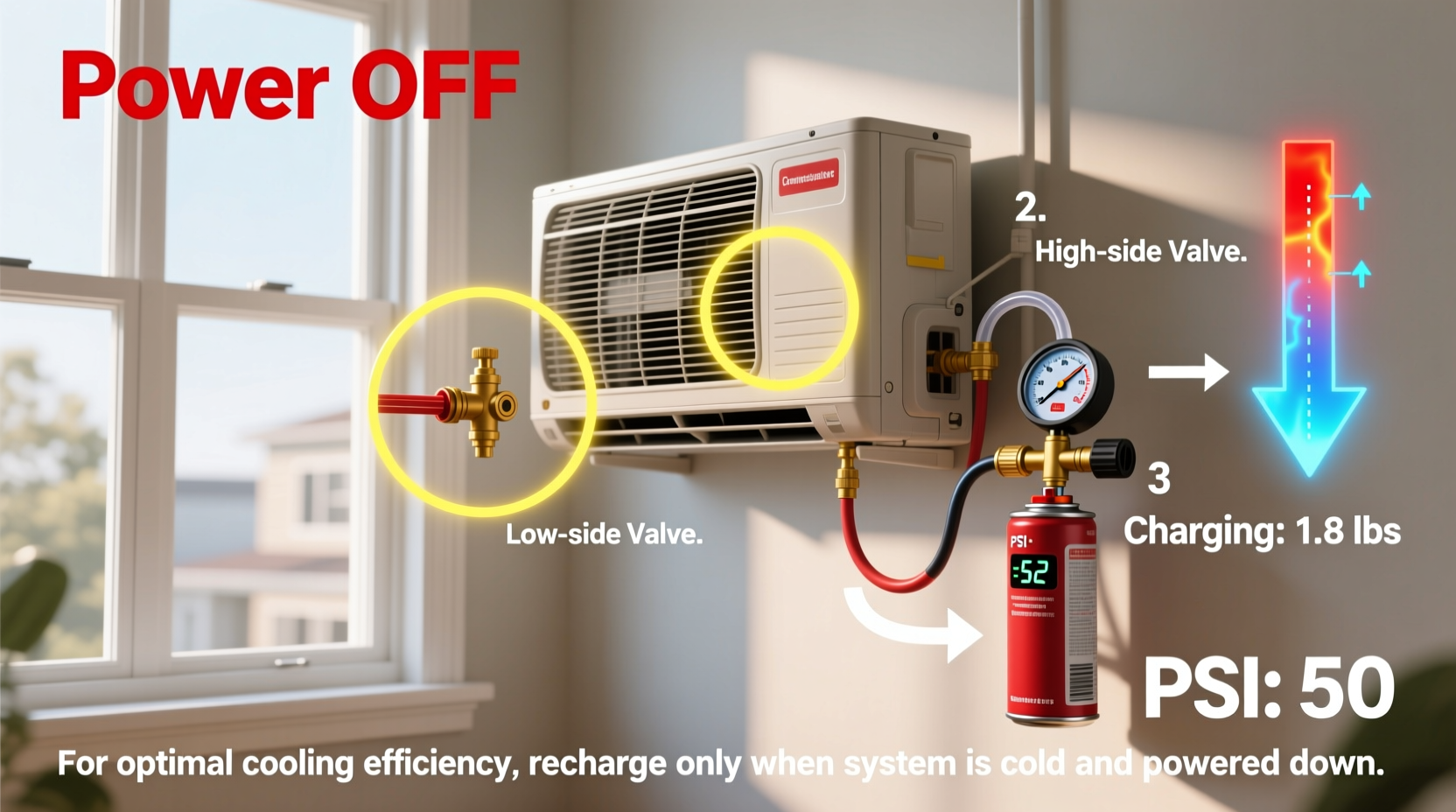
Window AC units operate on a closed-loop refrigeration system. The refrigerant—commonly R-410A or R-22 in older models—absorbs heat from indoor air and releases it outside. Under normal conditions, this refrigerant circulates indefinitely without needing replenishment. If cooling weakens, it often indicates a leak rather than routine depletion.
Refrigerant isn’t like oil in a car; it doesn’t get “used up.” A properly sealed system should retain its charge for years. Therefore, recharging without finding and repairing a leak is a temporary fix at best and environmentally irresponsible at worst. Venting refrigerant into the atmosphere is illegal under EPA regulations due to its ozone-depleting potential and high global warming impact.
“Refrigerant leaks are not just performance issues—they’re environmental hazards. Always locate and repair the source before considering a recharge.” — James Holloway, HVAC Technician & EPA 608 Certified Specialist
When Should You Recharge Your Window AC?
Before attempting any recharge, confirm that low refrigerant is actually the issue. Common signs include:
- Warm air blowing from the vents despite correct thermostat settings
- Frost or ice forming on the evaporator coils or refrigerant lines
- Hissing or bubbling sounds near the refrigerant tubing
- Reduced airflow even with clean filters
However, these symptoms may also stem from dirty coils, clogged filters, or electrical problems. Always rule out simpler causes first. If you’ve cleaned the filter, checked the power supply, and ensured unrestricted airflow but still experience poor cooling, a refrigerant issue may be present.
Step-by-Step Guide to Safely Recharge Your Window AC Unit
Recharging a window AC unit involves connecting a refrigerant charging kit, monitoring pressure gauges, and slowly adding refrigerant until optimal levels are reached. This procedure should only be attempted if you have prior HVAC experience and the proper tools. For most homeowners, consulting a certified technician is the safer, legal, and more effective choice.
- Turn off and unplug the unit – Safety starts here. Disconnect power completely to prevent electrical shock during inspection.
- Inspect for visible damage or oil stains – Look along copper refrigerant lines and connections for oily residue, which indicates a leak. Use a flashlight if needed.
- Clean the unit thoroughly – Remove dust from filters, evaporator coils, and condenser fins. Poor airflow mimics low refrigerant symptoms.
- Obtain an EPA-compliant charging kit – These kits typically include a gauge manifold, hose, and small refrigerant can (134a or R-410A, depending on your unit). Ensure compatibility with your AC model.
- Locate the service valves – Most window units have low-pressure (suction) and high-pressure (discharge) service ports, usually capped and labeled. The low-side valve is used for charging.
- Attach the charging hose – Connect the blue hose from the gauge set to the low-pressure service port. Attach the other end to the refrigerant can using a piercing valve.
- Start the AC and monitor pressure – Plug in and turn on the unit. Observe the pressure gauge. Compare readings to the manufacturer’s specifications (usually listed on the unit’s data plate).
- Add refrigerant slowly – Open the valve on the can slightly. Add refrigerant in short bursts while monitoring pressure and airflow temperature. Do not overfill.
- Disconnect and seal – Once optimal pressure is achieved, close the valve, disconnect the hose, and replace service caps.
- Test cooling performance – Let the unit run for 20–30 minutes. Check for consistent cold air output and absence of icing.
Important Warnings During Recharge
- Never vent refrigerant into the air.
- Do not mix refrigerant types.
- Overcharging can cause compressor failure.
- Moisture ingress during charging reduces efficiency and promotes corrosion.
Do’s and Don’ts of AC Recharging
| Do’s | Don’ts |
|---|---|
| Use only EPA-approved refrigerants matching your unit’s specs | Use automotive AC recharge kits designed for cars |
| Wear protective gloves and goggles | Work in poorly ventilated areas |
| Follow manufacturer pressure guidelines | Guess refrigerant amounts based on time or weight alone |
| Hire a licensed technician for leaks or complex repairs | Attempt welding or brazing refrigerant lines without certification |
| Keep the unit level and stable during operation | Run the AC tilted backward, which can damage internal components |
Real-World Example: Maria’s Summer Cooling Crisis
Maria noticed her bedroom was no longer cooling, despite setting her window AC to the lowest temperature. She cleaned the filter and wiped down the coils, but performance didn’t improve. After researching online, she bought a DIY refrigerant kit labeled “for home AC units.” Following the instructions, she connected the hose and added refrigerant for two minutes. Initially, the air felt colder—but within hours, the unit began making loud noises and eventually shut down.
A technician later diagnosed the issue: Maria had overcharged the system, causing liquid refrigerant to flood the compressor—a condition known as slugging. The excess pressure damaged internal valves. The unit required a full compressor replacement, costing far more than a professional diagnostic visit would have. The root cause? A tiny pinhole leak in the coil, which should have been repaired before any recharge.
This case illustrates why understanding the full system—and knowing your limits—is crucial.
When to Call a Professional
While minor maintenance like cleaning and filter changes are homeowner-friendly, refrigerant work crosses into regulated territory. The U.S. Environmental Protection Agency (EPA) requires technicians to be Section 608 certified to handle refrigerants legally. This ensures proper recovery, recycling, and leak repair practices.
If you observe any of the following, contact a licensed HVAC technician:
- Persistent hissing or bubbling sounds
- Oily residue on refrigerant lines
- The need to recharge more than once every few years
- Uncertainty about refrigerant type or pressure specs
Frequently Asked Questions
Can I recharge my window AC myself legally?
In the U.S., homeowners can purchase small cans of refrigerant for “topping off,” but intentionally releasing refrigerant during the process violates the Clean Air Act. Full recovery, repair, and recharge must be done by an EPA-certified technician. DIY recharging carries legal, safety, and equipment risks.
How long should refrigerant last in a window AC?
In a sealed system, refrigerant should last the lifetime of the unit—typically 8 to 12 years. Frequent recharging indicates an underlying leak that needs professional attention.
What happens if I add too much refrigerant?
Overcharging increases head pressure, forces the compressor to work harder, and can lead to overheating or mechanical failure. It may also cause liquid refrigerant to return to the compressor, resulting in catastrophic damage.
Final Checklist Before Any Recharge Attempt
- Unit is unplugged and cooled down
- Air filter is clean and properly seated
- Evaporator and condenser coils are free of debris
- No visible oil stains or physical damage to refrigerant lines
- Correct refrigerant type confirmed via unit label
- Pressure gauge and charging kit compatible with your system
- You are working in a well-ventilated area with safety gear
- You understand the risks and legal responsibilities involved
Conclusion: Cool Comfort Starts with Smart Care
Optimal cooling from your window AC depends on more than just refrigerant levels. Regular maintenance, proper installation, and timely professional intervention ensure longevity and efficiency. While the idea of recharging your unit yourself may seem cost-effective, the risks often outweigh the benefits. When cooling falters, start with the basics: clean, inspect, and evaluate. If a refrigerant issue is confirmed, trust a certified technician to handle the job safely and legally.




 浙公网安备
33010002000092号
浙公网安备
33010002000092号 浙B2-20120091-4
Comments
No comments yet. Why don't you start the discussion?