
Replacing the fuel pump on a 1992–1999 Buick LeSabre is a manageable DIY task for intermediate-level mechanics. These full-size sedans are known for longevity, but like any vehicle over 25 years old, components such as the fuel pump eventually wear out. A failing fuel pump can cause hard starts, stalling, or complete engine failure. Replacing it before total failure prevents being stranded. This guide walks you through each phase—safety preparation, removal, installation, and testing—with precision and care.
Safety First: Preparing for the Job
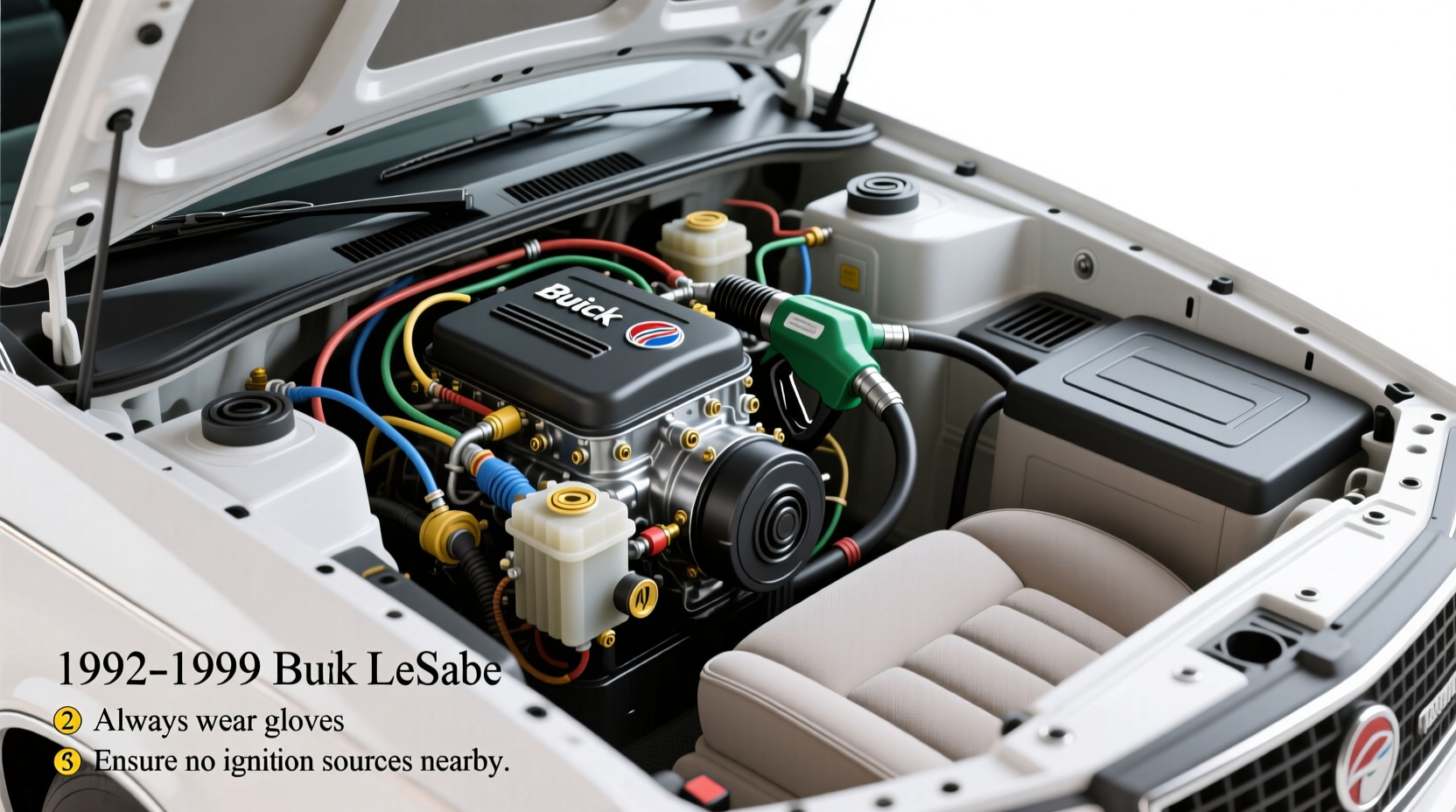
Fuel system work requires strict adherence to safety protocols. Gasoline is highly flammable, and pressurized fuel lines can spray fuel if mishandled. Begin by disconnecting the battery to eliminate ignition sources. Work in a well-ventilated area, preferably outdoors or in a garage with open doors. Keep a Class B fire extinguisher nearby.
Relieve fuel pressure before opening any lines. On the LeSabre, this is done at the Schrader valve located on the fuel rail, near the engine’s intake manifold. Cover the valve with a rag and depress the pin using a small screwdriver. Fuel will spray out briefly—this is normal. Once no more hissing is heard, the system is depressurized.
Tools and Parts You’ll Need
Gather all necessary tools and replacement parts before starting. Having everything on hand avoids interruptions and keeps you focused.
| Item | Purpose |
|---|---|
| Socket wrench set (3/8\" drive) | Removing bolts from fuel tank straps and filler neck |
| Jack and jack stands (or lift) | Elevating the vehicle safely |
| Fuel line disconnect tool (GM-specific) | Releasing quick-connect fuel lines without damage |
| Torque wrench | Properly tightening mounting hardware |
| Trim panel removal tool | Removing interior trim without cracking plastic |
| New fuel pump assembly (OEM or quality aftermarket) | Direct replacement—includes pump, strainer, and sending unit |
| Fuel-resistant sealant or gasket | Sealing the fuel tank access cover |
“On older GM vehicles like the LeSabre, the fuel pump often fails due to contaminated fuel or worn brushes in the motor. Replacing it early avoids secondary damage to the fuel filter or injectors.” — Mark Reynolds, ASE-Certified Technician with 28 years of experience
Accessing the Fuel Pump: Interior vs. Under-Vehicle Approach
The 1992–1999 Buick LeSabre features an access panel under the rear seat, allowing fuel pump replacement without dropping the gas tank. This design saves time and reduces risk. However, some models—especially those modified or rust-prone—may have sealed panels, requiring tank removal.
To access via the interior:
- Slide the rear seat forward and remove it by unbolting the front and rear brackets.
- Peel back the carpet liner to expose a metal plate secured with 6–8 Torx or hex bolts.
- Remove the bolts and lift the access cover carefully.
- Disconnect the electrical connector and fuel lines above the pump module.
If the access panel is missing or welded shut, the fuel tank must be lowered. Use a floor jack with a wide wood block to support the tank. Remove the straps, disconnect all lines and wiring, then lower the tank slowly.
Step-by-Step Replacement Procedure
Follow these steps precisely to ensure a safe and effective fuel pump replacement.
- Disconnect the battery ground cable. This prevents sparks during electrical disconnection.
- Depressurize the fuel system using the Schrader valve on the fuel rail.
- Remove the rear seat and expose the fuel pump access cover.
- Unbolt the access plate and set aside. Be cautious of debris falling into the tank.
- Disconnect the electrical harness from the top of the fuel pump module.
- Use a GM fuel line disconnect tool to release the quick-connect fittings. Slide the tool in and push the collar inward while pulling the line free.
- Rotate the fuel pump lock ring counterclockwise using a special fuel pump removal tool or a brass punch and hammer. Tap gently to avoid damaging the tank.
- Lift the pump assembly straight up and out of the tank. Inspect the old pump for debris or corrosion.
- Transfer the fuel sender arm and hose to the new pump if not included in the assembly.
- Install the new pump by aligning the tabs and rotating the lock ring clockwise until it seats firmly.
- Reconnect the fuel lines and electrical connector. Ensure clicks are heard on the quick connects.
- Replace the access cover with a new gasket or sealant to prevent vapor leaks.
- Reinstall the rear seat and reconnect the battery.
Testing and Final Checks
After installation, turn the key to the “ON” position without starting the engine. The fuel pump should prime for 2–3 seconds, building pressure in the lines. Listen near the rear seat—you should hear a brief humming sound. Repeat this two more times to fully prime the system.
Start the engine and monitor for smooth idle and absence of fuel leaks. Check underneath the car and around the access panel for drips. Let the engine run for at least five minutes while inspecting connections. Take a short test drive to verify performance under acceleration and load.
📋 **Post-Replacement Checklist**- ✅ Battery reconnected
- ✅ Fuel system primed (key ON, 3 cycles)
- ✅ No fuel leaks observed
- ✅ Engine starts smoothly and idles steadily
- ✅ All interior panels and seat securely reinstalled
Real-World Example: Avoiding a Costly Mistake
John, a retired mechanic in Ohio, attempted to replace his 1996 LeSabre’s fuel pump without depressurizing the system. When he disconnected the fuel line above the tank, pressurized gasoline sprayed across the trunk and onto hot exhaust components. Fortunately, he had a fire extinguisher ready and avoided injury. After cleaning the area thoroughly and waiting for fumes to dissipate, he restarted the job correctly—depressurizing first. His mistake cost him half a day but taught him a lasting lesson: never skip safety steps, even on familiar vehicles.
Frequently Asked Questions
How long does it take to replace a fuel pump on a 92–99 LeSabre?
With the interior access panel, most DIYers complete the job in 2–3 hours. If the tank must be dropped, expect 4–6 hours depending on rust and tool availability.
Can I use an aftermarket fuel pump?
Yes, but choose a reputable brand like Airtex, Delphi, or AC Delco. Cheap pumps may fail within months due to weak motors or poor sealing.
What are the signs of a failing fuel pump?
Common symptoms include engine sputtering at high speed, difficulty starting (especially when hot), loss of power under acceleration, and a loud whining noise from the rear of the car.
Final Thoughts and Action Step
Replacing the fuel pump on your Buick LeSabre doesn’t require a dealership visit. With proper preparation, the right tools, and attention to safety, you can restore reliable performance and extend your vehicle’s life for thousands more miles. Many owners report smoother operation and improved fuel efficiency after replacing aging pumps. Don’t wait for complete failure—address warning signs early.




 浙公网安备
33010002000092号
浙公网安备
33010002000092号 浙B2-20120091-4
Comments
No comments yet. Why don't you start the discussion?