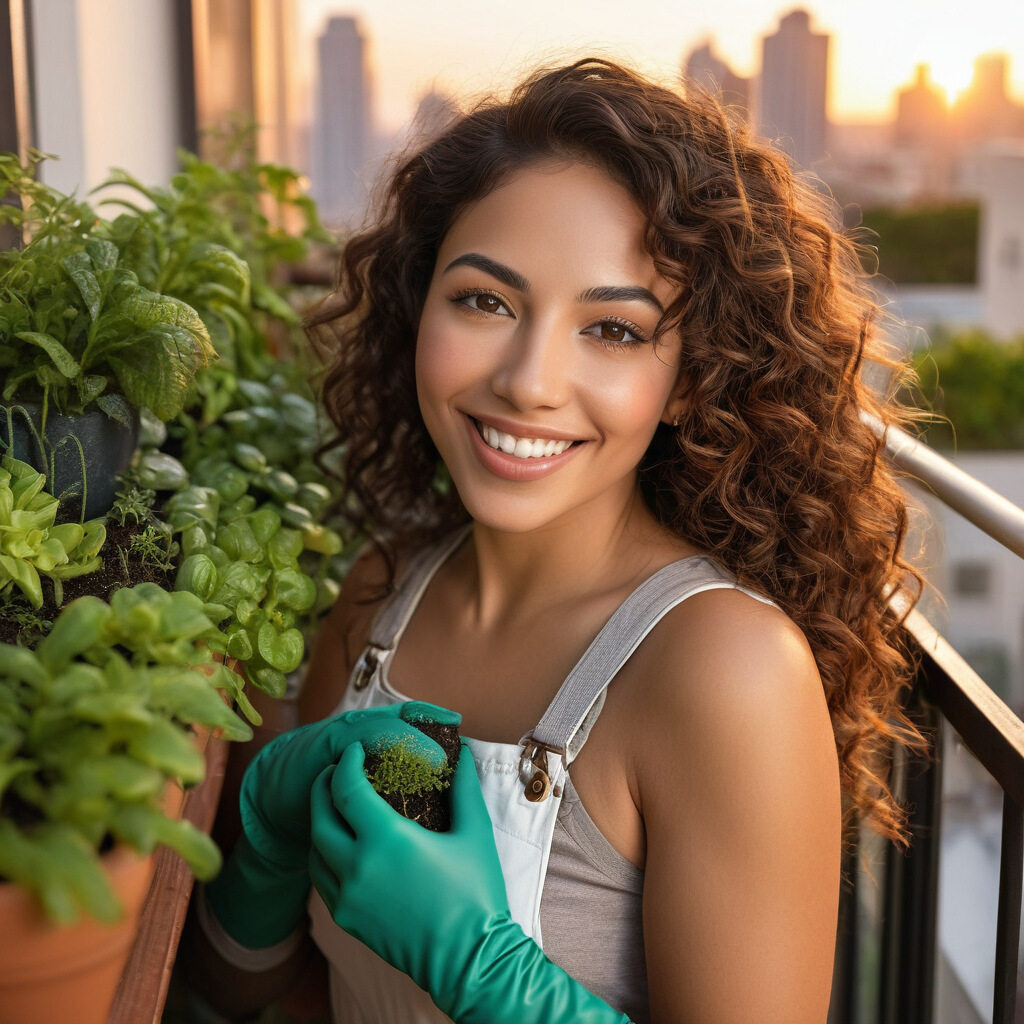
Repotting a rare houseplant is both an act of care and a calculated risk. These botanical treasures—such as variegated Monstera Albo, Alocasia Dragon Scale, or the elusive Hoya carnosa ‘Krimson Queen’—demand precision. Unlike common houseplants, rare specimens often have slower growth rates, specific root sensitivities, and limited availability, making recovery from stress far less predictable. Transplant shock can manifest as leaf drop, stunted growth, or even irreversible decline. However, with careful planning and execution, repotting can invigorate your plant rather than endanger it. This guide walks you through every stage of the process, ensuring your rare plant transitions smoothly into its new home.
Why Repotting Rare Plants Requires Special Care
Rare houseplants are not just expensive; they’re often genetically unique or difficult to propagate. Their rarity stems from slow reproduction, unstable variegation, or demanding environmental needs. When such plants experience stress, their ability to rebound is significantly lower than that of more resilient species. Roots are especially sensitive—many rare aroids, for example, develop delicate aerial roots that easily desiccate when exposed. Even minor disruptions in moisture, light, or root integrity can trigger defensive mechanisms like dormancy or leaf shedding.
The goal of repotting isn’t merely to provide more space—it’s to encourage healthy root expansion while minimizing trauma. Understanding the biological sensitivity of these plants transforms repotting from routine maintenance into a horticultural intervention.
“With rare plants, every action has amplified consequences. One misstep during repotting can set back growth for months—or worse.” — Dr. Lena Torres, Botanical Curator at the Pacific Exotic Plant Conservatory
Recognizing the Right Time to Repot
Timing is critical. Repot too early, and you risk disturbing a healthy root system. Wait too long, and the plant becomes root-bound, increasing stress during extraction. Look for these signs:
- Roots circling the inside of the pot – Visible through drainage holes or wrapping tightly around the soil mass.
- Slowed growth despite optimal conditions – Indicates nutrient depletion or restricted root development.
- Water runs straight through without absorption – Suggests roots have taken over most of the soil volume.
- Pot appears to bulge or crack – A clear sign of physical constraint.
Avoid repotting during winter dormancy or when the plant is flowering or producing new variegated leaves. The best window is early spring, when light increases and the plant enters active growth, maximizing its resilience.
Essential Tools and Materials Checklist
Preparation reduces handling time, which directly lowers stress. Gather everything before beginning:
- New pot (only 1–2 inches larger in diameter)
- Fresh, well-draining potting mix tailored to plant type (e.g., aroid blend for Monsteras)
- Sterilized pruning shears or scissors
- Gloves (especially for plants with irritating sap)
- Chopstick or dibber for gentle soil settling
- Tray or tarp to contain mess
- Hydrogen peroxide (3%) for sterilizing tools and treating minor root injuries
- Humidity dome or plastic bag (for post-repot microclimate control)
The new pot should have adequate drainage. Terracotta offers breathability but dries quickly; glazed ceramic retains moisture better. Avoid oversized pots—excess soil holds water, increasing rot risk in slow-growing plants.
Step-by-Step Guide to Shock-Free Repotting
Follow this sequence carefully. Each step is designed to minimize disruption and support rapid recovery.
- Prepare the new pot: Add a layer of fresh mix to the bottom, enough to elevate the root ball so the plant sits at the same depth as before.
- Water the plant lightly 24 hours prior: Moist soil holds together better and reduces root tearing during removal.
- Remove the plant gently: Tilt the pot and tap the sides. Use a knife along the inner edge if stuck. Never pull by the stem.
- Inspect and prune roots: Trim only dead, mushy, or excessively long roots. Sterilize shears between cuts if rot is present.
- Loosen the outer roots slightly: Use fingers or a chopstick to tease apart matted roots, encouraging outward growth.
- Place in new pot and fill with mix: Work soil around roots gently. Avoid compacting—air pockets are better than dense packing.
- Stake if necessary: For top-heavy plants like mature Alocasias, use a soft tie and support stake.
- Mist foliage and settle: Lightly mist leaves to reduce transpiration stress. Do not water heavily yet.
After repotting, resist the urge to fertilize. Wait 4–6 weeks to allow root recovery.
Post-Repotting Care: The First 30 Days
The weeks following repotting are the most vulnerable. Focus on stability, not stimulation.
| Care Factor | Action Plan | Avoid |
|---|---|---|
| Watering | Wait 7–10 days before first watering. Then, apply small amounts weekly. | Overwatering, which causes root rot in unsettled plants. |
| Light | Provide bright, indirect light. Consider moving to a slightly shadier spot temporarily. | Direct sun, which increases water loss and stress. |
| Humidity | Maintain 60%+ humidity using a humidifier or humidity tray. | Dry air, especially near heating vents. |
| Fertilizer | Hold off for at least one month. | Nutrient application to stressed roots. |
| Handling | Minimize movement or rotation. | Excessive touching or repositioning. |
Real Example: Repotting a Variegated Philodendron Pink Princess
Lena, a collector in Miami, noticed her Pink Princess had stopped producing pink leaves and showed minimal growth over six months. Upon inspection, roots were tightly wound and emerging from the drainage holes. She waited until late March—just before the growing season—and prepared a mix of 50% coco coir, 30% perlite, and 20% orchid bark.
She used a slightly larger terracotta pot and carefully teased the roots, trimming only two blackened tips. After repotting, she placed the plant under a grow light with 70% humidity and withheld water for eight days. Within three weeks, new growth emerged—this time with vibrant pink variegation. By avoiding immediate watering and maintaining stable conditions, Lena prevented shock and revived the plant’s genetic expression.
Common Mistakes That Cause Shock
Even experienced growers make errors when handling rare specimens. These pitfalls increase the risk of shock:
- Using the wrong soil: Heavy garden soil or moisture-retentive mixes suffocate delicate roots.
- Upgrading pot size too drastically: Jumping from a 4” to an 8” pot creates excess wet soil, promoting fungal growth.
- Repotting during dormancy: Plants lack metabolic activity to repair root damage.
- Immediate fertilization: Salts burn tender new roots.
- Ignoring acclimation: Moving a plant to a brighter or drier location right after repotting compounds stress.
“The number one mistake I see? People treat rare plants like common ones. They need gentler touch, slower changes, and more observation.” — Carlos Mendez, Rare Plant Nursery Owner, California
Frequently Asked Questions
How often should I repot rare houseplants?
Most rare houseplants only need repotting every 2–3 years. Fast-growing juveniles may require annual repotting, but mature specimens often thrive when slightly root-bound. Always prioritize root health over schedule.
Can I divide my rare plant while repotting?
Proceed with caution. Division is stressful and should only be done if the plant has multiple healthy crowns and sufficient root mass. For extremely rare or slow-growing varieties, consider waiting until the plant is robust enough to withstand separation. Sterilize tools and treat cut surfaces with cinnamon or fungicide powder.
What if my plant drops leaves after repotting?
Some leaf loss is normal, especially older leaves. However, widespread yellowing or dropping of new growth indicates overwatering, poor drainage, or excessive light exposure. Check the roots—if they’re firm and white, give it time. If mushy, remove the plant, trim affected areas, and repot in fresh, dry mix. Allow it to rest for a week before resuming light watering.
Final Tips for Success
- Label your potting mix components for future reference.
- Take photos of the root system before and after pruning for documentation.
- Keep a journal noting repotting dates, mix used, and recovery progress—this helps refine your approach over time.
- For ultra-rare plants, consider repotting in stages: replace top 2 inches of soil annually instead of full repotting.
Conclusion: Confidence Through Careful Practice
Repotting rare houseplants doesn’t have to be daunting. With attention to timing, technique, and post-care, you can support your plant’s long-term vitality without triggering shock. Every repotting is an opportunity to deepen your understanding of your plant’s needs. These living heirlooms reward patience and precision. By following this guide, you’re not just changing pots—you’re nurturing resilience.




 浙公网安备
33010002000092号
浙公网安备
33010002000092号 浙B2-20120091-4
Comments
No comments yet. Why don't you start the discussion?