
Adding a bowknot keychain to your purse is more than just a decorative touch—it’s a functional upgrade that keeps your keys organized and easily accessible while enhancing your bag’s aesthetic. Whether you're using a delicate silk ribbon or a durable nylon cord, the method of attachment determines both durability and visual appeal. When done correctly, the bowknot becomes a signature detail that reflects personal style without compromising security. This guide walks you through every phase: selecting materials, choosing the right attachment point, securing the knot, and maintaining its appearance over time.
Selecting the Right Materials
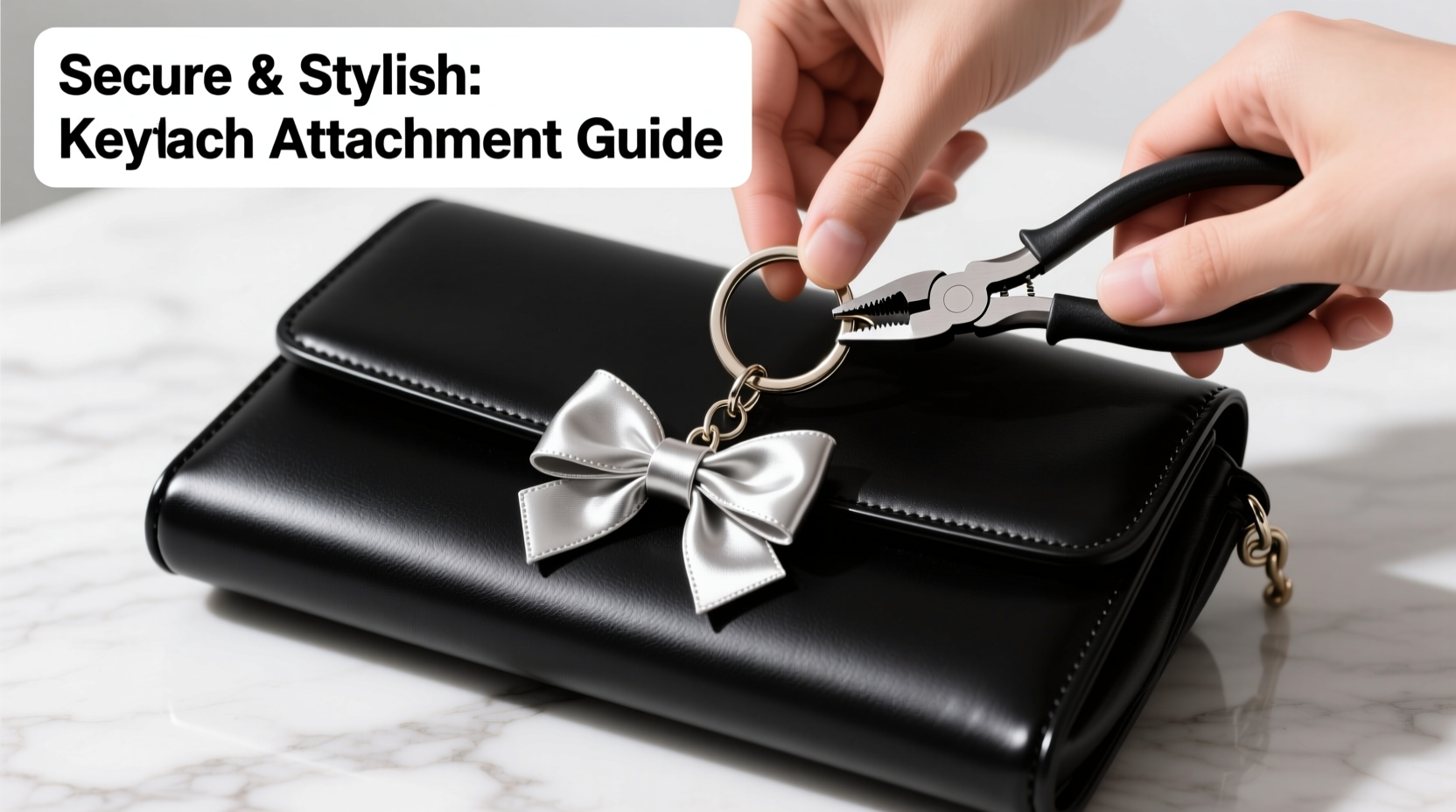
The foundation of a successful bowknot keychain lies in material choice. The wrong fabric or fastener can lead to fraying, slippage, or even loss of keys. Consider both function and fashion when making your selection.
- Ribbon or Cord: Satin and grosgrain ribbons offer elegance but vary in durability. Grosgrain holds knots better; satin slips more easily. For daily use, consider polyester or nylon cords—they resist moisture and abrasion.
- Keyring or Split Ring: Choose a sturdy metal ring (at least 1 inch in diameter) with a smooth closure. Avoid plastic rings, which can crack under stress.
- Fasteners: If not looping directly onto a purse strap, use a lobster clasp or spring hook for easy detachment and reattachment.
Choosing the Attachment Point on Your Purse
Not all purse straps are created equal. The strength and structure of the attachment site determine how well the bowknot stays in place. Ideal locations include:
- D-shaped metal rings commonly found on crossbody bags
- Top handles with reinforced stitching
- Dedicated charm loops or zipper pulls (if present)
Avoid attaching directly to thin leather straps or fabric trims that aren’t designed to bear extra weight. Over time, friction from movement can wear down weak points, leading to tearing.
“Always inspect stitching integrity before adding accessories. A single loose thread can compromise an entire strap.” — Lena Torres, Handbag Designer & Craftsmanship Consultant
Step-by-Step Guide to Attaching the Bowknot Keychain
Follow this detailed process to ensure your bowknot keychain remains secure, neat, and stylish.
- Cut the Ribbon or Cord: Measure and cut a length between 24–30 inches, depending on desired bow size. Longer lengths allow for fuller bows and tails.
- Attach the Keyring: Fold the ribbon in half and thread the looped end through your purse’s D-ring or handle. Pull the two loose ends through the loop and tighten gently into a lark’s head knot (also known as a cow hitch). This knot grips tightly and rotates smoothly.
- Secure the Ends: Before tying the bow, slide your keyring onto both tails of the ribbon. Position it about 2–3 inches from the ends so it doesn’t interfere with the knot formation.
- Tie the Bow: Create a standard bowknot—form one loop and wrap the other end around it twice before pulling through. Adjust tension so the bow sits upright and symmetrical.
- Reinforce the Knot: Apply a tiny drop of fabric-safe clear glue (like Aleene’s Fabric Fusion) at the knot’s center. Let dry completely. This prevents loosening from daily motion.
- Trim Excess (Optional): If desired, trim the ends at a diagonal or use flame-sealing for synthetic fibers to prevent fraying.
Do’s and Don’ts: Maintaining Longevity and Appearance
Even the most carefully attached bowknot can degrade without proper care. Use this reference table to avoid common pitfalls.
| Do’s | Don’ts |
|---|---|
| Inspect the knot weekly for signs of loosening | Wash the bow while it's still attached to the purse |
| Replace ribbons seasonally to refresh your look | Use excessive glue that stiffens the fabric |
| Rotate between multiple bowknots to reduce wear | Attach heavy multi-key sets that strain the ribbon |
| Store the purse flat or upright to prevent tangling | Allow pets or children to pull on the dangling ends |
Real-Life Example: How Sarah Personalized Her Daily Tote
Sarah, a marketing professional in Chicago, wanted her black leather tote to stand out during client meetings. She selected a navy grosgrain ribbon with silver-thread edging to match her brand colors. Using the lark’s head knot method, she attached a bowknot keychain to the top handle, threading a compact keyring through the tails before tying. She reinforced the knot with a dot of fabric glue and trimmed the ends at a 45-degree angle. After three months of daily use—including commutes and weekend errands—the bow remained intact and clean. “It’s become part of my professional identity,” she says. “Clients often compliment it, and I never worry about losing my keys.”
Checklist: Secure Bowknot Keychain Installation
Use this checklist before and after installation to ensure quality and safety.
- ☐ Choose a durable ribbon or cord suitable for frequent handling
- ☐ Confirm the purse attachment point is structurally sound
- ☐ Cut ribbon to appropriate length (24–30 inches)
- ☐ Use a lark’s head knot to anchor the ribbon to the purse
- ☐ Slide keyring onto tails before tying the bow
- ☐ Tie a balanced, centered bowknot
- ☐ Reinforce with a minimal amount of fabric-safe adhesive
- ☐ Trim ends neatly and seal synthetic fibers if needed
- ☐ Test security by gently tugging on keys and bow
- ☐ Schedule monthly inspections for wear and alignment
Frequently Asked Questions
Can I wash my purse with the bowknot still attached?
No. Always remove the bowknot keychain before cleaning your purse. Water and detergents can weaken glued areas and cause fabric dyes to bleed. Remove the ribbon, hand-wash it separately in cold water, and reattach once everything is fully dry.
What if my bowknot keeps coming undone?
If the bow slips frequently, check whether you're using a true bowknot (with two loops and a double wrap) rather than a simple overhand knot. Also, consider switching to a non-slip material like grosgrain instead of satin. Adding a micro-dot of fabric glue at the knot’s core will significantly improve retention.
Is it safe to attach a bowknot to a designer handbag?
Yes, as long as you use non-damaging methods. Avoid piercing any part of the bag. Instead, utilize existing hardware like D-rings or zipper pulls. Never use staples, adhesives, or rivets that could void warranties or damage craftsmanship.
Final Thoughts: Style Meets Functionality
A bowknot keychain transforms an ordinary purse into a personalized statement piece. More than mere decoration, it offers practical benefits: keeping keys within reach, reducing clutter inside the bag, and serving as a tactile identifier among similar-looking totes. When installed with care and maintained thoughtfully, this small addition enhances both utility and elegance. The key is balance—choosing materials that endure, using secure knots, and respecting the structural limits of your bag.




 浙公网安备
33010002000092号
浙公网安备
33010002000092号 浙B2-20120091-4
Comments
No comments yet. Why don't you start the discussion?