
Starting a YouTube channel can feel overwhelming. With over 2 billion logged-in monthly users, the platform offers massive opportunity—but only if you approach it strategically. Success doesn’t come from random uploads or hoping for viral fame. It comes from planning, consistency, and understanding both your audience and the platform’s mechanics. This guide walks through every essential phase of building a YouTube channel from zero, with actionable steps and real-world insights.
1. Define Your Niche and Target Audience
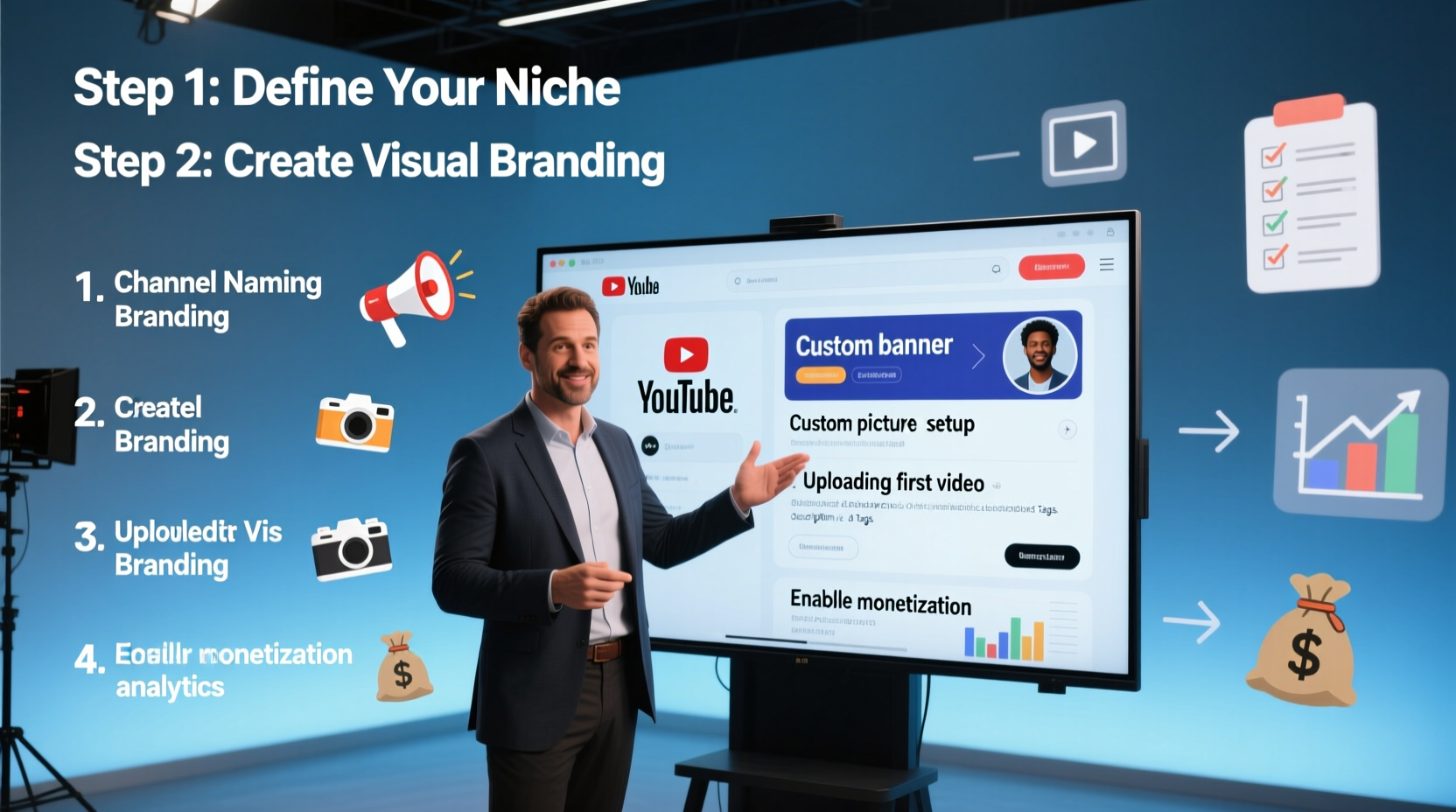
The foundation of any successful YouTube channel is clarity. Before touching a camera, answer two questions: What do you want to be known for? Who are you speaking to?
Choosing a niche helps you stand out in a crowded space. Broad categories like “lifestyle” or “entertainment” are difficult to dominate. Instead, narrow your focus: “budget travel for students,” “vegan meal prep under 30 minutes,” or “indie game reviews.” Specificity attracts dedicated viewers who return for more.
Once your niche is defined, create a viewer persona. Give them a name, age, job, goals, and pain points. For example: “Sarah, 24, works remotely, wants quick healthy recipes but lacks time.” This shapes your tone, content ideas, and even video length.
2. Set Up Your Channel Infrastructure
Your channel isn’t just videos—it’s a brand. Professional presentation builds trust from day one.
- Create a Google Account: If you don’t have one, start here. Your Gmail will link to YouTube.
- Name Your Channel: Keep it simple, memorable, and relevant. Avoid numbers or complex spellings unless they’re part of your personal brand.
- Design Brand Assets: Create a high-resolution profile picture (logo or clear headshot) and a banner that reflects your niche. Include a tagline or upload schedule if space allows.
- Write a Compelling Channel Description: Clearly state what your channel offers, who it’s for, and why viewers should subscribe. Include 2–3 primary keywords naturally (e.g., “beginner guitar lessons,” “easy home workouts”).
- Add Links: Use the featured links section to direct traffic to your website, social media, or Patreon.
“Your channel art and description are your digital storefront. First impressions determine whether someone hits ‘Subscribe’ or scrolls away.” — Mark Liu, YouTube Growth Strategist
3. Plan and Produce Your First Videos
Quality matters, but perfection doesn’t. The goal is to launch with clear, valuable content—not wait for flawless production.
Essential Equipment (Budget-Friendly Options)
| Item | Minimum Requirement | Budget Option | Upgrade Suggestion |
|---|---|---|---|
| Camera | Smartphone (1080p) | iPhone or Android flagship | Canon M50 / Sony ZV-1 |
| Audio | External mic | Boya BY-M1 Lavalier ($20) | Rode VideoMic Pro+ |
| Lighting | Natural light + reflector | Ring light ($30) | Elgato Key Light Air |
| Editing Software | Free editor | DaVinci Resolve | Adobe Premiere Pro |
Start with three foundational videos: an intro/about me video, a how-to guide on a common problem in your niche, and a list-based video (e.g., “5 Tools I Use Daily”). These formats perform well and help YouTube understand your content.
4. Optimize for Discovery and Retention
YouTube is the second-largest search engine. To get found, you must speak its language: SEO.
- Titles: Use clear, keyword-rich phrases. Example: “How to Start a Vegetable Garden in Small Spaces (Step-by-Step).” Avoid clickbait—misleading titles hurt retention and ranking.
- Thumbnails: Design high-contrast images with readable text (under 5 words), expressive faces, and brand-consistent colors. Use Canva or Photoshop.
- Descriptions: Write at least 200 words. Include your main keyword in the first two sentences, add timestamps, and link to related videos or resources.
- Tags: Use a mix of broad and specific tags (e.g., “gardening tips,” “urban gardening for beginners”).
- Cards & End Screens: Add internal links to keep viewers watching. Even early videos should guide to another piece of content.
Retention is equally important. YouTube prioritizes videos that keep people watching. Hook viewers in the first 10 seconds. State the value upfront: “In this video, you’ll learn how to grow tomatoes on a balcony—with no prior experience.”
Mini Case Study: From Zero to 10K Subscribers
Jamal started a channel called “Urban Sketch,” focused on beginner-friendly architectural drawing. His first five videos gained fewer than 100 views each. He refined his thumbnails, added chapter markers, and created a series titled “30-Day Drawing Challenge.” By promoting it in Reddit communities and using consistent branding, his sixth video hit 50K views. Within six months, he reached 10,000 subscribers and launched a paid sketching course. His key insight: “One strong series did more than ten random videos.”
5. Build a Sustainable Content System
Growth comes from consistency, not frequency. A predictable upload schedule—like every Tuesday at 6 PM—builds audience expectation.
Content Planning Checklist
- Brainstorm 20 video ideas based on audience pain points
- Group into themed playlists (e.g., “Beginner Guitar Series”)
- Schedule uploads 2 weeks in advance
- Batch-record and edit multiple videos in one session
- Repurpose scripts into blog posts or social clips
Engage with comments on your first few videos. Respond thoughtfully—it signals to YouTube that your content sparks conversation. Encourage feedback: “What topic should I cover next?” This fuels future ideas and strengthens community.
FAQ
How long does it take to grow a YouTube channel?
There’s no fixed timeline. Some channels gain traction in 3 months; others take over a year. Factors include niche competitiveness, content quality, and consistency. Focus on progress, not speed.
Do I need expensive gear to start?
No. Most top creators began with smartphones and basic lighting. Invest as you grow. Prioritize audio quality—poor sound drives viewers away faster than low-resolution video.
Can I monetize without 1,000 subscribers?
Not through YouTube’s Partner Program, which requires 1,000 subscribers and 4,000 watch hours. But you can earn earlier via affiliate marketing, digital products, or sponsorships if you build influence.
Conclusion
Building a successful YouTube channel from scratch is a marathon, not a sprint. It begins with a clear idea, grows through disciplined execution, and thrives on authentic connection. You don’t need millions of views to make an impact. You need one helpful video that changes someone’s day. Then another. And another. Start small, stay consistent, and let momentum carry you forward.




 浙公网安备
33010002000092号
浙公网安备
33010002000092号 浙B2-20120091-4
Comments
No comments yet. Why don't you start the discussion?