
Opening a clothing store is more than just displaying attractive garments—it’s about building a brand, understanding your market, and creating an experience that keeps customers coming back. For first-time entrepreneurs, the process can seem overwhelming. But with careful planning and execution, launching a profitable clothing store is entirely achievable. This guide walks through every essential stage, from idea validation to opening day and beyond, offering actionable advice tailored for beginners.
1. Define Your Niche and Target Audience
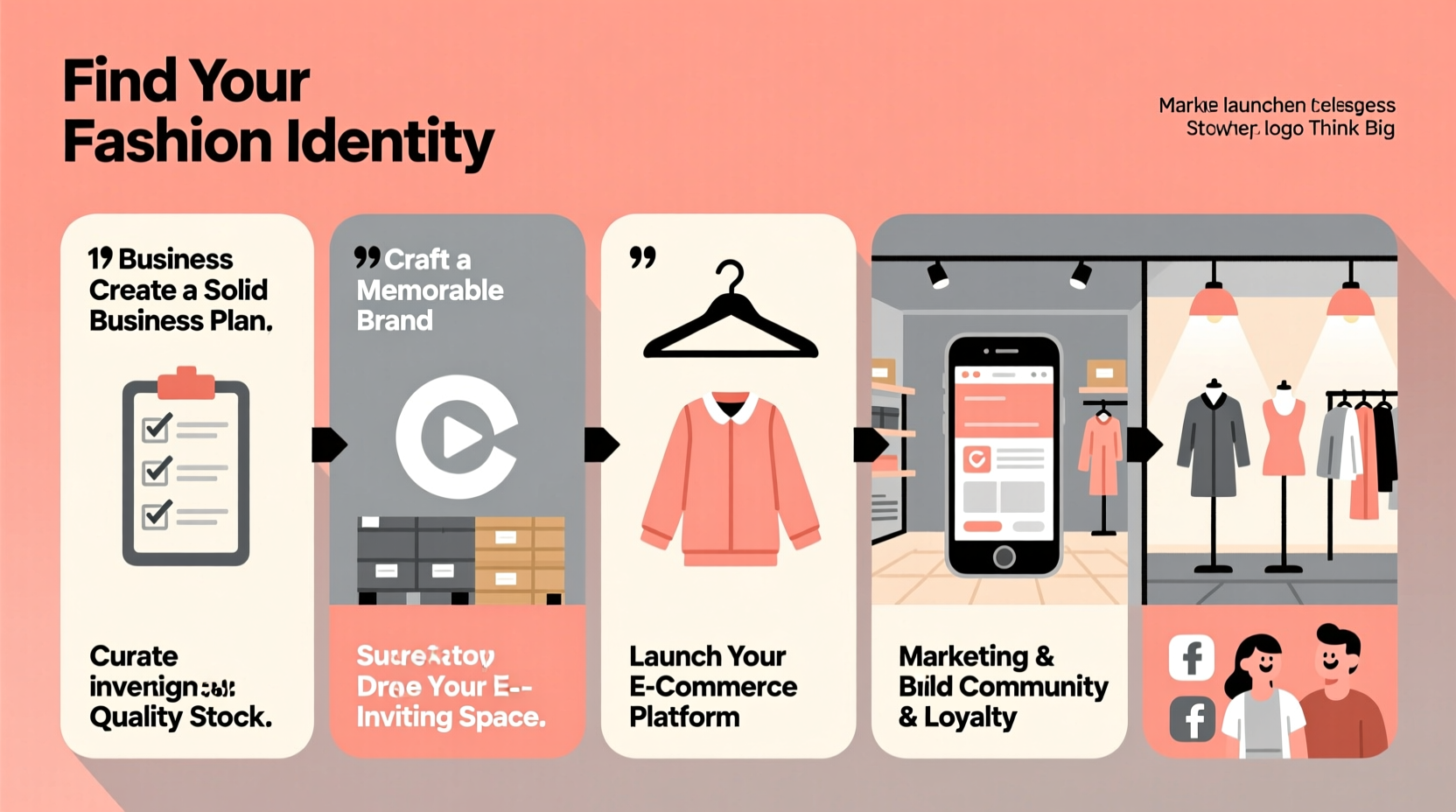
The foundation of any successful clothing store is a clear identity. Jumping into retail without knowing who you're serving leads to generic offerings and weak sales. Start by asking: Who am I designing for? What problems do they have when shopping for clothes? Are they looking for affordability, sustainability, size inclusivity, or trend-driven styles?
Successful stores focus on a specific niche. For example, instead of selling “women’s apparel,” consider specializing in “size-inclusive workwear for professionals aged 28–45” or “eco-friendly streetwear for teens.” A narrow focus helps you stand out in a crowded market and makes marketing far more effective.
Key Questions to Answer Before Proceeding:
- What values does my ideal customer prioritize (e.g., sustainability, comfort, luxury)?
- Where do they currently shop, and what do they dislike about those experiences?
- What price range fits their budget?
- Are there underserved demographics in my local area or online space?
2. Create a Realistic Business Plan
A solid business plan acts as your roadmap. It forces you to think critically about finances, operations, and long-term goals. While it doesn’t need to be 50 pages long, it should cover key areas concisely.
| Section | Purpose | Key Components |
|---|---|---|
| Executive Summary | Overview of your business vision | Name, mission, location, product type, goals |
| Market Analysis | Demonstrate industry understanding | Target audience, competitors, trends |
| Operations Plan | How the store will run daily | Suppliers, staffing, inventory management |
| Financial Projections | Show viability and funding needs | Startup costs, pricing strategy, break-even analysis |
| Marketing Strategy | How you’ll attract customers | Social media, PR, partnerships, promotions |
“Many new retailers fail because they underestimate operating costs. Always budget for six months of runway before profitability.” — Marcus Lin, Small Business Advisor & Retail Consultant
3. Choose Between Online, Physical, or Hybrid Storefront
Your choice of platform significantly impacts startup costs, logistics, and customer reach. Each model has pros and cons.
Online Store: Lower overhead, global reach, but requires strong digital marketing and fulfillment systems.
Brick-and-Mortar: Higher visibility and tactile experience, but comes with rent, utilities, and staffing expenses.
Hybrid Model: Combines both—ideal for long-term growth but demands more resources upfront.
Timeline: Launching Your Store in 6 Months
- Month 1: Finalize niche, conduct market research, write business plan
- Month 2: Register business, secure EIN, open business bank account
- Month 3: Source suppliers, order initial inventory, design branding
- Month 4: Build website or prepare retail space, set up POS system
- Month 5: Launch pre-marketing campaign (email list, social media)
- Month 6: Open officially, collect feedback, optimize operations
4. Source Inventory Strategically
Inventory is your largest investment. Buying too much ties up capital; buying too little risks stockouts and lost sales. Begin with a curated collection that reflects your brand identity.
Explore multiple sourcing options:
- Wholesale Suppliers: Buy in bulk at discounted rates (e.g., Los Angeles Fashion District, Faire, Tundra)
- Private Label Manufacturing: Customize designs with your label (use platforms like Alibaba or local seamstresses)
- Dropshipping: Low risk, but less control over quality and shipping times
- Deadstock Fabric Vendors: Ideal for sustainable brands using leftover materials
Negotiate MOQs (Minimum Order Quantities) aggressively as a new buyer. Many suppliers offer trial runs for small businesses.
Mini Case Study: “Thread Theory” – From Etsy to Main Street
Jamie Rivera started selling handmade linen blouses on Etsy in 2020, targeting eco-conscious women in their 30s. She used customer feedback to refine fits and introduced matching pants based on demand. After 18 months of consistent online sales and local pop-ups, she opened a 600-square-foot boutique in Portland. By focusing on a loyal niche and reinvesting profits wisely, her revenue grew 300% in year three. Her secret? Starting small, listening closely, and scaling only when cash flow allowed.
5. Build a Strong Brand Identity
Customers don’t just buy clothes—they buy stories, values, and identities. Your brand must communicate who you are at every touchpoint: packaging, signage, social media, staff uniforms, even music played in-store.
Develop these core elements early:
- A memorable name and logo
- A consistent color palette and typography
- A compelling brand voice (e.g., empowering, playful, minimalist)
- Clear messaging around your mission (e.g., “Clothing for real bodies, not filters”)
Invest in professional photography—even if you're launching online. Poor product images destroy credibility instantly.
Checklist: Pre-Launch Essentials
- ✅ Business registered and licensed
- ✅ EIN obtained and business bank account opened
- ✅ Initial inventory purchased and cataloged
- ✅ Website live or store layout finalized
- ✅ Point-of-sale (POS) system installed and tested
- ✅ Social media profiles created and branded
- ✅ Marketing plan in place (launch promo, influencer outreach)
- ✅ Return policy and customer service guidelines drafted
Frequently Asked Questions
How much money do I need to start a clothing store?
It varies widely. An online-only store can launch for $2,000–$5,000 (website, initial inventory, branding). A physical store typically requires $10,000–$50,000+, depending on location, size, and build-out needs. Always include a buffer for unexpected costs.
Should I sell under my own label or carry other brands?
Carrying established brands reduces design and production risk but offers lower margins. Creating your own line gives full creative control and higher profit potential but requires more expertise and investment. Many beginners start with a mix—curating third-party brands while developing their signature pieces.
How do I handle returns and exchanges efficiently?
Create a clear, fair policy posted prominently online and in-store. Limit return windows (e.g., 14–30 days), require tags to be attached, and inspect items before restocking. Use numbered receipts or QR codes to track returns and prevent fraud.
Conclusion
Launching a clothing store isn’t just about fashion—it’s about solving real problems for real people. Success comes from clarity, consistency, and customer focus. Whether you’re opening a storefront downtown or launching an e-commerce site from home, the principles remain the same: know your audience, plan meticulously, source wisely, and build a brand worth trusting.




 浙公网安备
33010002000092号
浙公网安备
33010002000092号 浙B2-20120091-4
Comments
No comments yet. Why don't you start the discussion?