
Facebook remains one of the most powerful platforms for small and medium-sized businesses to reach new customers, build brand awareness, and drive sales. With over 2.9 billion monthly active users, it offers unmatched access to diverse audiences. However, simply creating a page isn’t enough. To achieve real growth, you need a strategic approach—from setup to engagement to scaling. This guide walks through every essential step to launch and grow your business presence on Facebook effectively.
1. Create and Optimize Your Business Page
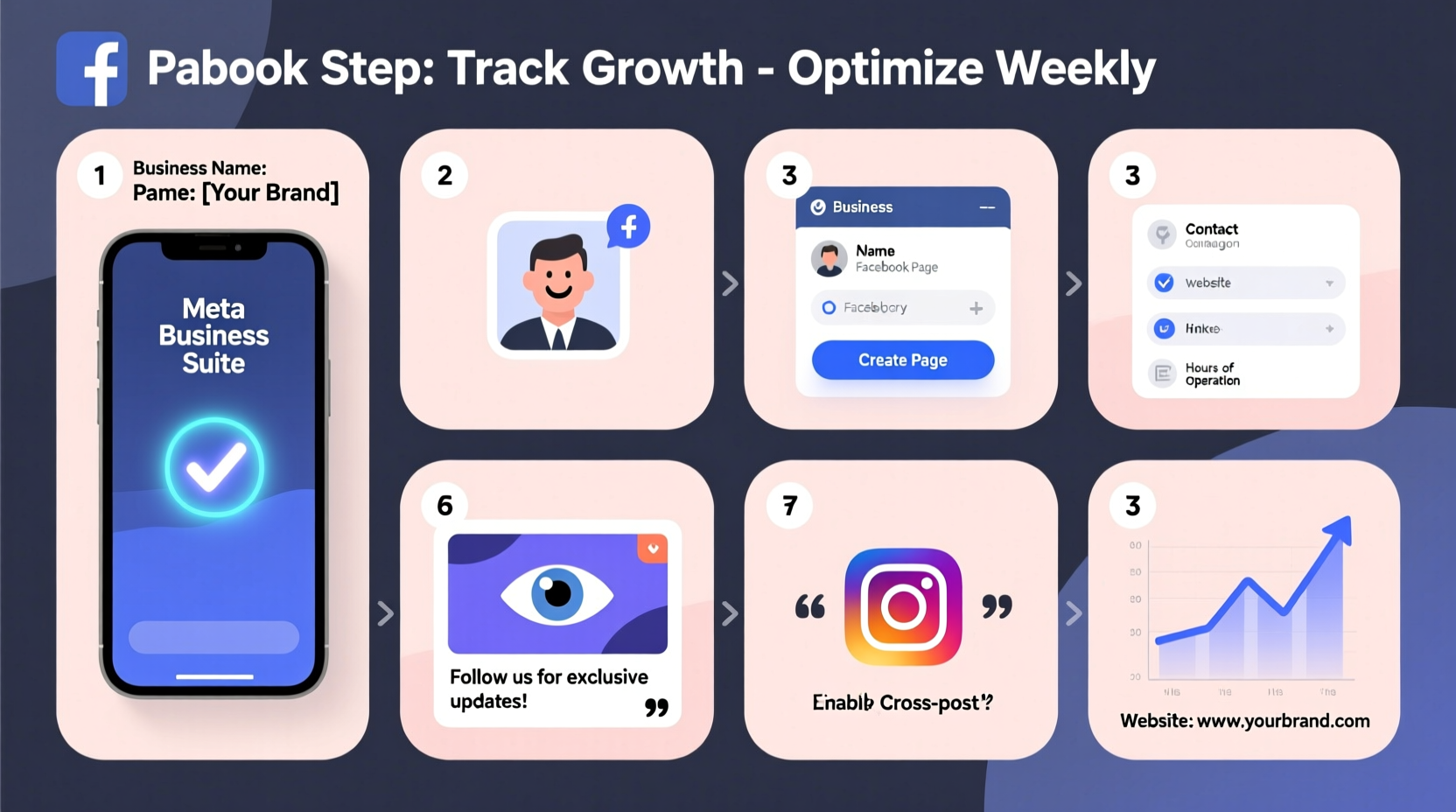
The foundation of your Facebook presence is a professionally optimized Business Page. Unlike personal profiles, Business Pages allow for analytics, advertising integration, and customer interaction at scale.
- Choose the right category: When creating your page, select the most accurate business category (e.g., Local Business, Brand, Public Figure). This affects visibility in searches and recommendations.
- Use high-quality visuals: Upload a clear profile picture—ideally your logo—and a cover image that reflects your brand’s identity or current campaign.
- Complete all details: Fill out every section: contact information, website URL, hours of operation, address (if applicable), and a concise yet compelling “About” section.
- Customize your username and URL: Create a clean, memorable username (e.g., @YourBrandName) so people can find you easily.
2. Develop a Content Strategy That Converts
Content is what keeps people engaged and coming back. A haphazard posting schedule or inconsistent messaging will limit your reach and credibility.
Start by defining your core content pillars—3 to 5 themes that align with your brand and audience interests. For example, a fitness studio might focus on workout tips, client transformations, nutrition advice, community events, and behind-the-scenes moments.
- Post consistently: Aim for 3–5 times per week, varying formats between images, videos, stories, and text updates.
- Prioritize value-driven content: Educate, entertain, or inspire rather than just promote.
- Leverage native video: Facebook rewards pages that post video directly (not shared from elsewhere).
- Engage with comments: Respond to questions and feedback within 24 hours to boost algorithmic favor.
| Content Type | Best For | Posting Frequency |
|---|---|---|
| Educational Posts | Building trust and authority | 2x/week |
| Promotional Offers | Driving sales and conversions | 1x/week |
| User-Generated Content | Community building | 1–2x/week |
| Live Videos | Real-time engagement | Biweekly |
3. Grow Your Audience Organically and Strategically
Organic reach on Facebook has declined over the years, but it's still possible to grow without paid ads—if you play by the platform’s rules.
The key is fostering meaningful interactions. The Facebook algorithm prioritizes content that generates comments, shares, and reactions, especially from friends and followers.
“Pages that spark conversations see up to 3x more organic reach than those focused solely on broadcasting.” — Sarah Lin, Social Media Strategist at Amplify Digital
To encourage engagement:
- Ask open-ended questions in captions (“What’s your biggest challenge with time management?”)
- Run polls in Stories or posts
- Tag followers in relevant posts (with permission)
- Collaborate with complementary local businesses for shoutouts
4. Launch Targeted Ads to Accelerate Growth
Once your page is established and posting consistently, it’s time to invest in Facebook Ads. Even a modest budget ($5–$10/day) can yield strong results when targeted correctly.
Use Facebook Ads Manager to define your audience based on demographics, interests, behaviors, and location. Start with a clear objective: increasing page likes, driving traffic to your website, generating leads, or boosting product sales.
Mini Case Study: Bloom & Vine Florists
Bloom & Vine, a local flower shop in Portland, struggled to attract new customers beyond word-of-mouth. They created a Facebook Page with high-resolution photos of arrangements, posted weekly care tips, and shared customer testimonials. Then, they launched a $7/day ad campaign targeting women aged 28–55 within 10 miles who had shown interest in gardening, weddings, or gift shopping. Within six weeks, their page grew from 400 to over 2,300 followers, and online order inquiries increased by 60%.
Their success came from combining authentic content with precise targeting—proving that small budgets can deliver big returns.
5. Monitor Performance and Optimize Continuously
Growth doesn’t stop once your page is live. Sustained success requires regular analysis and adaptation.
Use Facebook’s built-in Page Insights tool to track key metrics:
- Reach and impressions
- Engagement rate (likes, comments, shares)
- Follower growth trends
- Top-performing content
- Click-through rates on links
Review this data weekly. Double down on content types that perform well and refine or eliminate underperforming ones. Test different headlines, visuals, and posting times to uncover patterns.
Checklist: Setting Up Your Business on Facebook
- ✅ Choose the correct business category
- ✅ Upload professional profile and cover photos
- ✅ Complete all business information (contact, website, hours)
- ✅ Set up a custom username and vanity URL
- ✅ Publish 5–7 pieces of starter content before promoting
- ✅ Enable messaging and set up automated replies
- ✅ Define 3–5 content pillars for consistent posting
- ✅ Schedule first month of content using Creator Studio or third-party tools
- ✅ Install Facebook Pixel on your website for tracking
- ✅ Launch a small-scale ad campaign to test audience response
Frequently Asked Questions
Can I run a business entirely through Facebook?
Yes, especially if you use Facebook Shops to list products, integrate Messenger for customer service, and leverage Groups to build community. Many solopreneurs and e-commerce brands operate successfully using Facebook as their primary digital storefront.
Do I need to post every day to succeed?
No. Quality outweighs quantity. Posting 3–4 highly engaging, valuable posts per week is more effective than daily generic updates. Focus on consistency and relevance, not frequency alone.
How long does it take to see results?
Most businesses begin seeing measurable traction—increased followers, engagement, or inquiries—within 4 to 8 weeks of consistent effort. Paid ads can accelerate this timeline significantly.
Final Steps to Sustainable Growth
Setting up your business on Facebook is not a one-time task—it’s the beginning of an ongoing relationship with your audience. The most successful pages treat Facebook as a dynamic channel for connection, not just promotion. By optimizing your profile, delivering value through content, engaging authentically, and using data to guide decisions, you position your brand for long-term visibility and trust.
Don’t wait for perfection to start. Launch with what you have, learn quickly, and iterate. Every comment, share, and message is a signal that your business is resonating. Keep refining, stay consistent, and let your audience guide your next move.




 浙公网安备
33010002000092号
浙公网安备
33010002000092号 浙B2-20120091-4
Comments
No comments yet. Why don't you start the discussion?